
Downtown Seattle Neighborhood Guide: Things to Do, Restaurants & Parks
When I first moved to Seattle back in 2018, everyone told me to avoid downtown. “It’s just for tourists,” they’d say dismissively. But after working in the neighborhood for years, I discovered something locals often miss: Downtown Seattle is where the city’s soul truly beats.
This compact urban core, hemmed in by Elliott Bay to the west and hills to the east, contains more authentic Seattle experiences than most visitors—and even many residents—realize. I’ve spent countless hours exploring every corner of downtown, from hidden wine bars tucked away on quiet streets to the bustling Pike Place Market at dawn.
What makes this area special isn’t just the iconic attractions everyone knows about, but the layers of history, culture, and neighborhood character that reveal themselves when you know where to look. Whether you’re here for a quick stopover or an extended stay, I’ll show you how to experience downtown Seattle like someone who actually lives here.
If you’re interested in seeing and knowing more of the city, make sure to bookmark my full guide to Seattle.
Downtown Seattle Overview & Getting There
Downtown Seattle occupies a geographically compact area bounded by Denny Way to the north, Interstate 5 to the east, S Dearborn Street to the south, and Elliott Bay to the west. This tight footprint makes it one of the most walkable downtown areas on the West Coast—I regularly cover the entire length on foot, about two miles from Belltown to Pioneer Square.
The neighborhood encompasses several distinct areas, each with its own personality: Belltown’s nightlife scene, the Denny Triangle’s tech offices, the retail corridor along Pike and Pine, the historic Pioneer Square district, and the International District’s diverse cultural offerings. What locals call “downtown” stretches wider than the official definition, bleeding into neighboring areas that feel inseparably connected.

Getting Here
- Light Rail: The most efficient way to reach downtown from Sea-Tac Airport is the 1 Line light rail, which stops at University Street, Westlake, and Pioneer Square stations. The ride takes about 40 minutes and costs around $3. I always recommend this over expensive airport shuttles.
- Driving & Parking: If you’re driving, prepare for parking challenges. Garage rates typically run $3-5 per hour, with daily maximums of $25-35. The Pike Place Market garage offers relatively reasonable rates, though it fills quickly on weekends. I’ve learned to use the SpotHero app to pre-book parking and save significantly.
- Walking: Downtown is incredibly walkable, though the hills can surprise visitors. The terrain slopes from Capitol Hill down to the waterfront, meaning what feels like a flat walk along 1st Avenue becomes a challenging climb if you’re heading east on Pike Street.
- Best Times to Visit: I recommend visiting weekday mornings (7-10 AM) for the most authentic local experience. Summer weekends bring massive crowds, especially to Pike Place Market. Winter months (November-February) offer quieter exploration, though you’ll contend with Seattle’s legendary drizzle.
Top 15 Things to Do in Downtown Seattle Neighborhood
1. Pike Place Market
- Address: 85 Pike Street, Seattle, WA 98101
- Hours: Monday-Sunday, 9 AM – 6 PM (vendor hours vary)
- Cost: Free admission
I cannot count how many times I’ve been to Pike Place Market—it’s woven into my Seattle existence. Yes, it’s touristy, but it’s also legitimately where locals shop for fresh flowers, produce, and artisan goods. The key is knowing when and how to visit.
I arrive before 9 AM, when most stalls are still setting up. The famous fish-throwing starts around 10 AM, but by getting there early, I can photograph the iconic Public Market sign without crowds, explore the lower levels most tourists miss, and chat with vendors before they’re swamped.
The market’s history fascinates me—it opened in 1907 as a way for farmers to sell directly to consumers, bypassing middlemen. Walking through the brass-topped tables where vendors have stood for over a century connects you to Seattle’s working-class roots.
Skip the flowers (they’re beautiful but don’t last) and the long lines at Beecher’s Cheese (you can buy it at the airport). Instead, head to DeLaurenti for Italian imports, Three Girls Bakery for sandwiches that haven’t changed in 80 years, and the secret garden on the southwest corner where I often sit and watch ferries cross Elliott Bay.
2. Seattle Art Museum (SAM)
- Address: 1300 1st Avenue, Seattle, WA 98101
- Hours: Wednesday-Sunday, 10 AM – 5 PM
- Cost: $24.99 adults, $19.99 seniors/students, free for children 14 and under
The Seattle Art Museum surprised me when I first visited—I expected another generic city museum, but SAM’s collection genuinely impresses. The building itself, designed by Robert Venturi with its distinctive limestone facade, makes a statement before you even enter.
I’m drawn to the Northwest Native American art collection, which provides essential context for understanding this region. The museum regularly rotates contemporary installations that challenge and provoke. I’ve seen everything from Andy Warhol to local artists I’d never heard of but now follow religiously.
Pro tip: Visit on the first Thursday of each month for free admission from 5-8 PM. I do this often, combining it with dinner at a nearby restaurant to make an evening of it.
3. Olympic Sculpture Park
- Address: 2901 Western Avenue, Seattle, WA 98121
- Hours: Daily, dawn to dusk
- Cost: Free
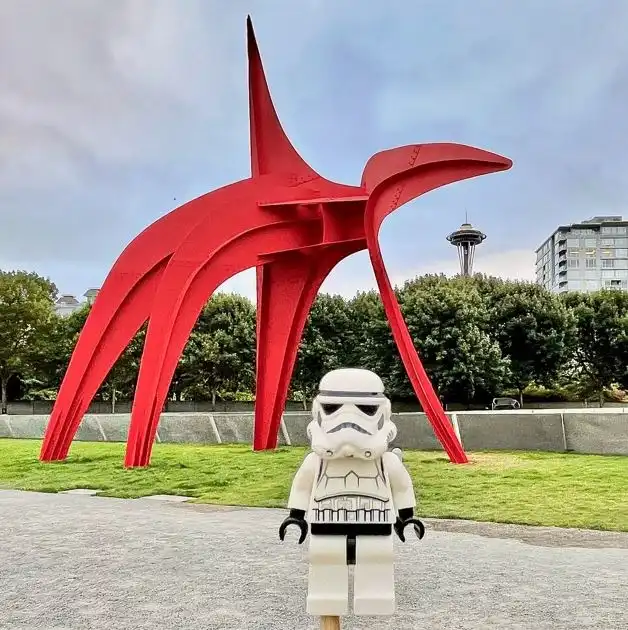
This nine-acre waterfront park represents one of my favorite Seattle success stories—industrial wasteland transformed into gorgeous public space. Operated by SAM, it’s where massive sculptures dot manicured landscapes overlooking Puget Sound and the Olympic Mountains.
I walk through here regularly, using it as my route between downtown and Belltown. Alexander Calder’s bright red “Eagle” dominates the upper meadow, while Louise Bourgeois’s “Father and Son” fountain sits near the water. The Z-shaped path descends from the city to the shoreline, crossing a green bridge over railroad tracks that still service the waterfront.
The Elliott Bay Trail runs along the park’s edge—I’ve walked this 3-mile paved path countless times, watching ferries, kayakers, and occasionally seals. It’s particularly magical at sunset when the Olympics turn pink and gold.
4. Seattle Central Library
- Address: 1000 4th Avenue, Seattle, WA 98104
- Hours: Monday, Wednesday-Saturday 10 AM – 6 PM; Tuesday 10 AM – 8 PM; Sunday 12 PM – 6 PM
- Cost: Free
Rem Koolhaas’s glass and steel library is architecture as art—angular, provocative, and utterly unique. When it opened in 2004, it instantly became an icon. I remember the first time I walked in and just stood there, mouth agape, staring up at the spiraling “Books Spiral” that winds through four floors.
The tenth-floor reading room offers sweeping city views—I’ve spent many rainy afternoons there with a book, watching clouds drift over Elliott Bay. The building houses over 1.5 million items across 11 stories, but what makes it special is how it reimagined what a library could be: community center, architectural wonder, and sanctuary all at once.
Don’t miss the third-floor mixing chamber with its bright red escalators, or the fifth-floor Dewey decimal “spiral” where you can browse the entire non-fiction collection without ever encountering stairs.
5. Smith Tower
- Address: 506 2nd Avenue, Seattle, WA 98104
- Hours: Varies by season; typically daily 10 AM – 5 PM
- Cost: Observatory admission $25 adults
This 1914 beauty was once the tallest building west of the Mississippi River, and I have a soft spot for its old-world elegance. While tourists flock to the Space Needle, I prefer Smith Tower’s Observatory Bar on the 35th floor, where cocktails come with equally impressive views at half the hassle.
The Chinese Room, with its elaborately carved ceiling and wishing chair, tells stories of Seattle’s early 20th-century connections to Asia. I’ve brought out-of-town friends here repeatedly—they’re always charmed by the brass-gated manually-operated elevators and Art Deco details that modern buildings can’t replicate.
The observatory deck is open-air, meaning you feel the wind and hear the city in ways you don’t in enclosed observation towers. On clear days, Mount Rainier looms impossibly large to the south.
6. Pioneer Square Historic District
- Address: Roughly bounded by Alaskan Way, S King Street, 5th Avenue S, and Cherry Street
- Hours: Always accessible; business hours vary
- Cost: Free to explore
Seattle’s oldest neighborhood still has cobblestone streets and gas-lit lamps, though I’ll be honest—it’s seen better days. The area’s homeless population has grown significantly, which creates challenges. But dismissing Pioneer Square entirely means missing Seattle’s birthplace and its ongoing revitalization.
I love the architecture here: red brick Romanesque Revival buildings that survived the 1889 Great Seattle Fire. The area’s art galleries (First Thursday Art Walk brings them alive), craft cocktail bars, and restaurants like Salumi represent its renaissance.
The “secret” about Pioneer Square is that the current street level isn’t the original—the city rebuilt one story higher after the fire. Underground Tours take you beneath the streets to explore the original storefronts, though I find the history more interesting than the tour itself.
7. Waterfront & Great Wheel
- Address: 1301 Alaskan Way, Seattle, WA 98101
- Hours: Varies seasonally
- Cost: Great Wheel $16-18 per person
Seattle’s waterfront underwent massive reconstruction recently, and I’ve watched it transform from a dingy, traffic-choked strip into a pleasant pedestrian promenade. The removal of the Alaskan Way Viaduct opened up views and created space for people rather than cars.
The Seattle Great Wheel, a 175-foot Ferris wheel, dominates Pier 57. I’ll confess I initially dismissed it as touristy, but after riding it at sunset, I understood the appeal. The enclosed gondolas provide shelter from wind, and the views of Elliott Bay, the Olympic Mountains, and the city skyline are genuinely special.
Walk north along the waterfront to Pier 66, where the Olympic Sculpture Park begins, or south toward the Seattle Aquarium and ferry terminals. I often grab fish and chips from Ivar’s and eat on the pier, watching seagulls and ferries.
8. Seattle Aquarium
- Address: 1483 Alaskan Way, Seattle, WA 98101
- Hours: Daily 9:30 AM – 6 PM
- Cost: $39.99 adults, $29.99 youth (4-12), $34.99 seniors
Situated on Pier 59, the Seattle Aquarium overlooks Elliott Bay—appropriate for an institution dedicated to Puget Sound’s marine ecosystems. I’ve been several times with visiting family members and always appreciate how it focuses on local species rather than trying to replicate tropical reefs.
The Window on Washington Waters exhibit features a 120,000-gallon tank simulating Puget Sound, complete with salmon, rockfish, and even a giant Pacific octopus. Touch pools let you interact with sea anemones and sea stars. The harbor seal exhibit, viewable both above and below water, entertains for hours.
Recent expansions added the Ocean Pavilion, which opened in 2024 and doubled the aquarium’s size. I recommend visiting on weekday mornings to avoid crowds.
9. Benaroya Hall
- Address: 200 University Street, Seattle, WA 98101
- Hours: Box office open Monday-Saturday 10 AM – 6 PM
- Cost: Concert tickets vary
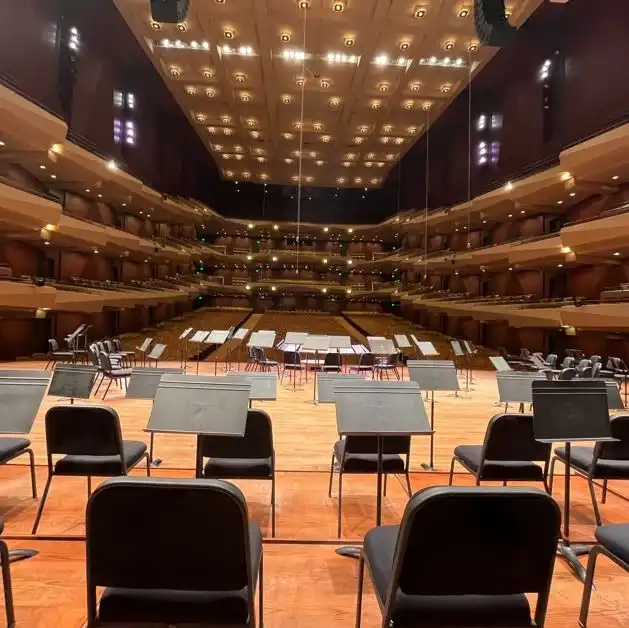
Home to the Seattle Symphony, Benaroya Hall represents Seattle’s commitment to arts and culture. The building, opened in 1998, contains two performance halls: the 2,500-seat S. Mark Taper Foundation Auditorium and the intimate Illsley Ball Nordstrom Recital Hall.
I’ve attended numerous concerts here, from classical symphonies to contemporary performances. The acoustics in Taper Hall are exceptional—you can sit in the uppermost balcony and still hear every instrument clearly. The Grand Lobby’s Dale Chihuly chandelier sculpture is worth seeing even if you’re not attending a performance.
Free lunch-hour concerts occasionally happen in the lobby. Check the website before visiting downtown—these quick 30-minute performances provide a cultural boost without major time commitment.
10. Westlake Center & Monorail
- Address: 400 Pine Street, Seattle, WA 98101
- Hours: Mall hours vary; Monorail runs Monday-Thursday 7:30 AM – 9 PM, Friday-Sunday 8:30 AM – 11 PM
- Cost: Monorail $3 adults, $1.50 youth/seniors
Westlake Center anchors downtown’s retail district, serving as both a shopping mall and a transit hub. The outdoor plaza hosts events, protests, and street performers—I’ve seen everything from political rallies to break dancing competitions here.
What makes Westlake special is the Seattle Center Monorail terminus. Built for the 1962 World’s Fair, this elevated train still runs between downtown and Seattle Center, covering one mile in two minutes. Is it practical transportation? Barely. Is it a fun, retro experience? Absolutely.
I ride it occasionally just for nostalgia, remembering when I first moved here and thought taking the monorail made me a real Seattleite. The vintage trains, with their swooping mid-century design, represent Seattle’s optimistic space-age past.
11. Columbia Center Sky View Observatory
- Address: 701 5th Avenue, Seattle, WA 98104
- Hours: Daily 11 AM – 6 PM
- Cost: $20 adults, $17 seniors, $14 youth
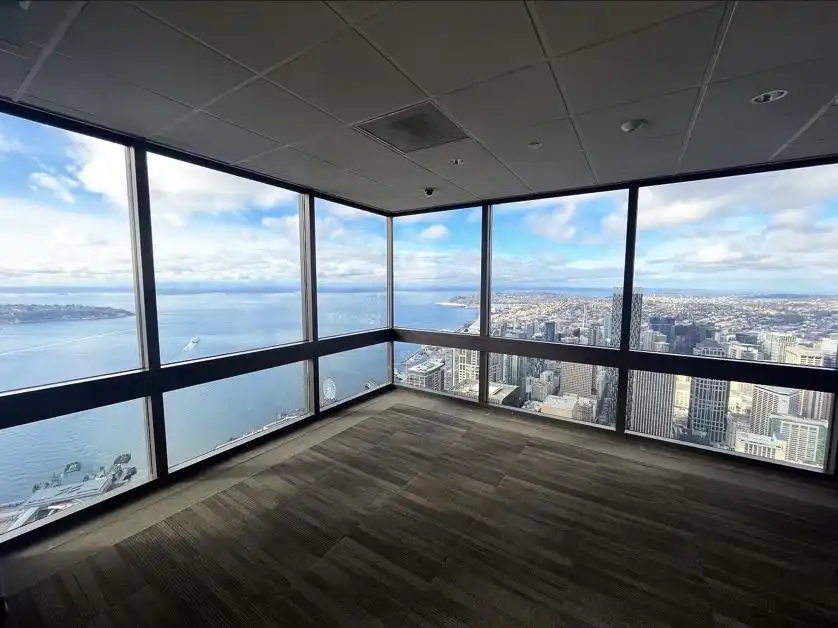
Most tourists head to the Space Needle for views, but locals know Columbia Center offers superior perspectives. At 76 stories, it’s the tallest building in Seattle and the Pacific Northwest. The 73rd-floor observatory provides 360-degree views without the Space Needle’s crowds and inflated prices.
I bring visiting friends here instead of the Space Needle because you can actually see the Space Needle in the skyline—plus Mount Rainier, Elliott Bay, the Cascade Range, and on clear days, Mount Baker far to the north. The views speak for themselves, and I appreciate saving $20 per person.
Go on a clear day (Seattle has about 60 annually). Morning light works best for photographing Mount Rainier, while sunset transforms the city into glowing gold.
12. Freeway Park
- Address: 700 Seneca Street, Seattle, WA 98101
- Hours: 6 AM – 10 PM daily
- Cost: Free
This five-acre park, built atop Interstate 5, represents an ambitious 1970s urban planning experiment. Concrete waterfalls mask highway noise below, creating an unexpected oasis in the middle of downtown. Lawrence Halprin’s brutalist design divides opinion—some find it dystopian, I find it fascinating.
I walk through here regularly on my way between downtown and Capitol Hill. The park connects to the Washington State Convention Center’s terraced gardens, creating a green corridor above the urban infrastructure. It’s not always well-maintained, and safety can be a concern after dark, but during daylight hours, it provides a unique perspective on Seattle’s layered geography.
The waterfalls create white noise that drowns out traffic—close your eyes and you’d never know you’re standing above a freeway. That’s exactly what Halprin intended.
13. International District
- Address: Roughly bounded by I-5, S Dearborn Street, 5th Avenue S, and Yesler Way
- Hours: Business hours vary
- Cost: Free to explore
Seattle’s International District—encompassing historic Chinatown, Japantown, and Little Saigon—pulses with life that feels worlds away from downtown’s corporate towers just blocks north. I come here specifically for dim sum, Vietnamese pho, and Japanese groceries at Uwajimaya.
Wing Luke Museum (719 S King Street) documents Asian Pacific American experiences through powerful exhibits. The museum occupies a beautifully restored historic hotel and tells stories often overlooked in mainstream Seattle histories. Admission costs around $19.99 adults.
Hing Hay Park, with its ornate Chinese pavilion gifted by Taipei, serves as the neighborhood’s gathering place. During Lunar New Year, dragon dances and celebrations fill these streets with color and energy. I love exploring the herbal medicine shops, tea stores, and bakeries that have operated here for decades.
14. Paramount Theatre
- Address: 911 Pine Street, Seattle, WA 98101
- Hours: Box office and show times vary
- Cost: Varies by performance
This 1928 movie palace, restored to its full Art Deco glory, now hosts Broadway touring shows, concerts, and comedy acts. Walking into the Paramount feels like time travel—the ornate details, massive chandelier, and classic marquee preserve an era when movie palaces were palaces.
I’m a member here and have seen numerous shows, from Hamilton to local comedy acts. The venue’s 2,800 seats mean you’re never too far from the stage, and the acoustics rival modern performance halls despite the building’s age.
Check the calendar when planning your downtown visit—if a show aligns with your stay, experiencing a performance in this historic venue adds significant value to your Seattle experience.
15. Belltown Neighborhood
- Address: Roughly bounded by Denny Way, Virginia Street, 1st Avenue, and Interstate 5
- Hours: Always accessible; business hours vary
- Cost: Free to explore
Technically distinct from “downtown,” Belltown feels inseparable from the urban core. I include it because any thorough downtown exploration inevitably leads here. This neighborhood combines high-rise condos, street-level restaurants and bars, music venues, and a grittiness that keeps it interesting.
Belltown birthed grunge—clubs like The Crocodile (2200 2nd Avenue) hosted Nirvana, Pearl Jam, and Soundgarden. The neighborhood still maintains its music scene, though skyrocketing rents have changed its character.
I walk through Belltown regularly, often stopping at Top Pot Doughnuts (2124 5th Avenue) or exploring 2nd Avenue’s restaurant scene. It’s rougher around the edges than other downtown areas, but that’s part of its appeal. This is where Seattle’s working-class past meets its tech-fueled present, not always harmoniously, but always authentically.
Best Restaurants & Dining in Downtown Seattle
After spending years eating my way through downtown, I’ve developed strong opinions about where to spend your dining dollars. The area contains everything from James Beard Award winners to hole-in-the-wall treasures locals guard jealously.
Fine Dining & Special Occasions
Sushi Kashiba (86 Pine Street, Suite 1)
This restaurant remains my top recommendation for special occasions. Shiro Kashiba, who trained under Jiro Ono in Tokyo, operates this intimate sushi counter where omakase tasting menus start around $175 per person. I’ve been twice, and both times left wondering how simple fish could be so transcendent. Make reservations weeks in advance—this is not walk-in dining.
The Walrus and the Carpenter (4743 Ballard Avenue NW)
The Walrus and the Carpenter serves oysters that converted me from oyster skeptic to enthusiast. Oysters run about $3.50-4 each, with most people ordering 6-12. When staying downtown, I still make the 15-minute journey here for their fresh-shucked bivalves and casual-yet-refined small plates.
Marin at Hotel Monaco (1101 4th Avenue)
This restaurant serves Pacific Northwest cuisine emphasizing local seafood and seasonal ingredients. I appreciate their commitment to sustainability—the menu changes frequently based on what’s available. Entrees range from $32-48, expect to spend $60-80 per person with appetizers and drinks.
Mid-Range Favorites
Le Pichet (1933 1st Avenue)
Le Pichet is my go-to for French bistro classics. This cozy spot near Pike Place Market executes rotisserie chicken, steak frites, and French onion soup flawlessly. I order the roast chicken for two (served family-style, $48) whenever I’m there—it requires an hour’s preparation, so order immediately upon sitting. Most entrees run $18-28, with total bills around $35-45 per person.
Matt’s in the Market (94 Pike Street, Suite 32)
Matt’s in the Market occupies a tiny third-floor space in Pike Place Market with sweeping Elliott Bay views. The seasonally driven menu showcases local ingredients with French and Italian influences. I love sitting at the chef’s counter watching the kitchen work. Entrees cost $28-42, expect $55-75 per person with wine. Reservations essential.
Radiator Whiskey (94 Pike Street #32)
Radiator Whiskey serves elevated Southern comfort food—fried chicken, biscuits, and an impressive whiskey selection. The cocktails here are serious business. I come for weekend brunch when I’m craving something indulgent but not prohibitively expensive. Brunch dishes $14-22, dinner entrees $18-32.
Casual & Quick Bites
Beecher’s Handmade Cheese (1600 Pike Place)
Beecher’s Handmade Cheese makes their famous Flagship cheese in the window—I’ve stood watching countless times. The mac and cheese draws long lines for good reason (around $12-14 per bowl), though I maintain you can buy their cheese elsewhere without the wait.
Piroshky Piroshky (1908 Pike Place)
This restaurant sells Russian pastries that I cannot resist. The smoked salmon pâté piroshky is my weakness—flaky dough wrapped around savory filling ($8-10 each). The location in Pike Place Market always has lines; I walk three blocks to their 3rd Avenue location for the same food without waiting.
Three Girls Bakery (1514 Pike Place)
Three Girls Bakery has operated since 1912, serving sandwiches on house-baked bread. I order the turkey and swiss ($12-14)—simple, perfect, unchanged for decades. Counter seating only, cash preferred, zero pretension. This is old Seattle.
Dahlia Bakery (2001 4th Avenue)
This restaurant serves the best peanut butter cookies I’ve ever eaten ($4 each)—two thin cookies sandwiching creamy peanut butter filling. Tom Douglas’s bakery also makes excellent breakfast sandwiches ($10-14) and pastries ($4-8). I stop here religiously.
Coffee Culture in Downtown Seattle
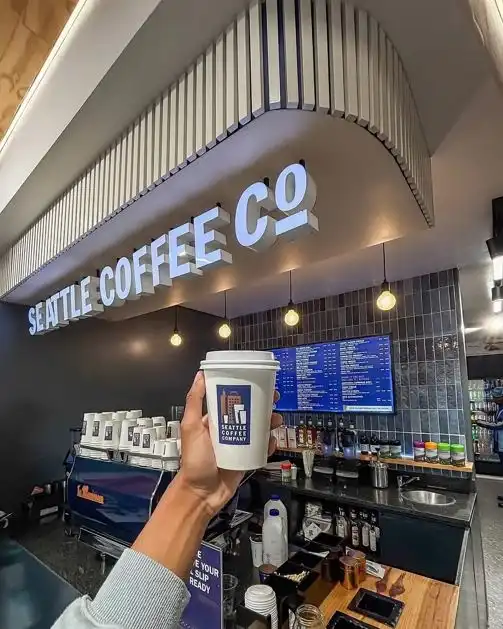
Forget the Starbucks in Pike Place Market—that’s for tourists who don’t know better. Real Seattle coffee requires visiting Victrola Coffee Roasters (310 Pike Street), directly across from the market. I attended a cupping session here years ago and learned more about coffee in two hours than I had in my entire life. Their pour-overs ($5-7) are worth the wait, espresso drinks run $4-6.
Zeitgeist Coffee (171 S Jackson Street) in Pioneer Square roasts their own beans and serves them in an industrial-chic space with soaring ceilings. Drinks cost $4-6. I work here occasionally, appreciating the free wifi and strong coffee equally.
| Restaurant | Cuisine | Price Per Person | Best For | Location |
| Sushi Kashiba | Japanese/Sushi | $175-250 | Special Occasions | Pike Place |
| Le Pichet | French Bistro | $35-45 | Date Night | First Avenue |
| Matt’s in the Market | Pacific NW | $55-75 | Views & Food | Pike Place Market |
| Dahlia Bakery | Bakery/Cafe | $8-15 | Quick Breakfast | Belltown |
| Piroshky Piroshky | Russian Pastries | $8-12 | Snacks | Pike Place |
| Radiator Whiskey | Southern/Cocktails | $25-40 | Brunch | Pike Place |
Shopping & Local Businesses in Downtown Seattle
Downtown Seattle’s shopping ranges from international chains along Pike Street (which I generally skip) to unique local businesses that define Seattle’s maker culture and artisan spirit.
Pike Place Market Artisan Stalls
Beyond the produce and fish vendors, Pike Place Market contains over 200 independent artisans selling handmade goods. I’ve bought jewelry, pottery, photography prints, and countless gifts here over the years. Look for Patricia Buzo’s colorful paintings capturing Pike Place scenes, or hunt for unique Seattle-themed gifts in the Market’s lower levels.
- Made in Washington (1530 Post Alley) curates exclusively Washington-made products—from smoked salmon to coffee to crafts. When out-of-town friends ask what to take home, I send them here.
- DeLaurenti Food & Wine (1435 1st Avenue) imports Italian specialties and offers an impressive wine selection. I buy olive oil, imported pasta, and aged balsamic here. The staff knows their inventory intimately and offers excellent recommendations.
Pioneer Square Galleries
First Thursday Art Walk transforms Pioneer Square into a gallery crawl. Foster/White Gallery (220 3rd Avenue S) represents prominent Pacific Northwest artists, including glass artists influenced by Dale Chihuly’s legacy. Stonington Gallery (119 S Jackson Street) specializes in Native American and indigenous art—their collection provides context for understanding this region’s first peoples.
I appreciate how these galleries showcase local talent rather than importing art from elsewhere. Seattle’s art scene has distinctive character reflecting our landscape and cultures.
Books & Music
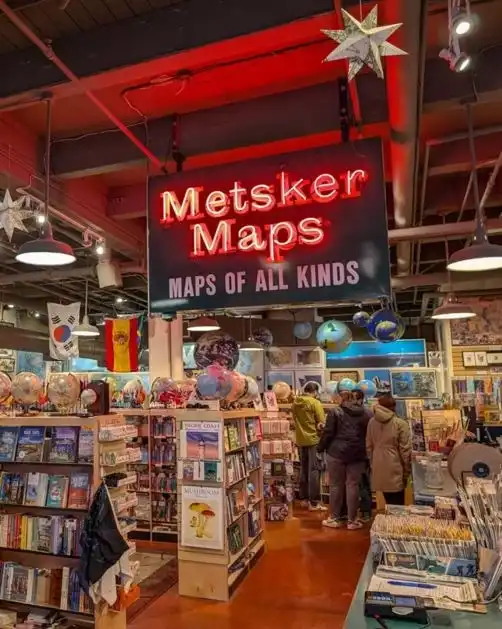
Metsker Maps (1511 1st Avenue) is a map lover’s paradise—I’ve spent hours here browsing topographic maps, travel guides, and geographic curiosities. In an age of Google Maps, this specialty shop maintains relevance through expertise and carefully curated inventory.
Unfortunately, downtown lost most of its independent bookstores over the years. Amazon Books (2131 7th Avenue) near Westlake Center ironically represents what displaced them, though I begrudgingly admit their curated “Books with 4.8+ Stars” displays can be useful.
For music, Easy Street Records closed their downtown location, though their West Seattle shop survives. Downtown’s music retail largely disappeared, replaced by digital streaming. This loss still saddens me—I remember when Seattle supported dozens of record stores.
Unique Seattle Shops
- Watson Kennedy Fine Home (1022 1st Avenue) sells beautifully curated home goods, specialty foods, and gifts. Everything here is tasteful without being stuffy. I buy candles and small luxuries here when I want to treat myself.
- Nordstrom flagship store (500 Pine Street) may be a chain, but this is where Nordstrom started in 1901. The eight-story downtown flagship maintains old-school service standards—live piano music, personal shoppers who remember your name, and generous return policies that built their reputation.
Downtown Seattle Nightlife & Entertainment Options
Downtown’s nightlife scene has evolved significantly over my years here. Some legendary venues closed, new ones opened, and the neighborhood’s character shifted as tech money flooded in. Still, excellent options remain for evening entertainment.
Wine & Cocktail Bars in Downtown Seattle Neighborhood
Le Caviste (1326 5th Avenue)
Le Caviste is my absolute favorite—a tiny French wine bar I almost hate sharing because it feels like a secret. David Butler, formerly sommelier at the now-closed Le Gourmand, curates an all-French wine list with glasses $12-15, bottles starting at $35. The charcuterie platters ($18-24) are absurdly good value. I come here regularly to decompress.
Rob Roy (2332 2nd Avenue)
Rob Roy in Belltown serves inventive cocktails ($14-18), including one with actual gunpowder. Yes, real gunpowder from ammunition. It’s safe, weirdly fascinating, and featured on countless “best cocktails” lists. The bartenders here take their craft seriously—expect precision and creativity in equal measure.
Zig Zag Café (1501 Western Avenue)
This cafe near Pike Place Market pioneered craft cocktails in Seattle before “craft cocktails” became ubiquitous. Their signature Last Word (gin, Chartreuse, maraschino liqueur, lime) remains perfect ($14). The space is small and gets crowded, but the drinks justify any wait.
Music Venues in Downtown Seattle
The Crocodile (2200 2nd Avenue)
The Crocodile in Belltown is Seattle music history incarnate. Nirvana, Pearl Jam, Soundgarden—they all played here. The venue closed in 2007, broke my heart, then reopened in 2009 under new ownership. Current programming mixes established acts with up-and-coming bands. Tickets typically run $15-35 depending on the act. Check their calendar—you might catch the next big thing.
Dimitriou’s Jazz Alley (2033 6th Avenue)
Dimitriou’s Jazz Alley brings national jazz acts to an intimate venue. Dinner service accompanies performances, though I usually skip food and focus on music. Tickets range $25-75 depending on the performer. The sight lines are excellent from any table.
Showbox (1426 1st Avenue)
Showbox has hosted everyone from Duke Ellington to Macklemore since opening in 1939. This mid-sized venue (capacity around 1,100) brings touring national acts across all genres. Ticket prices vary widely ($20-80) depending on the artist. I’ve seen incredible shows here—the acoustics and atmosphere work beautifully.
Late Night Options in Downtown Seattle
Downtown nightlife has honestly suffered in recent years. Many bars I frequented closed or changed beyond recognition. Still, Bathtub Gin & Co (2205 2nd Avenue) maintains a speakeasy vibe with creative cocktails ($14-16). Navy Strength (1401 2nd Avenue) serves tiki drinks ($12-18) in a tropical-themed space—fun, unpretentious, and open late.
For dancing, options are limited downtown. Most club-style venues migrated to Capitol Hill. Q Nightclub (1426 Broadway) technically sits at Capitol Hill’s edge, reachable by quick ride or 15-minute walk.
Downtown Seattle Parks & Outdoor Spaces
Downtown Seattle’s compact geography limits traditional parks, but creative urban planning provides green spaces that punch above their weight.
Olympic Sculpture Park
Already covered in attractions, but worth repeating: this nine-acre waterfront park is my favorite downtown outdoor space. The Elliott Bay Trail provides paved walking along the water—I’ve logged hundreds of miles here over the years. Watching ferries cross the Sound while massive sculptures loom overhead never gets old.
Victor Steinbrueck Park
Address: 2001 Western Avenue, Seattle, WA 98121
This small park at Pike Place Market’s north end offers stunning views of Elliott Bay and the Olympic Mountains. Two totem poles frame the vista, and benches provide rest after market wandering. I come here when I need a moment of peace amid Pike Place chaos.
Unfortunately, the park struggles with homelessness issues. During daytime hours it’s generally fine, but I avoid it after dark. This reflects broader downtown challenges—beautiful spaces impacted by social problems Seattle hasn’t adequately addressed.
Waterfall Garden Park
Address: 219 2nd Avenue S, Seattle, WA 98104
Tucked into Pioneer Square, this tiny pocket park features a man-made waterfall creating white noise that blocks out traffic. I discovered it accidentally years ago and return occasionally for its peaceful atmosphere. It commemorates the original UPS starting location—the company funded the park’s creation.
The waterfall cascades 22 feet down, creating genuine tranquility in an urban setting. Tables and chairs invite lingering, though the space is small—maybe 60 by 80 feet total. Quality over quantity.
Westlake Park
Address: 401 Pine Street, Seattle, WA 98101
This central plaza serves more as gathering space than traditional park—protest location, event venue, and general downtown crossroads. I wouldn’t come here specifically for outdoor recreation, but it’s worth observing the street life and buskers during lunch hours.
Downtown Seattle’s Local Culture & Community
Downtown Seattle’s culture is complex, layered, and honestly contradictory. Tech wealth intersects with homelessness. Historic preservation battles modern development. The neighborhood’s identity remains contested—is it for residents, workers, or tourists?
Architecture & History
Walking downtown, you’re navigating time periods. Pioneer Square’s 1890s brick Romanesque Revival buildings. Art Deco gems like Smith Tower from the 1910s-20s. Brutalist experiments like Freeway Park from the 1970s. Glass and steel towers from the 2000s tech boom. This architectural layering tells Seattle’s story better than any museum.
The Great Seattle Fire of 1889 literally reshaped downtown. After the fire destroyed 25 city blocks, planners rebuilt at a higher elevation to address tidal flooding issues. Walking Pioneer Square today means you’re one story above the original street level—the Underground Tour explores those buried storefronts.
Tech Industry Impact
Amazon’s presence dominates. Their South Lake Union headquarters employed over 50,000 people at its peak, fundamentally changing downtown’s economics and demographics. High salaries inflated costs, displacing longtime residents and businesses. The changes accelerated during COVID-19, when remote work emptied offices and street life withered.
I watched this transformation happen in real-time. Restaurants I loved closed. Rents quintupled. The neighborhood grew wealthier but lost character. This tension between prosperity and preservation defines modern downtown Seattle.
Homelessness & Social Challenges
Ignoring downtown Seattle’s homelessness crisis would be dishonest. The visible street population has grown significantly, particularly along 3rd Avenue. Drug addiction, mental illness, and lack of affordable housing combine into a humanitarian crisis Seattle struggles to address.
As someone who works downtown, I’ve developed relationships with some unhoused neighbors. Most are kind, struggling with circumstances beyond their control. Others deal with severe mental health issues that manifest as unpredictable behavior. This complexity resists easy solutions.
Visitors often ask about safety. My honest answer: downtown Seattle is generally safe during daylight hours, less so after dark in certain areas. Use common sense, stay aware, and avoid deserted blocks late at night.
Arts & Cultural Events
- Seattle Art Fair (August annually) brings galleries, collectors, and art enthusiasts to the Convention Center. I attend when possible—it’s accessible even for non-collectors like myself.
- Seafair (late July/early August) includes hydroplane races on Lake Washington and Blue Angels air show flyovers. When the jets scream overhead, downtown work stops as everyone rushes to windows.
- First Thursday Art Walk in Pioneer Square remains my favorite monthly event—galleries stay open late, wine flows freely, and the neighborhood transforms into a social art experience.
Where to Stay in Downtown Seattle?
Accommodation location significantly impacts your downtown experience. I’ve hosted countless visitors and learned which hotels work best for different travel styles.
Luxury Options
- Fairmont Olympic Hotel (411 University Street) represents old-world elegance—this 1924 Italian Renaissance landmark hosted presidents and celebrities for nearly a century. The grand lobby, with its ornate ceilings and crystal chandeliers, transports you to another era. Rooms start around $350-500 nightly, suites can exceed $800.
- Four Seasons Seattle (99 Union Street) offers modern luxury with Elliott Bay views. The location near Pike Place Market is unbeatable. Expect to pay $400-650 per night for rooms with water views, premium suites $1,000+.
Boutique Properties
- The Paramount Hotel (724 Pine Street) provides boutique character at reasonable prices ($180-320 nightly depending on season). Each room has unique design elements creating loft-like atmosphere. The location on Pine Street puts you near Capitol Hill’s edge—convenient for exploring multiple neighborhoods.
- Hotel Monaco (1101 4th Avenue) embraces quirky luxury with bold colors and personality. Their pet goldfish program (they’ll bring a goldfish to your room if you’re traveling alone) showcases their playful approach. Rates typically run $220-420 depending on room type and season.
Mid-Range Comfort
- Kimpton Alexis Hotel (1007 1st Avenue) near Pike Place Market offers consistent quality and good location. Their evening wine hour (free for guests) adds value. Expect $200-380 nightly depending on season.
- Hyatt Regency Seattle (808 Howell Street) provides reliable comfort near the convention center. Less character than boutiques, but solid choice for business travelers. Rates $180-320 depending on dates.
Budget-Friendly
- Green Tortoise Hostel (105 Pike Street) above Pike Place Market offers dormitory beds from $40-55 per night and private rooms from $95-140. The communal vibe and location make it excellent value for young travelers.
- Ace Hotel (2423 1st Avenue) in Belltown pioneered the hip-budget-hotel concept. Shared-bath rooms start around $110-150; private baths $160-220. The lobby scene is legendary—local creative types work here during the day.
Airbnb Considerations
Downtown Airbnbs can offer good value, particularly for groups or extended stays. Focus on areas near Pike Place Market, Belltown’s western edge, or near Seattle Center. Avoid units right on 3rd Avenue due to noise and safety concerns.
Downtown Seattle Itineraries
Based on my years exploring downtown, here are realistic itineraries that balance major attractions with local favorites.
Half-Day Morning Exploration (4 hours)
- 7:30 AM: Arrive at Pike Place Market before crowds. Photograph the sign, explore empty corridors, watch vendors set up.
- 8:30 AM: Coffee at Victrola Coffee Roasters. Grab a pastry from Three Girls Bakery.
- 9:30 AM: Walk through Olympic Sculpture Park to Elliott Bay Trail. Breathe salt air, spot ferries, enjoy waterfront views.
- 11:00 AM: Return via Belltown. Stop at Top Pot Doughnuts if you skipped bakery earlier.
- 11:30 AM: Conclude at Seattle Central Library. Explore the architecture, rest in the reading room.
Full-Day Deep Dive (8-10 hours)
- 8:00 AM: Pike Place Market early exploration. Breakfast at Lowell’s for waterfront views (expect tourists, but location justifies it).
- 10:00 AM: Seattle Art Museum opens. Spend 90 minutes with collections.
- 12:00 PM: Lunch at Le Pichet. Order roast chicken immediately (one hour cooking time).
- 2:00 PM: Walk Pioneer Square. Explore galleries, visit Smith Tower Observatory.
- 4:00 PM: Coffee break at Zeitgeist in Pioneer Square.
- 5:00 PM: Return to hotel to rest and refresh.
- 7:00 PM: Dinner at Matt’s in the Market (reservation required) or explore International District for pho and dim sum.
- 9:00 PM: Cocktails at Rob Roy or Le Caviste. End evening at The Crocodile if a good band is playing.
Evening & Nightlife Focus (5 hours)
- 5:00 PM: Start with drinks at Le Caviste. Order charcuterie plate and French wine.
- 7:00 PM: Dinner at Radiator Whiskey for Southern comfort food and bourbon.
- 9:00 PM: Walk to The Crocodile or Showbox for live music (check schedules in advance).
- 11:00 PM: Late-night cocktails at Bathtub Gin & Co.
Rainy Day Alternative
- 10:00 AM: Seattle Central Library. Spend serious time here—it’s designed for lingering.
- 12:00 PM: Lunch at Matt’s in the Market or any Pike Place Market vendor.
- 1:30 PM: Seattle Art Museum. Take your time with temporary exhibitions.
- 4:00 PM: Movie at SIFF Cinema Egyptian Theatre (801 E Pine Street, technically Capitol Hill but close).
- 6:30 PM: Dinner at enclosed restaurant—Le Pichet, Sushi Kashiba, or Hotel Monaco’s Marin.
- 8:30 PM: Drinks at any covered venue. Rob Roy’s craft cocktails pair perfectly with rain outside.
Downtown Seattle Neighborhood Local Tips for visitors
After living and working in downtown Seattle for over a decade, these are the tricks I’ve learned that transform visits from tourist experiences into local living.
Timing Is Everything
Pike Place Market: Arrive before 9 AM or after 5 PM. Mid-morning through late afternoon is tourist hell—impossible crowds, long lines everywhere. Early morning captures vendors setting up, late afternoon catches closing deals and reduced prices.
Museums: First Thursdays at SAM are free 5-8 PM. Yes, it’s busier, but you save $25. Weekday mornings are quietest for all museums.
Restaurants: Make dinner reservations at least a week ahead for popular spots like Sushi Kashiba or Matt’s in the Market. Lunch requires less planning and often provides better value.
Transportation Secrets
The 3rd Avenue bus corridor moves efficiently through downtown—most buses run here. However, the 3rd & Pike stop has significant homelessness issues. If uncomfortable, walk one block to 3rd & Union or 3rd & Virginia.
Light rail connects downtown to Capitol Hill, University District, and Sea-Tac Airport efficiently. The University Street and Westlake stations access most downtown attractions within a 10-minute walk.
Parking: Download SpotHero app and pre-book parking. I regularly save $10-15 compared to drive-up rates. The Pacific Place garage (600 Pine Street) offers reasonable rates with easy access to retail district.
Avoiding Tourist Traps
Skip the original Starbucks line—it’s just branding. The store relocated in the 1970s, making “first Starbucks” claims questionable. Visit Victrola across the street for genuine Seattle coffee culture.
Don’t wait in line at Beecher’s in Pike Place Market. Their cheese is sold at QFC, Whole Foods, and the airport. Buy the piroshky at Piroshky Piroshky’s 3rd Avenue location instead of the Pike Place Market line.
The Seattle Great Wheel is fine but expensive. Columbia Center’s Sky View Observatory provides better views at lower cost.
Local Etiquette
Seattleites are polite but reserved—don’t expect Southern-style chattiness. We’re friendly but value personal space.
Umbrellas mark you as a tourist. Locals wear waterproof jackets and accept getting slightly damp. It rarely pours; usually we get persistent drizzle.
Coffee is serious business. Know your order before reaching the counter. Starbucks trained Americans on espresso vocabulary—use it.
Hidden Gems Locals Actually Visit
- Post Alley behind Pike Place Market contains murals, small shops, and the famous Gum Wall. I find it more interesting than the main market corridors.
- Secret garden at Pike Place Market’s southwest corner (Virginia Street & Western Avenue) offers respite and views. Few tourists discover it.
- Steinbrueck Park north of Pike Place provides the best free viewpoint of Elliott Bay and Olympics. Bring coffee and watch ferries.
- Waterfall Garden Park in Pioneer Square is a peaceful pocket park most people miss completely.
Conclusion: Your Downtown Seattle Experience
Downtown Seattle defies simple characterization. It’s simultaneously gritty and sophisticated, historic and futuristic, welcoming and standoffish. The neighborhood I moved to a decade ago has changed dramatically—some changes I celebrate, others I mourn.
What remains constant is downtown’s essential role as Seattle’s beating heart. This is where our history began in Pioneer Square, where Pike Place Market has fed residents for over a century, where Elliott Bay reminds us we’re a maritime city despite the tech industry overlay.
I’ve walked these streets thousands of times, and I still discover new corners, new restaurants, new perspectives. That’s what keeps me coming back—the layers keep revealing themselves to those who look beyond the surface.
Your downtown Seattle experience will differ from mine. You might love attractions I barely mentioned or skip places I cherish. That’s perfect. Seattle rewards curiosity and punishes assumptions. Come with open expectations, comfortable shoes, and willingness to explore beyond the guidebook highlights.
The downtown I’ve shared here represents my truth—one person’s decade of experiences exploring this complex, contradictory, and utterly fascinating neighborhood. Take what resonates, ignore what doesn’t, and create your own downtown Seattle story.
I promise the city will surprise you. It still surprises me, even after all these years. That’s why I stay.


