
Gas Works Park Seattle Guide: History, Skyline Views, Things to Do & Visitor Tips
When I first discovered Gas Works Park in 2018, shortly after moving to Seattle, I stood there completely amazed by what I was seeing. Rusted industrial machinery stood proudly against the skyline. Children flew kites on top of a grassy hill that was once an industrial wasteland. The ghost of Seattle’s industrial past created one of the most photographed views I’d ever seen in the Pacific Northwest.
I’ve returned to this 19-acre waterfront destination countless times since then. Each visit reminds me why Gas Works Park boldly keeps what most cities would have torn down.
Every year, over one million visitors come to this unusual green space on the north shore of Lake Union. They’re drawn by its amazing views of downtown Seattle, its hauntingly beautiful industrial ruins, and the simple fact that there’s nowhere else quite like it in the world.
What began as a controversial experiment in landscape design has become one of Seattle’s most beloved landmarks. It’s a place where history, environmental cleanup, and community come together in beautiful and thought-provoking ways.
Whether you’re planning your first visit or you’re a local looking to rediscover this Seattle icon, I’m excited to share everything I’ve learned from my many visits to help you make the most of your Gas Works Park experience.
What Makes Gas Works Park Special?
The moment I arrive at Gas Works Park, I understand why it captivates visitors. Towering structures of weathered steel and painted machinery rise from manicured lawns like industrial sculptures in an open-air museum.
The contrast is striking. I see families picnicking beneath generators. Photographers frame the Space Needle through oxidized pipes. Kites soar above what were once coal gasification towers.

The Best Skyline View in Seattle
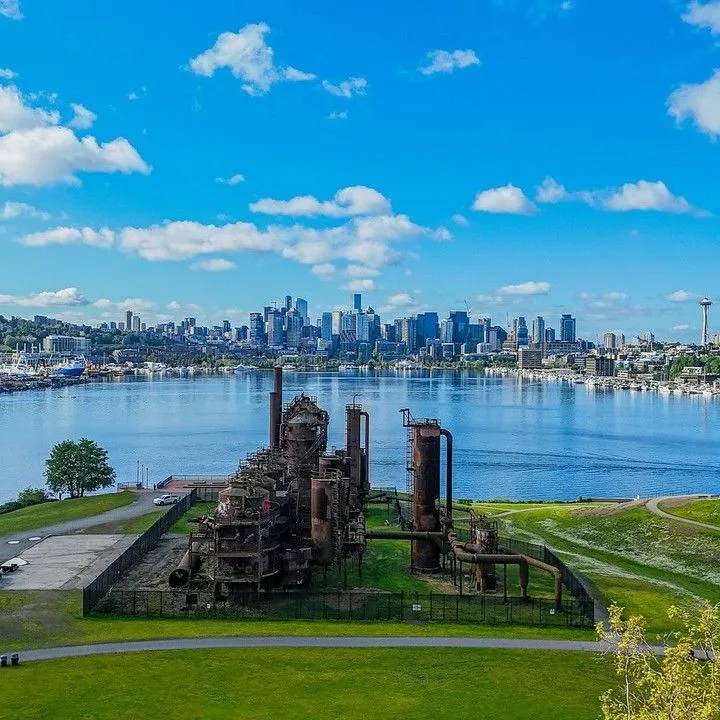
I’ve found the park offers arguably the finest view of Seattle’s skyline available to the public. From the Great Mound—a gently sloping hill at the park’s center—I can see:
- The Space Needle
- Downtown‘s gleaming skyscrapers
- Capitol Hill‘s residential neighborhoods
- The shimmering waters of Lake Union dotted with sailboats and seaplanes
On clear days, Mount Rainier dominates the southern horizon. It provides a stunning natural contrast to the urban landscape.
But I’ve learned it’s not just about the views. Gas Works Park represents something deeper: Seattle’s willingness to embrace its industrial heritage rather than erase it, to transform contaminated land into usable public space, and to challenge conventional ideas about what makes a park beautiful.
It’s this authentic, slightly gritty character that makes the park feel distinctly Seattle—progressive, environmentally conscious, yet unafraid of its blue-collar roots.
Gas Works Park History: From Industrial Site to Beloved Park
The Gasification Plant Era
In 1906, the Seattle Gas Light Company built a coal gasification plant on this waterfront site, then known as Brown’s Point. For half a century, this facility converted coal and later oil into synthetic gas. This gas heated homes and powered streetlights throughout Seattle.
At its peak, the plant employed dozens of workers. It featured elaborate machinery including:
- Generators
- Compressors
- Exhaust stacks
- A network of condensers and towers that dominated the shoreline
The plant operated continuously until 1956. That’s when the discovery of natural gas in British Columbia made the gasification process outdated.
For nearly two decades afterward, the abandoned industrial site sat vacant. It was 20 acres of contaminated soil, decaying structures, and toxic residue. Most city planners viewed it as a problem requiring complete removal and redevelopment.
The Visionary Transformation
Enter Richard Haag, a landscape architect whose radical vision would transform not just this site, but the entire approach to industrial heritage preservation.
In 1970, the City of Seattle bought the property for park development. Haag proposed something unprecedented: preserve the industrial structures as intentional park features rather than demolishing them.
A Controversial Proposal
The proposal was controversial. Critics argued that the rusting machinery was:
- Ugly
- Dangerous
- Toxic
- Hardly appropriate for a public park
But Haag recognized something others missed. These structures told Seattle’s story. Their stark industrial beauty offered an experience unlike any traditional park.
He envisioned families picnicking in the shadow of history. He saw children exploring an industrial landscape safely repurposed for play and education.
Opening Day and Recognition
After years of planning, environmental cleanup, and public debate, Gas Works Park officially opened on July 4, 1975.
The transformation had cost $3.3 million. It required removing 14,000 tons of contaminated soil while preserving six major structures.
In 2013, the park achieved official recognition when it was listed on the National Register of Historic Places. This validated Haag’s vision and cemented its status as a pioneering example of adaptive reuse in landscape architecture.
Why the Ruins Remain
When I explore the park today, I discover a carefully chosen selection of the original plant’s infrastructure.
The Most Prominent Features:
- Exhauster-Compressor Building: Now called the “play barn,” where brightly painted machinery invites exploration (though climbing is restricted)
- The Control Tower: Stands guard over the park
- The Boiler House: Provides shelter during Seattle’s frequent drizzle
I’ve learned the preservation wasn’t merely for looks—it was educational and environmental. Haag believed that erasing industrial history sanitized our relationship with energy consumption and environmental impact.
By maintaining these structures, the park serves as a real reminder of how we’ve powered our cities and at what cost.
Environmental Challenges and Solutions
However, preservation came with serious environmental challenges. The soil contained coal tar, heavy metals, and petroleum products from decades of industrial use. The City of Seattle conducted extensive remediation, including capping contaminated soil with clean fill (which became the Great Mound) and ongoing monitoring to ensure public safety.
Today, designated pathways and lawn areas are certified safe for public use, though certain original areas remain restricted.
Planning Your Visit: Gas Works Park Hours & Essential Information
| Detail | Information |
| Hours | Dawn to dusk (approximately 4:00 AM – 11:00 PM summer; 6:00 AM – 8:00 PM winter) |
| Parking | Limited street parking on N Northlake Way and Meridian Ave N |
| Transit | King County Metro routes 31, 32, 62 (nearest stops within 0.3 miles) |
| Address | 2101 N Northlake Way, Seattle, WA 98103 |
| Admission | Free |
| Facilities | Restrooms (seasonal), water fountain, limited benches |
| Contact | Seattle Parks & Recreation: (206) 684-4075 |
Best Times to Visit Gas Works Park Seattle
- For Solitude: I visit on weekday mornings, especially during fall and winter. I often have the Great Mound nearly to myself, with only joggers and dog walkers sharing the space. The park opens at dawn, making it ideal for sunrise photography or peaceful reflection.
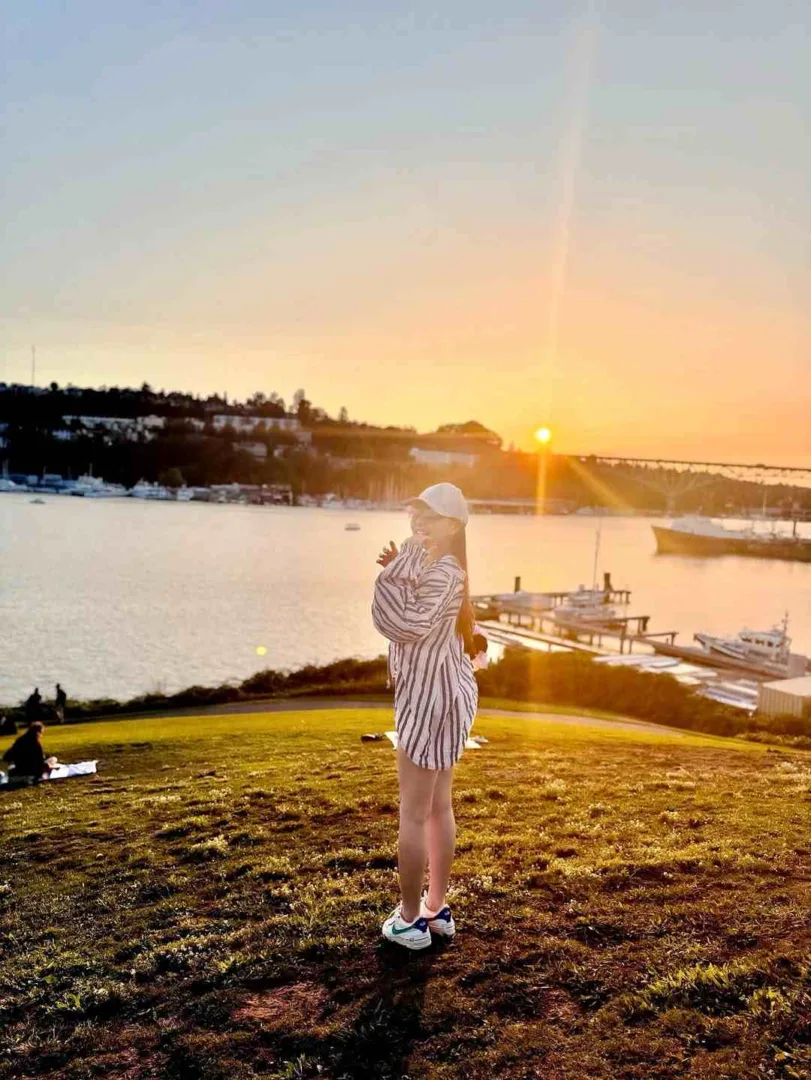
- For Photography: I’ve learned golden hour—the hour before sunset—provides magical lighting that makes the Seattle skyline glow. I particularly favor clear winter evenings when Mount Rainier is visible and the low-angle light creates dramatic shadows on the industrial structures. Sunrise can be equally spectacular but requires arriving very early.
- For Events and Atmosphere: I’ve experienced how summer weekends transform Gas Works Park into a community gathering place. Expect crowds, especially during July 4th festivities when tens of thousands gather for Seattle’s signature fireworks display. If you enjoy people-watching and festive energy, this is your ideal time.
- For Moderate Crowds: I’ve found spring and fall weekday afternoons offer the best balance—enough activity to feel the park’s community vibe without overwhelming crowds. May and September typically provide the best weather with fewer visitors than peak summer months.
What to Bring
I maximize my Gas Works Park experience by packing thoughtfully:
| Item | Why You Need It |
| Blanket or portable chairs | Grass can be damp, and benches are scarce |
| Kite and flying gear | The Great Mound offers perfect kite-flying conditions on breezy days |
| Camera equipment | Whether smartphone or DSLR, capture the iconic views |
| Sunscreen and sunglasses | The waterfront location offers little shade |
| Water and snacks | No vendors operate within the park |
| Layers of clothing | Lake Union’s waterfront can be 10 degrees cooler and windier |
| Reusable bags | Practice Leave No Trace ethics |
Gas Works Park Events: What’s Happening Throughout the Year
I’ve witnessed Gas Works Park serve as one of Seattle’s premier outdoor event venues, hosting everything from massive public celebrations to intimate gatherings.
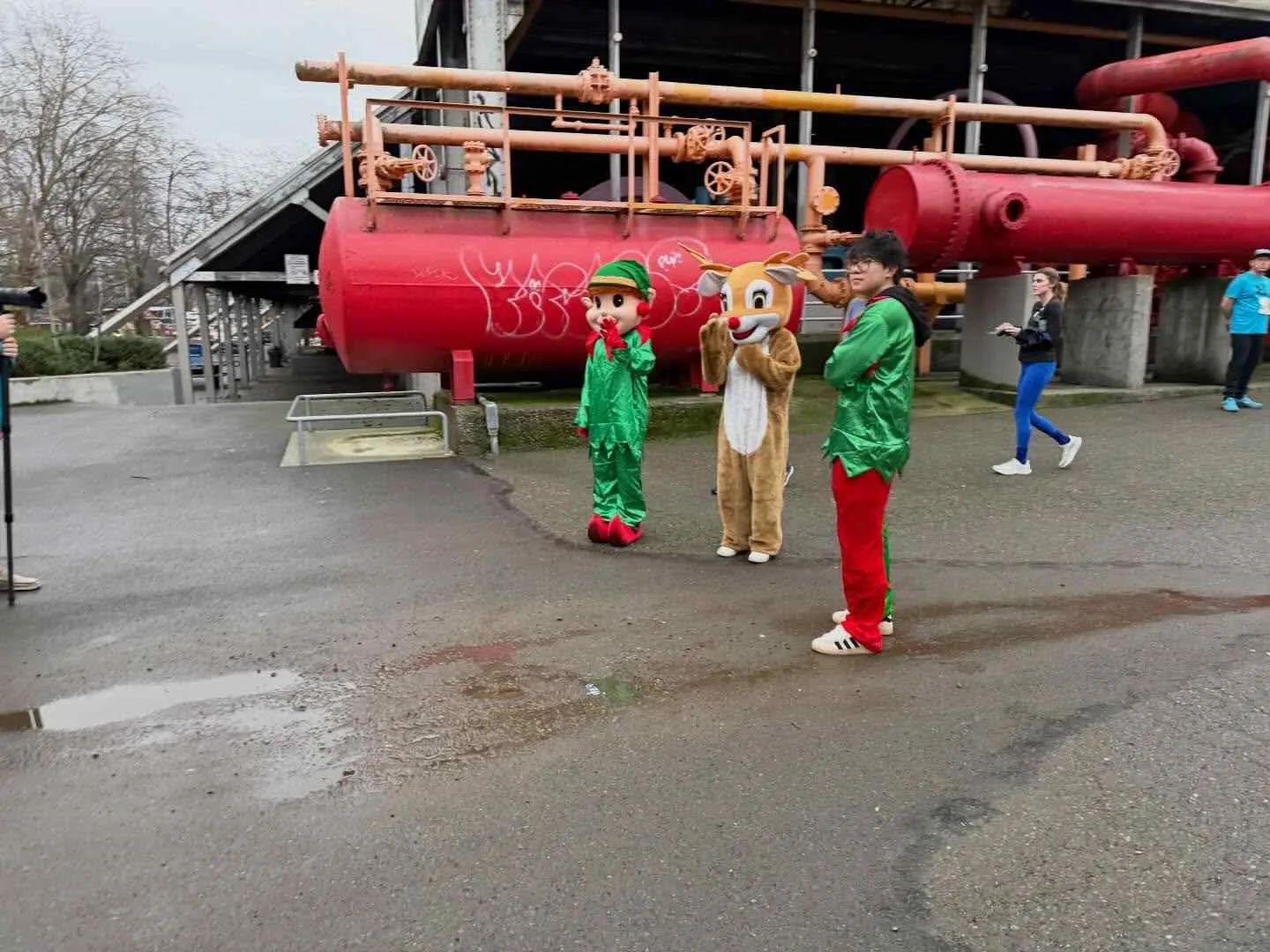
- Fourth of July Celebration: The park’s marquee event attracts 50,000+ spectators for Seattle’s largest fireworks display, launched from a barge on Lake Union. I arrive by mid-afternoon to secure viewing spots on the Great Mound. The event features food trucks, live music, and an electric atmosphere, though I expect significant crowds and limited facilities.
- Summer Concert Series: Throughout July and August, I’ve attended the park’s occasional free outdoor concerts and community performances. These smaller-scale events (typically drawing 500-2,000 attendees) offer a more relaxed atmosphere than the July 4th spectacle.
- Kite Festivals: Spring winds make Gas Works Park ideal for organized kite-flying events, particularly popular with families. While not formally scheduled annual festivals, I’ve noticed informal kite-flying gatherings occur regularly on windy spring weekends.
- Private Events and Permits: The park is available for private events including corporate gatherings, weddings, and photography sessions through Seattle Parks & Recreation’s permit system. Popular dates book months in advance, particularly for summer weekend events.
| Season | Popular Events | Best For |
| Summer | 4th of July fireworks, concerts, outdoor movies | Crowds, festivities, warm evenings |
| Spring | Kite flying, picnics, Earth Day activities | Families, moderate weather |
| Fall | Photography meetups, smaller gatherings | Golden hour shots, fall colors |
| Winter | Peaceful walks, New Year’s viewing | Solitude, clear mountain views |
Things to Do at Gas Works Park
The Great Hill Experience
I’ve explored the park’s central feature—a 40-foot-high grassy mound—which offers 360-degree panoramic views and serves multiple purposes.
This hill isn’t natural. It’s a carefully engineered cap over remediated contaminated soil, transformed into the park’s most popular gathering spot.
I’ve found the gentle slopes make it accessible for all ages. It’s perfect for activities from kite-flying to sledding (during Seattle’s rare snow events).
The Summit Views
When I climb to the summit, it takes just two minutes but rewards me with views worth hours of contemplation:
- South: Downtown Seattle’s skyline creates a dramatic urban canvas
- North: Residential neighborhoods climb toward Green Lake
- East: The University of Washington and the Cascade Mountains
- West: Fremont and the Ballard locks
I’ve learned the hill’s treeless design was intentional. It preserves sightlines while serving the environmental function of sealing contaminated soil.
Explore the Industrial Ruins
When I explore the preserved gasification equipment, I find an outdoor museum of industrial archaeology.
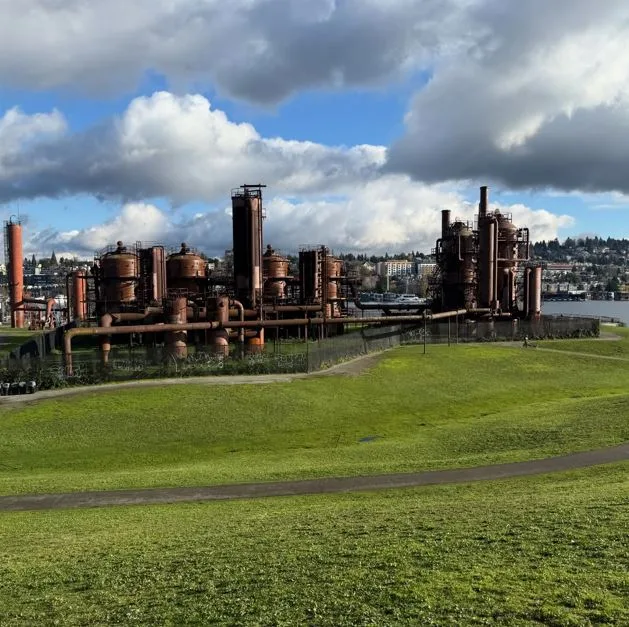
The Exhauster-Compressor Building—the most intact structure—houses massive machinery painted in vibrant colors by local artists. While climbing directly on equipment is prohibited for safety reasons, viewing platforms and pathways allow me close inspection.
Photography Paradise
I’ve discovered endless photography compositions here:
- Rust patterns creating abstract art
- Seattle’s modern skyline framed through industrial geometry
- The interplay of organic weathering and deliberate preservation
The machinery’s scale impresses me. Generators tower two stories high. Pipes snake in seemingly impossible configurations. Control mechanisms hint at the complex processes once performed here.
Interpretive signage explains the equipment’s original functions. This helps me understand the coal gasification process. The combination of educational content with raw industrial aesthetics creates a unique learning environment. History feels real rather than just reading about it in a book.
Kite Flying on the Great Mound
I’ve discovered Gas Works Park has become Seattle’s unofficial kite-flying headquarters.
The Great Mound’s elevation, combined with consistent winds off Lake Union, creates ideal conditions. On any breezy day, I expect to see dozens of kites dancing against the sky:
- Simple diamond designs
- Elaborate box kites
- Stunt models
I’ve found the kite-flying community here is welcoming. Experienced flyers often help newcomers launch their kites and offer tips on wind management.
The open space and soft grass make it safe for learning. The visual spectacle of colorful kites against Seattle’s urban backdrop creates memorable photos.
Best Times for Kite Flying:
- Spring and fall provide the most reliable winds
- Summer afternoon thermal patterns also work well
- Winter storms can create spectacular (if challenging) flying conditions for experienced enthusiasts
Picnicking with a View
I’ve learned few Seattle picnic spots rival Gas Works Park’s combination of views, space, and atmosphere. The sprawling lawns accommodate everything from intimate couple’s lunches to large family reunions.
My Favorite Picnic Zones
- The slope facing downtown: Best for skyline views
- The waterfront area: Ideal for watching sailboats and seaplanes
- Spots near the industrial structures: For shade and architectural interest
Sunset Picnic Tradition
I’ve experienced how sunset picnics have become a local tradition. Couples and groups claim prime spots hours in advance during summer months.
I bring wine (allowed in Seattle parks), cheese boards, and blankets for a quintessentially Seattle evening experience. I watch the city lights gradually illuminate as daylight fades. The transition from golden hour to twilight blue offers constantly changing photographic opportunities.
I remember to pack in everything I’ll need and pack out all trash. While garbage cans exist, they often overflow during busy periods. Practicing Leave No Trace ethics helps preserve the park’s beauty for everyone.
Photography & Skyline Views
I’ve found Gas Works Park ranks among Seattle’s most photographed locations, and for good reason. The combination of industrial foreground elements, water, and urban skyline creates compositional opportunities rarely found elsewhere.
Best Photography Spots
| Location | What You’ll Capture |
| Great Mound summit | Classic skyline shots with Space Needle prominence |
| Waterfront path | Low-angle views with Lake Union reflections |
| Inside the Exhauster-Compressor Building | Framing cityscape through industrial structures |
| North lawn | Wide-angle panoramas including Mount Rainier (on clear days) |
Optimal Lighting
I’ve learned the golden hour before sunset provides warm, directional light. This enhances both the city skyline and industrial structures.
Blue hour (twilight after sunset) offers opportunities for long exposures capturing city lights reflected in Lake Union.
Overcast days create even, dramatic lighting that emphasizes the industrial aesthetic.
Professional Photography:
Professional photographers frequently use Gas Works Park for:
- Engagement photos
- Senior portraits
- Commercial shoots
The location fee for professional photography requires a permit from Seattle Parks & Recreation.
Water Activities Access
I’ve explored the park’s waterfront, which provides easy Lake Union access for kayakers, paddleboarders, and small boats. A modest beach area allows launching and landing, though facilities are minimal—no rentals or dedicated docks exist on-site.

Paddling Lake Union
Lake Union connects to Puget Sound via the Lake Washington Ship Canal, making it navigable for various watercraft.
I’ve paddled around Lake Union, which offers unique perspectives on:
- Seattle’s houseboats
- The Museum of History & Industry
- South Lake Union’s development
The Burke-Gilman Trail parallels the shoreline, allowing biking friends to accompany paddlers along the route.
Water quality varies seasonally. While kayaking and paddleboarding are safe, swimming is not recommended due to boat traffic, water temperature, and occasional water quality advisories.
Gas Works Park Paintball: Separating Fact from Fiction
Let me address this clearly: paintball is NOT allowed at Gas Works Park. This is a common search query, likely stemming from confusion with other Seattle-area paintball venues or perhaps informal (and illegal) historical use of the industrial ruins.
Playing paintball at Gas Works Park would violate multiple Seattle Parks regulations, risk damage to historically significant structures, and create safety hazards for other park users. Security cameras and regular park ranger patrols make unauthorized paintball activity likely to result in citations and potential criminal charges.
Actual Seattle-Area Paintball Options:
- Panther Paintball (near Redmond) – Outdoor courses about 30 minutes from downtown
- DoodleBug Sportz (Kent) – Indoor facility south of Seattle
- KC Crusaders (Issaquah) – Competitive paintball fields east of the city
If you’re interested in urban exploration photography that captures industrial aesthetics similar to Gas Works Park, I recommend Georgetown’s industrial district or the Ballard neighborhood, where aging warehouses and machinery create compelling backdrops without the restrictions of a historic park.
Gas Works Park Seattle Safety Considerations & Past Incidents
Understanding “Gas Works Park Death” Searches
Like any urban park situated on waterfront property, Gas Works Park has witnessed tragic incidents over its nearly 50-year history. These searches typically reference drowning incidents in Lake Union or, rarely, other accidents.
I think it’s important to put this in context: millions of visits occur safely each year. The park maintains strong safety records comparable to other major urban parks.
What Actually Happens
Most incidents relate to water safety. Lake Union’s cold temperatures and boat traffic create genuine hazards. Others involve:
- Cyclists on the adjacent Burke-Gilman Trail
- General urban park concerns
Addressing these searches honestly while avoiding sensationalism: yes, accidents have occurred. But I’ve found Gas Works Park itself is not inherently dangerous when visitors follow basic safety protocols.
The park’s industrial structures pose minimal risk when visitors respect barriers and signage. Seattle Parks & Recreation conducts regular safety inspections. Viewing platforms allow close access to equipment without requiring direct contact with potentially unstable structures.
Environmental Safety
Given the site’s industrial history, environmental safety concerns are valid. They have been thoroughly addressed through extensive cleanup efforts.
- Contamination History: Decades of coal gasification left soil contaminated with coal tar, petroleum products, and heavy metals including arsenic, lead, and cyanide. Initial studies revealed contamination depths exceeding 20 feet in some areas.
- Remediation Completed: The City of Seattle removed 14,000 tons of the most contaminated soil before park construction. Remaining contaminated areas were capped with clean soil and clay barriers. The Great Mound itself serves as an engineered cap over remediated soil. Ongoing groundwater monitoring ensures contaminants remain contained.
- Current Safety Status: I’ve learned all public-access areas—lawns, pathways, beaches—meet EPA safety standards for recreational use. Children can play safely on designated grass areas. The primary restriction involves digging or disturbing soil, which is prohibited park-wide.
- Ongoing Monitoring: Seattle Parks & Recreation conducts annual environmental testing, with results publicly available. Restricted areas remain clearly marked, and comprehensive signage explains environmental protections.
The environmental transformation represents a success story in urban land reclamation. It demonstrates that contaminated industrial sites can be safely repurposed for public benefit.
General Safety Tips
I maximize my safety while enjoying Gas Works Park:
- Stay on designated paths and lawn areas: Restricted zones exist for environmental and structural safety reasons
- Supervise children closely near the waterfront: Lake Union’s edge lacks barriers, and water can be deceptively cold even in summer
- Be aware of cyclists on the Burke-Gilman Trail: The multi-use trail sees heavy bicycle traffic; I stay alert when crossing
- Visit during posted hours (dawn to dusk): The park lacks lighting, making after-dark visits potentially hazardous
- Don’t climb on industrial equipment: Despite their playground-like appearance, structures aren’t designed for climbing and may have sharp edges or unstable elements
- Use caution on the Great Mound during wet weather: Grass slopes can become slippery when wet
- Secure valuables: While serious crime is rare, vehicle break-ins occur in parking areas; I don’t leave valuables visible in cars
- Check weather forecasts: Exposed waterfront location makes the park vulnerable to sudden weather changes
Gas Works Park Reviews: What Visitors Are Saying
I’ve aggregated thousands of reviews from Google, TripAdvisor, and Yelp that reveal consistent themes about the Gas Works Park experience.
Top Praised Features
- Unique Industrial Aesthetic: Reviewers consistently highlight the park’s one-of-a-kind character. I’ve read visitors appreciate that Gas Works Park doesn’t resemble typical manicured city parks. As one TripAdvisor reviewer notes: “You won’t find another park anywhere that preserves industrial history like this. It’s weirdly beautiful.”
- Unbeatable Skyline Views: The panoramic Seattle views receive near-universal praise. I’ve noticed Google reviewers frequently rate it the best skyline perspective in the city, surpassing even Kerry Park for photographic opportunities due to its foreground interest and water elements.
- Photography Paradise: Professional and amateur photographers consistently rate Gas Works Park 5 stars for its compositional variety. The combination of industrial elements, natural beauty, and urban skyline creates what one Yelp reviewer calls “endless Instagram-worthy shots.”
- Family-Friendly Activities: Parents appreciate the open spaces for kite-flying, picnicking, and letting children run freely. The industrial structures fascinate kids while educational elements engage curious minds.
Common Complaints
- Parking Challenges: This complaint dominates 3-star and 4-star reviews. “Bring patience or take the bus” advises one frequent visitor. I’ve found weekend parking can require circling blocks or walking considerable distances from street parking.
- Crowds During Events: July 4th and summer weekends draw complaints about overwhelming crowds, limited restroom facilities, and difficulty finding space. Several reviewers recommend weekday visits for a more pleasant experience.
- Limited Amenities: No food vendors, minimal seating, and seasonal restroom closures frustrate some visitors expecting typical park facilities. Reviews emphasize coming prepared with everything you’ll need.
- Weather Exposure: The waterfront location’s wind and lack of shelter during rain disappoint some visitors. “Bring layers even in summer” appears repeatedly in reviews.
Insider Tips from Frequent Visitors
I’ve synthesized advice from experienced Gas Works Park visitors:
- “Arrive before 10 AM on summer weekends” – Beat parking hassles and claim prime picnic spots before crowds arrive
- “Bring a wide-angle lens” – Standard lenses can’t capture the full skyline; 24mm or wider recommended for photographers
- “Visit during winter for the clearest mountain views” – Autumn and winter typically offer the best visibility of Mount Rainier and the Cascades
- “Download parking apps before arriving” – Street parking requires payment via ParkMobile or PayByPhone apps; no parking meters exist
- “Combine with Fremont exploration” – The quirky Fremont neighborhood is a 10-minute walk; make a half-day adventure of both destinations
Gas Works Park Seattle Nearby Attractions & Making a Day of It
I’ve discovered Gas Works Park’s location in Seattle’s Wallingford neighborhood provides easy access to complementary attractions, making it simple to build a full day’s adventure.
- Fremont Neighborhood (10-minute walk): Seattle’s self-proclaimed “Center of the Universe” offers quirky public art including the famous Fremont Troll lurking under the Aurora Bridge, the Fremont Rocket attached to a building façade, and the Lenin Statue generating ongoing controversy. I’ve explored Sunday’s Fremont Market (year-round) featuring local artisans, vintage goods, and food vendors. Fremont’s brewpubs and cafes provide excellent meal options.
- Burke-Gilman Trail: This 27-mile multi-use trail passes directly adjacent to Gas Works Park. I’ve rented bikes nearby and explored Lake Union’s complete shoreline—a roughly 12-mile loop passing houseboats, the Museum of History & Industry (MOHAI), and South Lake Union’s development.
- Lake Union Waterfront Dining: I’ve found several restaurants within a mile offer water views and quality meals. Ivar’s Salmon House (traditional seafood), Westward (contemporary American with excellent patio), and various casual cafes in Wallingford provide options for all budgets.
- Woodland Park Zoo (2 miles north): One of the nation’s top-rated zoos makes an excellent family-friendly combination with Gas Works Park, though attempting both in one day requires significant energy.
- University District (15 minutes by bike or bus): The UW campus offers beautiful grounds, the Burke Museum of Natural History and Culture, and diverse dining reflecting the student population’s international character.
Practical Tips for First-Time Visitors
I maximize my inaugural Gas Works Park experience with these distilled recommendations:
- Bring a blanket or portable seating – The park’s design philosophy emphasized preserving views over providing benches. I bring my own seating for picnics or extended stays. Grass can be damp even days after rain.
- Pack your own food and drinks – Unlike many tourist destinations, no vendors operate within the park. The nearest restaurants require a 10-minute walk to Wallingford or Fremont business districts. Bringing my own provisions allows me to maximize time enjoying the views.
- Wear layers, even in summer – I’ve learned Lake Union’s waterfront location creates a microclimate often 10 degrees cooler and significantly windier than inland Seattle neighborhoods. Even July evenings can require a fleece or light jacket once the sun sets.
- Download parking payment apps before arriving – Street parking requires payment via smartphone apps (ParkMobile or PayByPhone). No traditional parking meters exist. I’ve found poor cell reception in some areas can make on-site app downloads frustrating.
- Bring kites if visiting with kids – The Great Mound offers nearly perfect kite-flying conditions, and I’ve discovered this activity has become a park tradition. Even simple kites create memorable experiences combining the kite-flying fun with spectacular views.
- Visit during golden hour for best photography – I’ve found the hour before sunset provides magical lighting that makes Seattle’s skyline glow while creating long shadows on industrial structures. This timing works regardless of season, though summer’s later sunsets (around 9 PM) provide more flexibility.
- Use restrooms before arriving – While the park has restroom facilities, they’re often closed during off-season months and can have long lines during events. Gas station and restaurant facilities in nearby neighborhoods provide more reliable options.
- Respect environmental restrictions – I don’t dig in soil, disturb restricted areas, or allow dogs in prohibited zones. These rules protect both visitors and the environmental remediation that makes the park safe for public use.
Final Thoughts: Why Gas Works Park Matters
Gas Works Park in Seattle is more than just a scenic spot; it symbolizes a shift in how we view urban spaces, industrial heritage, and environmental responsibility. Richard Haag’s decision to preserve, rather than demolish, the site broke conventions and pioneered adaptive reuse, influencing landscape architecture worldwide. The park’s authenticity, preserving the machinery that fueled Seattle’s growth, connects deeply with visitors, offering a refreshing departure from gentrified spaces.
Environmentally, Gas Works Park is a testament to how contaminated industrial sites can be reclaimed for public use. Its successful remediation and ongoing monitoring showcase how cities can turn liabilities into assets—a valuable lesson as many cities face post-industrial challenges.
Culturally, the park has become an iconic part of Seattle, hosting Fourth of July fireworks, engagement photos, picnics, and kite-flying. It features in films, TV shows, and Instagram feeds, alongside landmarks like the Space Needle.
Whether you’re a newcomer or a local, Gas Works Park offers a rare space where history, community, and nature merge. The juxtaposition of rusted generators against Mount Rainier and the lively park activities create a unique atmosphere. Visit to see why preserving this industrial landmark was worth the effort.


