
International District Seattle Neighborhood Guide – Hotels, parks & Things to Do
Walking through International District Seattle feels like stepping into multiple worlds at once. As a Seattle local, I can confidently say that the best things to do in the International District include exploring the Wing Luke Museum, relaxing in Hing Hay Park, shopping at Uwajimaya, walking through Chinatown, Japantown, and Little Saigon, and experiencing historic landmarks alongside some of the city’s most authentic Asian food. This neighborhood isn’t just a place to visit—it’s the cultural heart of Seattle’s Asian American community.
Often called the Chinatown-International District or simply the CID, this area represents more than a century of resilience, history, and cultural preservation. I’ve spent countless afternoons wandering its streets, where the scent of pho drifts past Japanese tea houses and Chinese barbecue shops.
From historic hotels and community parks to museums, markets, and family-run restaurants, the International District offers an experience you won’t find anywhere else in the Pacific Northwest. This guide is built from years of exploring the neighborhood firsthand, helping you understand not just what to do here, but why this place matters.
International District Neighborhood Overview & Getting There
The Chinatown-International District sits just southeast of downtown Seattle, bordered by 4th Avenue South on the west, Rainier Avenue on the east, Yesler Way to the north, and Dearborn Street to the south.
When I first started exploring the area, I was amazed by how compact yet culturally diverse it is—you can walk from one end to the other in about 20 minutes, but you’ll want to spend hours discovering its layers.
Getting There:
The International District/Chinatown station on the Link Light Rail (1 Line) is your best bet. I always take the train when visiting because parking can be challenging and expensive.
The station sits near 5th Avenue South and provides direct access to the heart of the neighborhood. If you’re driving, expect to pay between $3-5 per hour at street meters or $10-15 for all-day parking in nearby lots.
The First Hill Streetcar also serves the area with three stops along Jackson Street at 5th Avenue, 7th Avenue, and 12th Avenue South. Several King County Metro bus routes run through the district, making it highly accessible from anywhere in Seattle.
Best Times to Visit International District
I recommend visiting on weekend mornings (9 AM – 12 PM) when dim sum restaurants are bustling and markets are fully stocked. The neighborhood comes alive during Lunar New Year (late January or February), Dragon Fest in summer, and the Night Market in early fall. Weekday afternoons are quieter if you prefer a more relaxed exploration.
The International District is extremely walkable—in fact, I’d argue it’s best experienced on foot. The neighborhood’s compact size means you can easily explore Chinatown’s historic core, venture into Japantown along Main Street, and discover Little Saigon east of I-5, all in a single afternoon. Driving is unnecessary once you arrive, and you’ll miss the small details that make this neighborhood special.
Top 15 Things to Do in International District Seattle
1. Wing Luke Museum of the Asian Pacific American Experience
- Details: Open Thursday-Sunday, 10 AM – 5 PM.
- Admission: $17 adults, $14 seniors/students, $12 youth (5-17), free for children under 5. First Thursday of each month is free admission day. Allow 2-3 hours for a thorough visit.
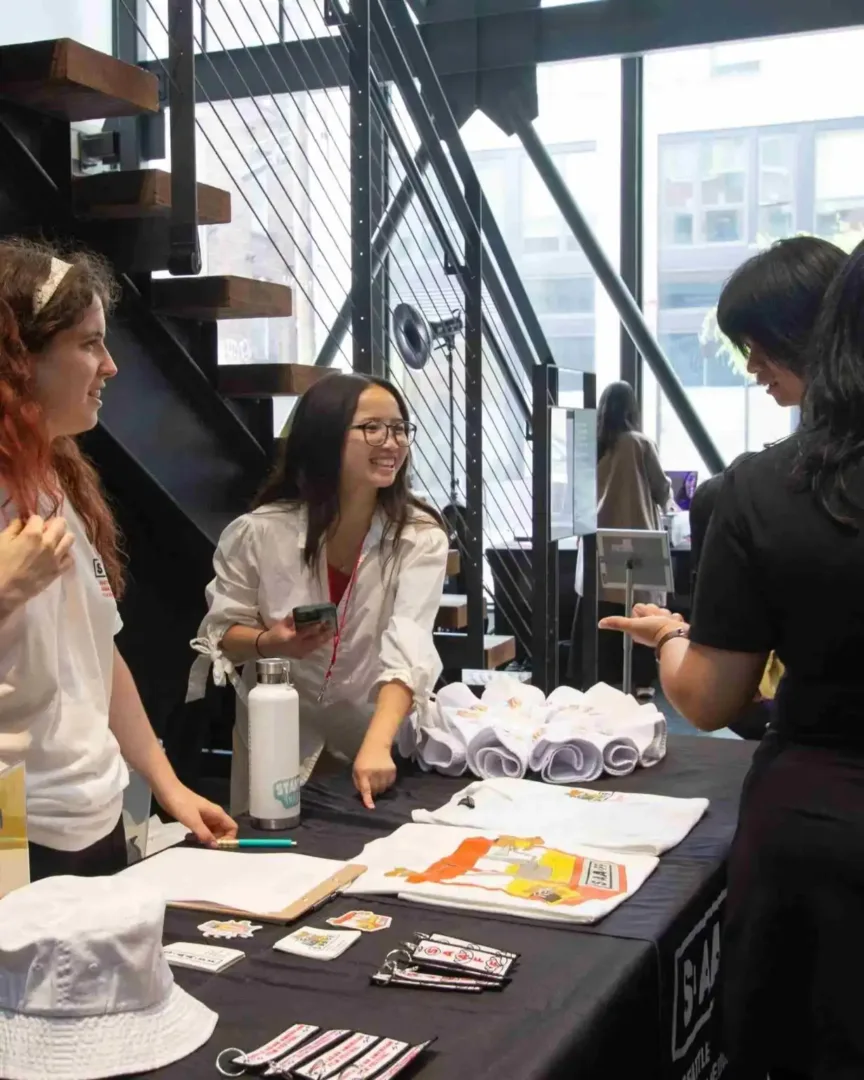
Every time I visit the Wing Luke Museum at 719 S King Street, I discover something new about Asian American history. This isn’t your typical museum—it’s a National Historic Landmark housed in the beautifully restored East Kong Yick Building from 1910.
The museum tells the story of Asian Pacific Americans in the Pacific Northwest through immersive exhibits, preserved hotel rooms, and community-curated displays.
I particularly love the Preserving the Legacy exhibit, which showcases the neighborhood’s resilience through historical photographs and personal artifacts. The guided tours of the historic hotel rooms upstairs transport you back to the early 1900s when Filipino and Chinese immigrants lived in tiny boarding rooms. The museum hosts rotating exhibits on everything from Japanese American internment to contemporary Asian American art.
2. Hing Hay Park
- Details: Open daily, free admission.
- Location: Located at 423 Maynard Ave S. Best visited during community events or weekend mornings.
When I need a moment of tranquility amid the urban energy, I head to Hing Hay Park at the corner of South King Street and Maynard Avenue South. This small but significant public space serves as the community’s living room—where elderly residents practice tai chi in the mornings, families gather on weekends, and cultural festivals unfold throughout the year.
The park’s centerpiece is the striking red-and-gold pavilion, a gift from Seattle’s sister city Taipei. I love watching locals play xiangqi (Chinese chess) at the stone tables while the dragon sculptures on nearby lampposts watch over everything.
The park recently underwent renovations that improved accessibility while maintaining its cultural character. During Lunar New Year, the park explodes with lion dances, drums, and hundreds of community members celebrating together.
3. Historic Chinatown Gate
- Details: Located at intersection of S King St and 5th Ave S. Accessible 24/7, free. Allow 10-15 minutes for photos and appreciation.
The 45-foot-tall Historic Chinatown Gate marks the western entrance to the neighborhood at South King Street and 5th Avenue South. Unveiled in 2008, this steel and plaster paifang represents the community’s resilience and pride. I always start my International District Seattle walking tours here because it sets the tone for understanding the neighborhood’s significance.
The gate features traditional Chinese architectural elements with intricate designs and bold red coloring. Standing beneath it, you can read the Chinese characters that welcome visitors to this historic district.
The gate is particularly stunning at night when it’s illuminated, casting a warm glow over King Street. It’s become an iconic photo spot, but it’s more than Instagram-worthy—it symbolizes a community that has fought to maintain its identity through decades of displacement and urban development.
4. Uwajimaya Asian Grocery Store
- Details: Open daily 9 AM – 10 PM.
- Cost: Free admission (shopping destination).
- Location: Located at 600 5th Ave S. Allow 1-2 hours for browsing. Food court cash and card accepted.
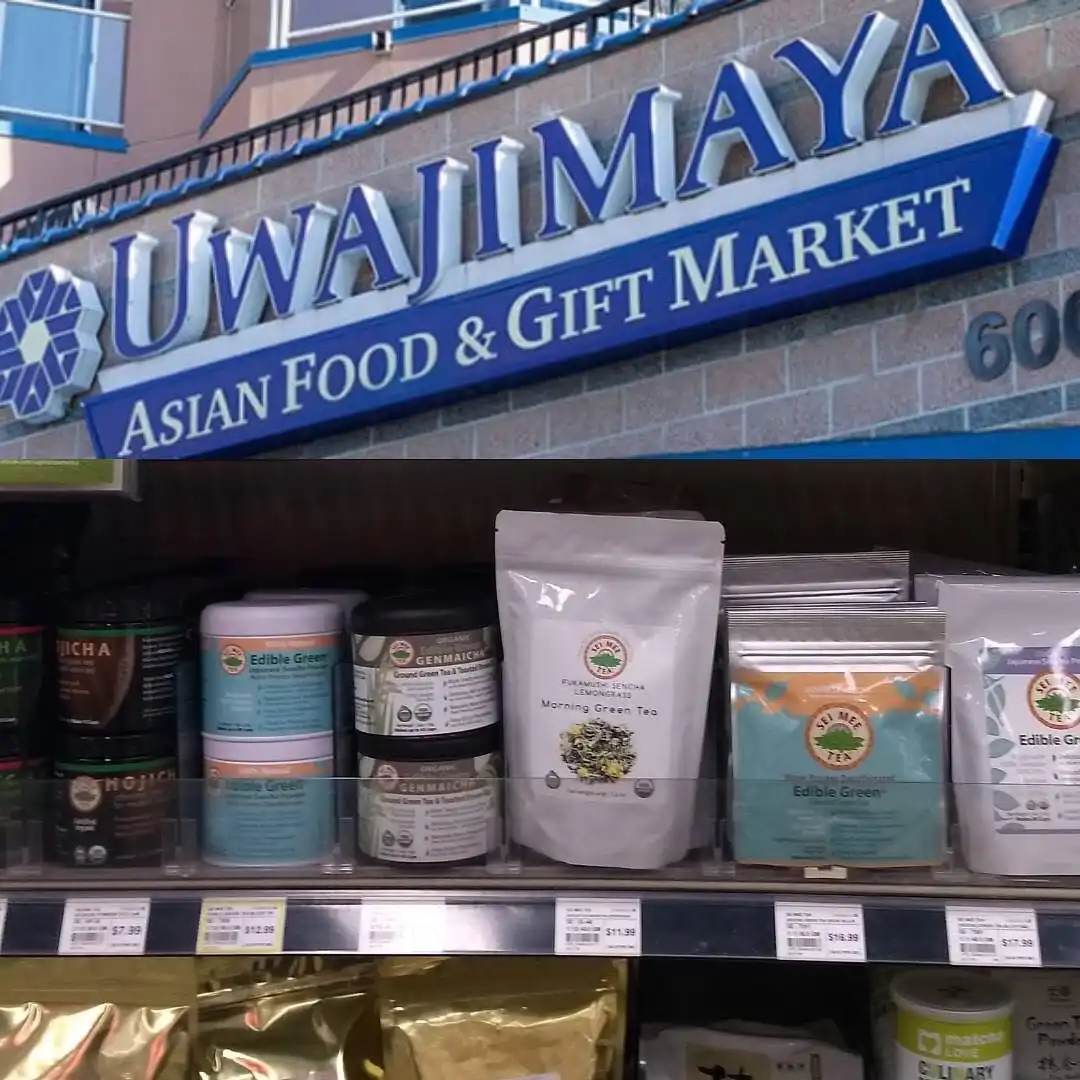
Uwajimaya at 600 5th Avenue South is more than a grocery store—it’s a 30,000-square-foot wonderland of Asian food and culture. Every visit feels like an adventure as I navigate aisles packed with ingredients I’ve never seen elsewhere in Seattle. The store originated as a small Japantown shop in the 1920s and has grown into the largest Asian grocery in the Pacific Northwest.
I spend most of my time in the fresh seafood section, where you’ll find live geoduck clams, whole red snappers, and every variety of fish imaginable. The produce section stocks exotic fruits like dragon fruit, durian, and rambutan.
The Japanese section has an incredible selection of mochi, pocky, and sake, while the Korean aisle features authentic kimchi and gochujang. Don’t miss the food court upstairs with multiple Asian cuisines available.
The housewares department sells everything from rice cookers to traditional tea sets. I’ve purchased authentic Japanese knives, Korean stone pots, and Chinese woks here. The deli counter prepares fresh sushi, poke bowls, and bento boxes that rival many restaurants.
5. Panama Hotel Tea & Coffee House
- Details: Tea house open daily, hours vary. Free to visit tea house (purchases encouraged). Basement viewing through floor panels, no separate admission.
- Location: Located at 605 S Main St. Allow 30-45 minutes.
The Panama Hotel at 605 South Main Street holds a powerful piece of Seattle history. This 1910 building served as temporary housing for Japanese Americans forced into internment camps during World War II. Many families stored their belongings in the hotel’s basement, expecting to return. Those possessions remain there today, preserved as a National Treasure.
I always bring visitors to the tea house on the ground floor, where owner Jan Johnson has created a space that honors this history. Through glass floor panels, you can peer down into the basement storage area and see the actual belongings left behind—trunks, photographs, and personal items frozen in time. The tea house serves excellent Japanese teas, coffee, and light snacks in a contemplative atmosphere.
The walls display historical photographs and information about Japanese American internment. It’s a sobering reminder of this dark chapter in American history, but also a testament to resilience. The hotel still operates upstairs as a hostel, maintaining its historical character with period furnishings.
6. Little Saigon District
- Location: Centered on 12th Ave S and S Jackson St.
- Cost: Free to explore.
- Best Time to Visit: Best visited during lunch or dinner hours. Allow 1-2 hours for walking and dining.
East of Interstate 5 along 12th Avenue South lies Little Saigon, Seattle’s vibrant Vietnamese community. Established after the fall of Saigon in 1975, this area became home to Vietnamese refugees and immigrants who built thriving businesses.
I love exploring this section of International District Seattle because it feels distinctly different from Chinatown and Japantown—the street signs feature Vietnamese translations, and the aromas of pho and banh mi fill the air.
The heart of Little Saigon centers around 12th Avenue South and South Jackson Street. Here you’ll find Vietnamese restaurants, jewelry shops, hair salons, and markets catering to the community. I always stop at one of the pho restaurants for a steaming bowl of the soup that transformed Seattle’s culinary scene in the 1980s.
The neighborhood faces challenges from gentrification and displacement, but community organizations work tirelessly to preserve its character. During the annual Celebrate Little Saigon event, the streets come alive with traditional music, dance performances, and food vendors celebrating Vietnamese culture.
7. Kobe Terrace Park
- Details: Open daily dawn to dusk, free admission.
- Location: Located at 650 S Main St. Steep uphill walk from International District. Allow 30-45 minutes.
Hidden on a hillside between the International District and First Hill, Kobe Terrace Park at 650 South Main Street offers stunning views and Japanese-inspired landscaping. This peaceful 1-acre park commemorates Seattle’s sister-city relationship with Kobe, Japan. I often escape here when I need a break from the busy streets below.
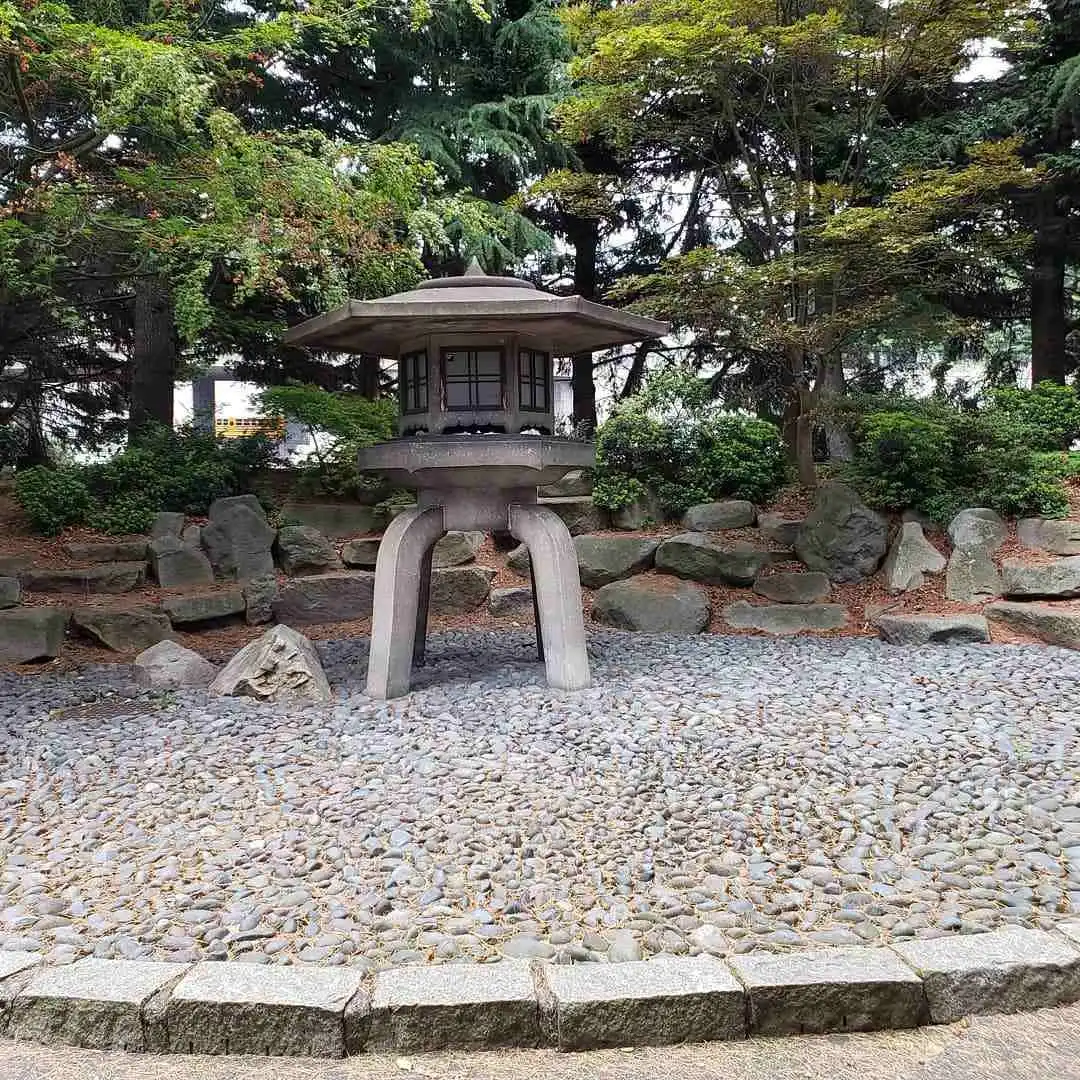
The park’s most striking feature is the 200-year-old Yukimi stone lantern, a gift from Kobe that stands prominently near the entrance. The landscaping incorporates Japanese design principles with carefully placed rocks, sculpted trees, and winding pathways. Cherry trees bloom spectacularly in spring, drawing photographers and nature lovers.
The viewpoint overlooks Elliott Bay, downtown Seattle, and the Cascade Mountains on clear days. I’ve watched countless sunsets from these benches, and it never gets old. The park connects to the Danny Woo International District Community Gardens below, where elderly residents tend over 100 garden plots on steep hillside terraces.
8. Chinatown Heritage Walking Tour
- Details: Tours offered by Chinatown-International District Preservation and Development Authority and private companies.
- Cost: $25-45 per person. 1.5-2.5 hours. Advance booking recommended.
Understanding the International District Seattle’s complex history requires more than just wandering—it demands context. Several organizations offer guided walking tours that illuminate stories you’d otherwise miss. I’ve taken multiple tours and always learn something new about the Chinese Exclusion Act, the Seattle Riot of 1886, or the neighborhood’s three relocations.
The tours typically cover significant buildings like the Kong Yick buildings, explain the bilingual street signs (with Chinese, Japanese, and Vietnamese translations), and share personal stories of resilience and community building. Guides point out architectural details, hidden courtyards, and historic sites marked by small plaques.
Tours usually include the Historic Chinatown Gate, Hing Hay Park, and portions of Japantown and Little Saigon. Some tours incorporate food tastings at local restaurants. The best guides are community members with personal or family connections to the neighborhood’s history.
9. Seattle Pinball Museum
- Details: Open Wednesday-Monday, hours vary seasonally (typically 12 PM – 9 PM).
- Admission: $15 adults, reduced rates for children.
- Location: Located at 508 Maynard Ave S. Allow 1-2 hours.
At 508 Maynard Avenue South, the Seattle Pinball Museum provides unexpected entertainment in the heart of the International District. This isn’t just a museum—it’s a fully playable arcade featuring over 50 vintage and modern pinball machines. I love bringing friends here after dim sum for competitive pinball tournaments.
Pay one admission fee and play unlimited games on machines dating from the 1960s to current releases. The collection includes classics like Medieval Madness, The Addams Family, and newer games like Godzilla and Mandalorian. Owner Adam Tjoelker maintains the machines meticulously and provides fascinating information about pinball history.
The museum occupies a historic building and maintains a quirky, nostalgic atmosphere. It’s popular with both serious pinball enthusiasts and casual players. I appreciate how it adds diversity to the neighborhood’s attractions—not everything needs to be culturally specific to belong in the International District.
10. Union Station
- Details: Main hall accessible during business hours (generally weekdays 8 AM – 5 PM). Free admission.
- Location: Located at 401 S Jackson St. Allow 15-20 minutes.
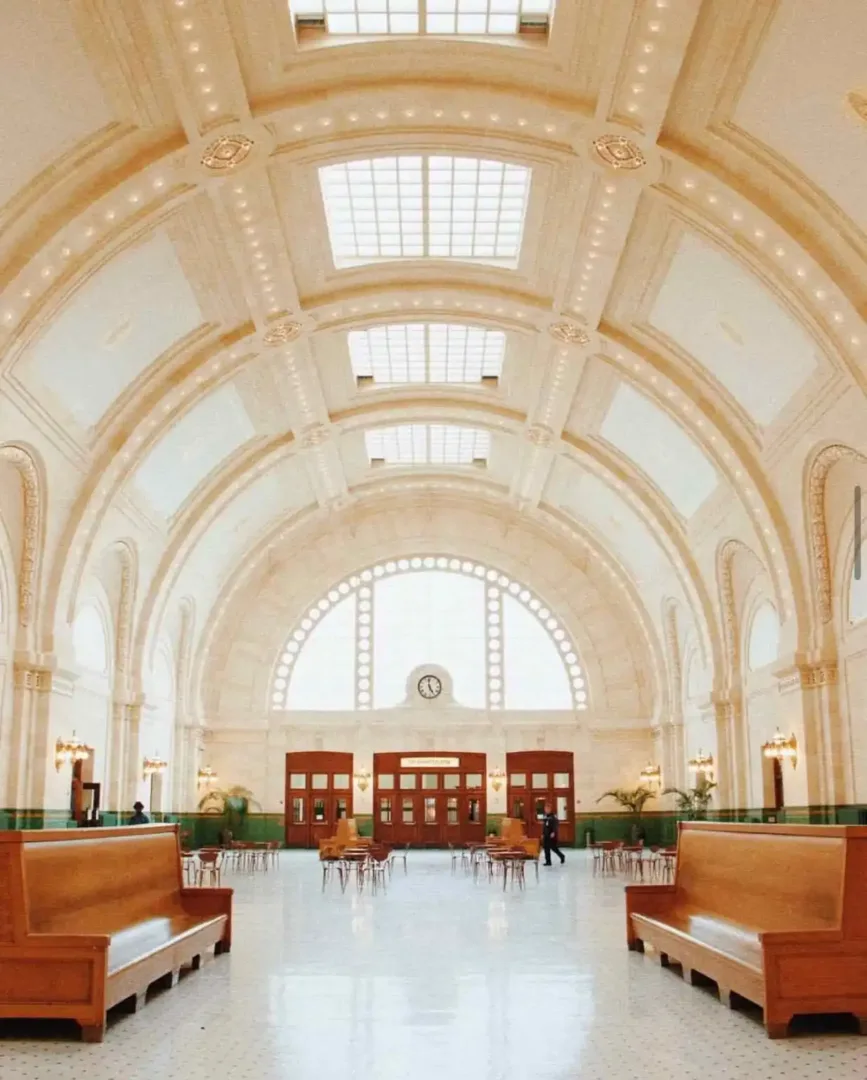
Though technically on the edge of the International District Seattle, Union Station at 401 South Jackson Street represents an important part of the neighborhood’s story. This magnificent 1911 Beaux-Arts building served as Seattle’s main train station until 1971. The grand waiting room with its barrel-vaulted ceiling and marble details takes my breath away every time I visit.
Today, Union Station houses Sound Transit offices, but the public can enter the main hall during business hours. I recommend stepping inside to appreciate the restoration work and imagine the thousands of immigrants who arrived here, many destined for the nearby International District. The building hosted Bruce Lee’s funeral in 1973, cementing its connection to Asian American history.
The station sits at a controversial location—Sound Transit’s proposed light rail expansion would potentially tunnel underneath, threatening nearby historic buildings and businesses. Community activists have rallied to protect the neighborhood from further displacement.
11. Chinatown Night Market
- Details: Typically held 3-4 times per summer/fall, evenings 5 PM – 10 PM.
- Cost: Free admission. Food and merchandise purchased separately.
- Date: Check CIDBIA website for specific dates.
- Location: Located on S King St between Maynard and 8th Ave.
During summer and early fall, the Chinatown Night Market transforms South King Street into a vibrant celebration of Asian American culture.
I circle this event on my calendar every year because it captures the neighborhood’s energy and diversity in one evening. The market features over 70 vendors selling everything from handmade jewelry to vintage clothing.
Food vendors represent the full spectrum of Asian cuisine—Chinese jianbing, Filipino lumpia, Japanese takoyaki, Korean corn dogs, and Vietnamese banh mi. I usually arrive hungry and work my way through multiple tastings. Local restaurants set up outdoor booths alongside home cooks sharing family recipes.
The market includes live music, cultural performances, and activities for all ages. It’s an explicitly pan-Asian event that reflects the International District’s diverse identity. The atmosphere is festive, family-friendly, and distinctly Pacific Northwest with its embrace of street food culture.
12. Tai Tung Restaurant
- Timing: Open daily 10 AM – 12 AM.
- Cost: Entrees $12-20.
- Location: Located at 655 S King St. Cash and cards accepted. No reservations needed except for large groups.
At 655 South King Street, Tai Tung has served Cantonese cuisine since 1935, making it one of Seattle’s oldest Chinese restaurants. Bruce Lee ate here regularly during his Seattle years, and his favorite table is marked with a plaque. I always request that table when dining here—it adds a special connection to the legendary martial artist.
The menu features classic Cantonese dishes: sweet and sour pork, Mongolian beef, and some of the best fried rice in Seattle. I particularly enjoy their combination fried rice with char siu (barbecued pork), shrimp, and vegetables. Portions are generous, and prices remain reasonable despite the restaurant’s historical significance.
The interior hasn’t changed much in decades—red vinyl booths, Chinese lanterns, and a no-frills atmosphere that prioritizes food over ambiance. It’s exactly what I want from a neighborhood institution: authentic, affordable, and unpretentious. The staff remembers regular customers, and you’ll likely see elderly Chinese residents dining alongside tourists and Bruce Lee fans.
13. Hau Hau Market
- Timing: Open daily 8 AM – 8 PM.
- Cost: Free admission (shopping destination). Mostly cash, some cards accepted. Allow 30 minutes to browse.
- Location: Located at 412 12th Ave S.
For authentic Vietnamese groceries and prepared foods, Hau Hau Market at 412 12th Avenue South is my go-to destination. This smaller market in the heart of Little Saigon specializes in Vietnamese products you won’t find at larger Asian supermarkets. The fresh produce section always stocks essential Vietnamese herbs like rau ram (Vietnamese coriander), ngo gai (sawtooth coriander), and la lot (betel leaves).
The deli counter prepares fresh banh mi sandwiches—crispy baguettes filled with grilled pork, pate, pickled vegetables, and fresh cilantro. I grab one for lunch at least twice a month. They also sell ready-to-eat Vietnamese dishes like thit kho (braised pork), com tam (broken rice plates), and various noodle salads.
The frozen section carries hard-to-find ingredients for Vietnamese cooking: banana leaves, tapioca pearls, and specialty meats. Staff members speak Vietnamese and provide helpful cooking advice if you’re attempting traditional recipes at home. The market reflects the neighborhood’s authentic character—it serves the Vietnamese community first, with tourists as a welcome addition.
14. Maneki Restaurant
- Timing: Open Tuesday-Saturday, 5:30 PM – 10 PM.
- Cost: Sushi rolls $8-15, entrees $15-25. Cash and cards accepted.
- Location: Located at 304 6th Ave S. Reservations strongly recommended.
Maneki at 304 6th Avenue South claims the title of oldest sushi restaurant in Seattle, operating since 1904. This Japantown institution survived Japanese American internment by storing its furniture and reopening after the war. Eating here feels like dining in someone’s home—intimate, unpretentious, and focused entirely on quality food.
The restaurant in International District Seattle occupies a small space with traditional low tables and tatami seating available (though they also have regular tables). I love the authentic Japanese atmosphere—this isn’t trendy fusion sushi but rather traditional preparations perfected over generations. The sushi is excellent, but don’t overlook their cooked dishes like chicken teriyaki, tempura, and udon noodles.
Reservations are essential, especially on weekends. The restaurant has a devoted following of regulars who’ve been coming for decades. Service is warm and personal, with servers who remember returning customers. It’s one of the few remaining links to Seattle’s once-thriving Japantown.
15. Tsue Chong Company
- Details: Tours available by appointment, Monday-Friday.
- Cost: Free admission.
- Location: Located at 801 S King St. Call ahead to confirm tour availability: (206) 623-0801. Allow 30-45 minutes.
Watching fortune cookies being made at Tsue Chong Company, 801 South King Street, is a surprisingly mesmerizing experience. This family-owned factory has produced fortune cookies since 1917, and they offer free tours showing the entire manufacturing process. I’ve brought countless out-of-town visitors here because it’s both educational and delicious.
The tour explains how fortune cookie batter is poured onto hot griddles, folded by hand while still warm, and filled with fortunes. You’ll see workers demonstrating the technique that requires speed and heat resistance. The factory also produces almond cookies, vanilla wafers, and other Asian American treats.
The gift shop sells fresh fortune cookies (much better than the stale ones at restaurants), custom fortune options for special events, and other Tsue Chong products. I always purchase a bag of broken fortune cookies—perfectly tasty at a discount price. The tour provides insight into this uniquely Asian American food item invented in California but perfected in Seattle.
Best Restaurants & Dining in International District Seattle
The International District offers some of Seattle’s most authentic and affordable Asian dining. After years of exploring every restaurant in the neighborhood, I’ve identified the must-try establishments that represent the area’s culinary diversity.
Dim Sum Destinations
- Jade Garden Restaurant (424 7th Ave S) serves the neighborhood’s best dim sum on weekend mornings. I arrive before 11 AM to avoid long waits for the har gow (shrimp dumplings), siu mai (pork dumplings), and char siu bao (barbecued pork buns). The cart service creates an authentic Hong Kong experience. Expect to spend $15-20 per person.
- Harbor City Restaurant (707 S King St) offers another excellent dim sum option with slightly larger space and similar pricing. Their egg custard tarts are exceptional.
Vietnamese Pho Excellence
- Pho Bac (1314 South Jackson Street) introduced Vietnamese pho to Seattle in 1982. The boat-shaped building is an International District Seattle landmark. Their pho tai (rare beef) remains the gold standard. Large bowls $12-15.
- Than Brothers (multiple locations, including 516 S King St) provides quick, affordable pho starting at $10. Perfect for lunch when you’re short on time.
Chinese Favorites Beyond Dim Sum
- Mike’s Noodle House (418 Maynard Ave S) specializes in hand-pulled noodles and Hong Kong-style dishes. I crave their dan dan noodles and salt and pepper pork chops. Entrees $12-18.
- Seven Stars Pepper (1207 S Jackson St) serves authentic Szechuan cuisine with proper heat levels. The mapo tofu and water-boiled fish are outstanding. Expect $15-25 per person.
Japanese Dining
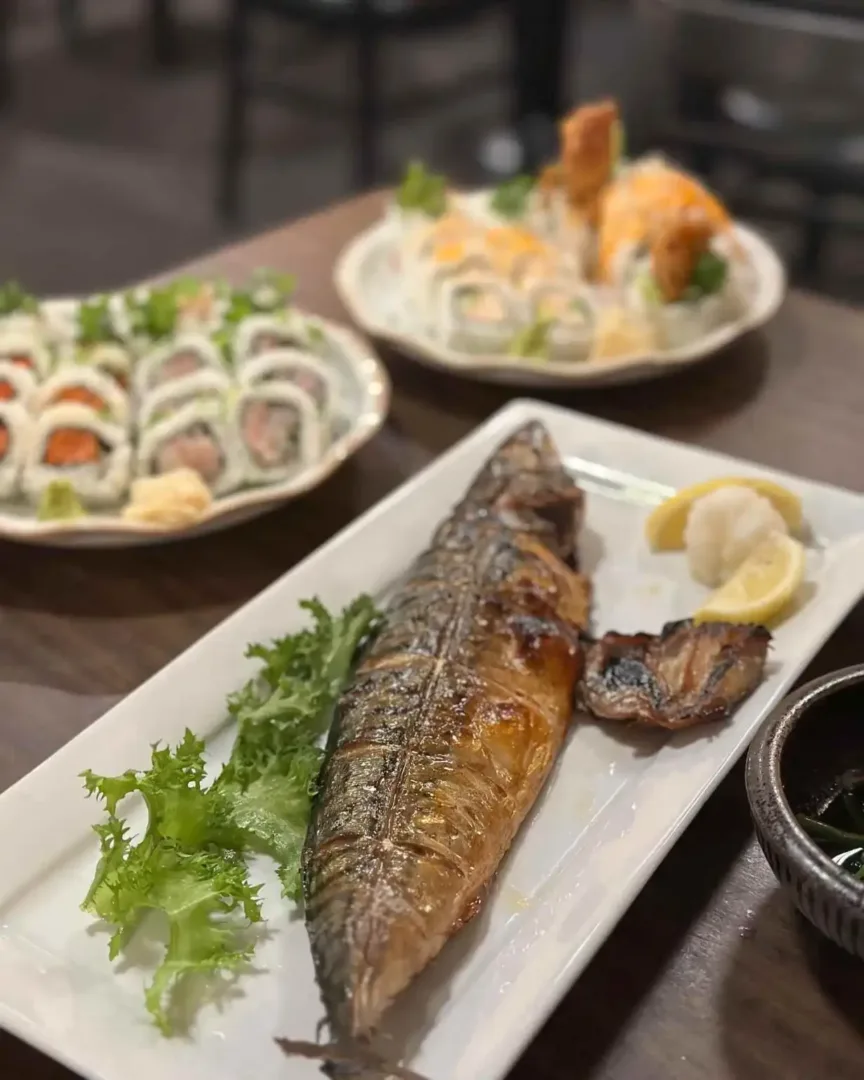
Beyond Maneki, Tsukushinbo Restaurant (515 S Main St) offers excellent izakaya-style dining with small plates perfect for sharing. The grilled mackerel and yakitori are superb. $20-35 per person.
Korean and Other Asian Cuisines
Pho So 1 (1205 S Jackson St) surprisingly offers both Vietnamese and Korean dishes. Their bibimbap rivals anything in Seattle’s Koreatown.
Bakeries and Cafes
Mochi Mochi (6009 6th Ave S, inside Uwajimaya) creates Japanese mochi with Seattle twists. I love their seasonal flavors.
Saint Bread (multiple locations, started in International District) bakes exceptional Korean-style bread and pastries. The sweet potato bread is addictive.

Restaurant Comparison Table
| Restaurant | Cuisine | Specialty | Best Time |
| Jade Garden | Chinese Dim Sum | Weekend Dim Sum | Sat-Sun 10 AM-2 PM |
| Pho Bac | Vietnamese | Classic Pho | Lunch/Dinner Daily |
| Maneki | Japanese | Traditional Sushi | Dinner Tue-Sat |
| Tai Tung | Cantonese | Fried Rice | Lunch/Dinner Daily |
| Seven Stars Pepper | Szechuan | Mapo Tofu | Dinner Daily |
| Mike’s Noodle House | Hong Kong | Hand-Pulled Noodles | Lunch/Dinner Daily |
Shopping & Local Businesses in International District Seattle Neighborhood
The International District Seattle offers shopping experiences you won’t find elsewhere in Seattle. I’ve discovered incredible finds at these neighborhood businesses that blend traditional Asian goods with contemporary Pacific Northwest style.
- Kinokuniya Bookstore inside Uwajimaya stocks Japanese books, manga, stationery, and gifts. I spend hours browsing their collection of Japanese design magazines and art books. They carry items like decorative washi tape, fountain pens, and unique greeting cards.
- Pink Godzilla (568 S Jackson St) specializes in retro video games and Japanese pop culture merchandise. This quirky shop sells vintage gaming consoles, anime figures, and rare collectibles. It’s expanded from its Capitol Hill roots to become an International District fixture.
- Kobo at Higo (604 S Jackson St) offers Japanese lifestyle goods with a focus on artisan crafts. I’ve purchased beautiful ceramics, textiles, and kitchen tools here. The shop occupies a historic building that once served the Japanese American community as a hardware store.
- Hing Hay Cooked Food (423 Maynard Ave S) sells Chinese pantry staples, teas, and cooking equipment. The staff provides excellent advice on selecting the right wok, cleaver, or tea set.
Local jewelry shops along Jackson Street offer gold and jade jewelry at competitive prices. I’ve found unique pieces here for special occasions, and the jewelers provide custom design services.
Several herb shops sell traditional Chinese medicine, dried herbs, and wellness products. These establishments maintain ancient practices while serving contemporary needs.
International District Seattle Nightlife & Entertainment Options
The International District isn’t known for wild nightlife, but it offers unique evening experiences that reflect the community’s character. After years of exploring the neighborhood at night, I’ve found spots worth visiting once the sun sets.
Bush Garden (614 Maynard Ave S)
Bush Garden has operated as a karaoke bar since 1979. This authentic Japanese karaoke spot features private rooms and a main stage. I’ve celebrated multiple birthdays here, singing off-key to supportive crowds. The atmosphere is unpretentious and welcoming, attracting diverse crowds from elderly Japanese speakers to young Asian Americans and curious visitors.
Karaoke bars
Karaoke bars scattered throughout the neighborhood offer varying experiences. Some cater specifically to Chinese, Korean, or Vietnamese clientele with song selections in multiple languages.
Late-night dining is the International District’s primary nighttime draw. Many restaurants stay open until midnight or later, serving post-bar crowds and third-shift workers. I often end evenings at Tai Tung (open until midnight) or one of the pho restaurants for late-night noodles.
Safety considerations:
The International District Seattle faces challenges with homelessness and occasional crime, particularly late at night. I recommend staying on well-lit main streets (King, Jackson, Maynard), traveling in groups after 10 PM, and being aware of surroundings. The neighborhood is generally safe during daylight hours and early evening.
International District Seattle Parks & Outdoor Spaces
Beyond Hing Hay Park and Kobe Terrace, the International District includes several outdoor spaces that provide respite from urban density.
Danny Woo International District Community Gardens
This park cascade down the hillside below Kobe Terrace. These terraced gardens allow elderly residents to grow vegetables, maintaining connections to agrarian traditions. Walking through the gardens provides stunning views of downtown Seattle and Elliott Bay. The gardens aren’t officially open to the public, but respectful visitors can walk the pathways during daylight hours.
Dr. Jose Rizal Park
This park technically sits in Beacon Hill but borders the International District Seattle. This 9.6-acre park offers expansive views, a bridge visible from I-5, and picnic areas. I come here for afternoon walks and photography, especially at sunset when the city skyline glows.
Freeway Park
Freeway Park connects downtown to First Hill and sits north of the International District Seattle. While not culturally specific to the Asian community, this concrete park built over I-5 offers interesting brutalist architecture and fountain features.
The International District itself serves as an outdoor museum. Walking the streets, you’ll discover dragon sculptures on lampposts along Jackson Street, bilingual street signs marking the three neighborhoods, and historical plaques explaining significant sites. I treat every walk as an opportunity to notice new details.
International District Seattle Local Culture & Community
What makes the International District special isn’t just its restaurants and shops—it’s the living community that maintains Asian American culture across generations. Through my years exploring this neighborhood, I’ve witnessed how residents preserve heritage while adapting to Seattle’s rapid changes.
The community’s resilience defines the International District’s identity. This is Seattle’s third Chinatown, established after Chinese residents were displaced twice before. Japanese Americans rebuilt after internment. Vietnamese refugees created thriving businesses after fleeing war. This history of overcoming adversity permeates the neighborhood’s spirit.
- Family associations and tongs continue operating in historic buildings, providing social services, cultural programming, and community connections. These organizations maintain traditions brought from Asia while supporting immigrants adjusting to American life.
- Intergenerational connections are visible everywhere. I often see elderly residents chatting on benches, practicing tai chi in parks, or shopping at markets alongside young Asian American professionals who’ve moved to Seattle from elsewhere. The neighborhood serves as a cultural anchor for the broader Puget Sound Asian community.
- Cultural pride manifests in bilingual street signs, architectural details incorporating Chinese design elements, and community resistance to displacement. When Sound Transit proposed running light rail through the heart of the neighborhood, residents organized under “Transit Equity for All” to protect their third and final Chinatown.
- Annual festivals bring the community together: Lunar New Year celebrations fill Hing Hay Park with lion dances and firecrackers. Dragon Fest showcases pan-Asian American culture. The Night Market celebrates the neighborhood’s diversity. Celebrate Little Saigon honors Vietnamese heritage. These events welcome everyone while centering Asian American experiences.
Where to Stay in International District Seattle Neighborhood?
The International District offers limited hotel options, but staying nearby provides authentic experiences and easy access to the neighborhood’s attractions.
Panama Hotel (605 S Main St)
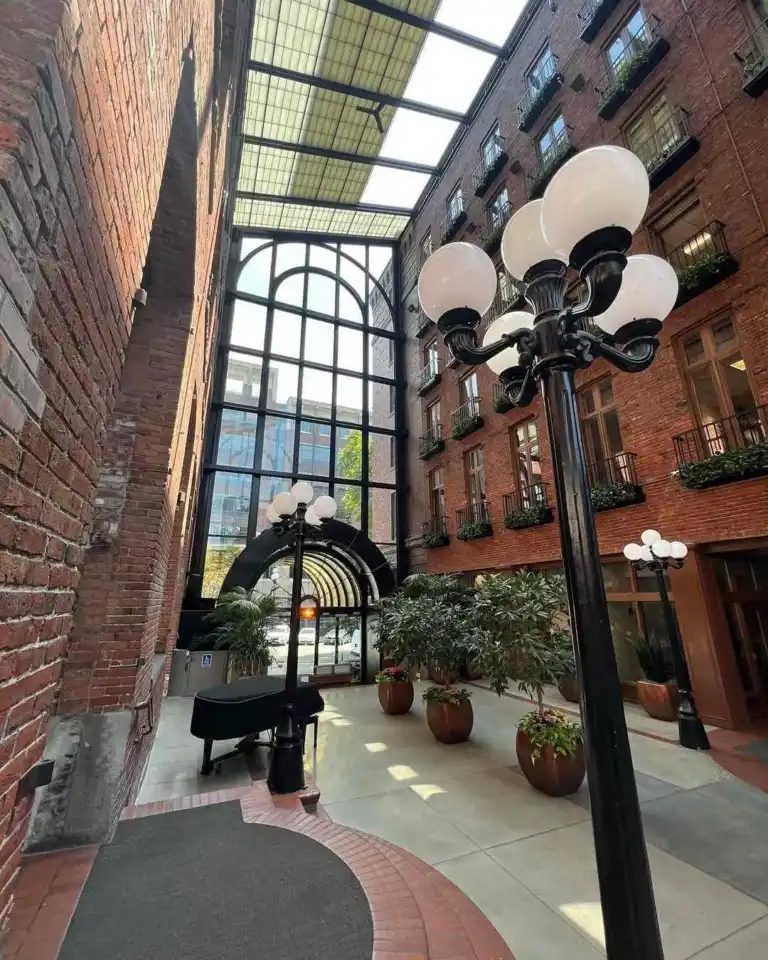
This hotel offers the most historically significant lodging—a hostel-style accommodation in the 1910 building where Japanese Americans stored belongings during internment. Rooms are simple but charming, with shared bathrooms and period details. Rates start around $60-80 per night for hostel beds.
Most visitors stay in nearby downtown Seattle hotels and walk or take light rail to the International District. The Hotel Intergate Seattle and other downtown properties sit within 10-15 minutes walking distance.
Airbnb Options
These options exist in and around the International District Seattle, though availability varies. Staying in the neighborhood puts you close to dim sum breakfasts and late-night pho, but you’ll hear urban noise and experience the neighborhood’s grittier realities.
Who should stay here: Budget travelers, cultural enthusiasts, and visitors who want authentic Seattle experiences over luxury accommodations. The International District isn’t a resort neighborhood—it’s a working community that happens to welcome visitors.
International District One Day Itinerary
Half-Day Morning Exploration (4 hours)
- 9:00 AM: Arrive via light rail at International District/Chinatown station. Walk to Jade Garden for dim sum breakfast. Order har gow, siu mai, char siu bao, and congee.
- 10:30 AM: Walk to Historic Chinatown Gate for photos, then explore Hing Hay Park and watch morning tai chi practitioners.
- 11:00 AM: Visit Wing Luke Museum. Take guided tour of historic hotel rooms and explore exhibits on Asian American history.
- 1:00 PM: Browse Uwajimaya, purchasing snacks and admiring the seafood selection. Grab lunch at the food court or save room for pho later.
Full-Day Deep Dive (8 hours)
- 9:00 AM: Dim sum at Jade Garden or Harbor City Restaurant
- 10:30 AM: Walk through Chinatown, noting dragon sculptures and bilingual street signs
- 11:00 AM – 1:00 PM: Wing Luke Museum with guided tour
- 1:15 PM: Lunch at Pho Bac or Mike’s Noodle House
- 2:30 PM: Visit Panama Hotel tea house, view basement storage through floor panels
- 3:15 PM: Walk to Little Saigon, explore 12th Avenue South shops and markets
- 4:00 PM: Hike up to Kobe Terrace Park for views and cherry blossoms (seasonal)
- 5:00 PM: Browse Uwajimaya and Kinokuniya Bookstore
- 6:30 PM: Dinner at Maneki (reservation required) or Seven Stars Pepper
- 8:00 PM: Karaoke at Bush Garden or evening stroll through illuminated streets
Evening/Nightlife Focus (4 hours)
- 6:00 PM: Early dinner at Tai Tung at Bruce Lee’s favorite table
- 7:30 PM: Seattle Pinball Museum for unlimited vintage gaming
- 9:00 PM: Karaoke at Bush Garden with private room
- 11:00 PM: Late-night pho at 24-hour Vietnamese restaurant
Backup Indoor Options
Seattle weather can be unpredictable. If rain dampens outdoor plans, focus on indoor attractions: Wing Luke Museum (2-3 hours), Uwajimaya shopping and food court (1-2 hours), Seattle Pinball Museum (1-2 hours), extended restaurant meals, and browsing shops along Jackson Street. The covered walkways along some streets provide partial rain protection.
Practical Information for Visiting International District Seattle
Parking Tips and Costs
Parking in the International District can be challenging during peak hours. I’ve learned to navigate the options through trial and error:
Best parking options:
- Uwajimaya parking garage (600 5th Ave S): $2 first hour, $1 each additional hour, $8 daily maximum. Validation available with purchases.
- Union Station parking lot: $10-15 daily rates, located at edge of neighborhood
- Street meters: $1.50-3 per hour, enforced Monday-Saturday 8 AM – 8 PM. Two-hour limits in most areas.
- Residential street parking: Free but limited availability, watch for posted restrictions
I recommend taking public transit when possible. The light rail costs $2.25-3 depending on distance, and you’ll avoid parking stress entirely.
Safety Considerations
The International District is generally safe during daytime and early evening hours. However, the neighborhood faces challenges that visitors should understand:
- Daytime safety: I feel completely comfortable walking throughout the neighborhood during business hours. Stick to main streets (King, Jackson, Maynard, 12th Avenue) where businesses and foot traffic provide natural security.
- Evening considerations: After dark, the neighborhood becomes quieter with fewer people on streets. I recommend traveling in groups after 10 PM, staying on well-lit main thoroughfares, and being aware of surroundings.
- Homeless encampments: The neighborhood has experienced increased homelessness in recent years. While most unhoused individuals pose no threat, use common sense—don’t leave valuables visible in cars, keep belongings secure, and trust your instincts about situations that feel uncomfortable.
- Recent challenges: Some businesses have closed citing safety concerns and declining foot traffic. The community works actively to address these issues while supporting vulnerable populations.
Restroom and WiFi Availability
Public restrooms:
- Uwajimaya (customer-friendly, clean facilities)
- Wing Luke Museum (for visitors)
- Hing Hay Park (public restrooms, variable condition)
- Restaurants when making purchases
WiFi access:
- Most cafes and restaurants offer free WiFi to customers
- Uwajimaya provides WiFi for shoppers
- Wing Luke Museum has WiFi for visitors
- Panama Hotel tea house offers WiFi
Family-Friendly and Accessibility Notes
Family-friendly highlights:
- Seattle Pinball Museum (kids love the vintage games)
- Uwajimaya food court (diverse options for picky eaters)
- Hing Hay Park (playground equipment)
- Wing Luke Museum (engaging exhibits for older children)
- Dim sum restaurants (interactive cart service appeals to kids)
Accessibility considerations:
- Most main streets have curb cuts and accessible sidewalks
- Several restaurants occupy older buildings with stairs and no elevators
- Wing Luke Museum is fully accessible with elevator
- Uwajimaya is wheelchair accessible
- Kobe Terrace Park requires steep uphill walk, challenging for mobility issues
- Light rail station has elevators and is fully accessible
The International District’s older building stock means some businesses lack modern accessibility features. Call ahead to confirm accessibility for specific restaurants or shops if needed.
Why the International District Matters: A Personal Reflection
Every time I visit the International District, I’m reminded that this neighborhood represents something bigger than restaurants and tourist attractions. This is Seattle’s living connection to Asian American history—a community that has survived displacement, discrimination, internment, and urban development pressures that would have destroyed less resilient neighborhoods.
The International District Seattle tells a uniquely American story. Chinese immigrants arrived in the 1860s and were violently expelled in 1886. They returned and rebuilt, only to be displaced twice more by urban development.
Japanese Americans created a thriving Japantown, lost everything to internment during World War II, and returned to rebuild with diminished numbers. Vietnamese refugees arrived after the fall of Saigon and established Little Saigon against considerable odds. Filipino workers built Manilatown, though it’s now largely absorbed into the broader community.
Walking these streets, eating in these restaurants, and supporting these businesses isn’t just tourism—it’s participating in cultural preservation. When you spend money at family-owned restaurants and shops, you’re helping ensure that this community survives another generation despite skyrocketing rents and development pressures.
The neighborhood faces existential threats. Sound Transit’s proposed light rail construction could destroy historic buildings and displace businesses during years of construction. Gentrification pressures push out longtime residents who can no longer afford rising rents. Homelessness and public safety challenges have driven some businesses to close.
Yet the community persists with remarkable determination. Activists organize to protect the neighborhood. Young Asian Americans move here to reconnect with cultural roots. New immigrants continue arriving and opening businesses. The International District evolves while maintaining its essential character as the heart of Seattle’s Asian American community.
I encourage every visitor to approach this neighborhood with respect for its history and understanding of its current challenges. This isn’t a preserved historic district or manufactured tourist attraction—it’s a living, working community that graciously welcomes visitors while fighting to maintain its identity in a rapidly changing city.
Final Thoughts: Making the Most of Your International District Visit
The International District rewards those who arrive curious, respectful, and ready to step outside their comfort zones. Don’t just hit the major tourist sites—wander the side streets, peek into small shops, strike up conversations with shopkeepers (even if language barriers exist), and order unfamiliar dishes at authentic restaurants.
Bring cash, comfortable walking shoes, and an appetite for both food and cultural learning. Allow time for spontaneous discoveries—my best International District Seattle memories come from unexpected moments: watching elderly men play xiangqi at stone tables in Hing Hay Park, discovering a hidden mural in an alley, or being invited to sample unfamiliar fruits at a market stall.
Visit multiple times if possible. The neighborhood reveals itself slowly. My understanding deepened with each return visit as I learned more history, discovered new restaurants, and began recognizing familiar faces. What initially seemed like just Seattle’s Chinatown revealed itself as a complex tapestry of Asian American cultures, histories, and contemporary realities.
Support the businesses, learn the history, taste the authentic flavors, and understand that you’re experiencing something special—a neighborhood that has survived against considerable odds and continues fighting for its place in Seattle’s future.


