
Seattle Music Scene Guide: History, Top Venues & Upcoming Concerts
The first time I walked into The Crocodile on a rainy Tuesday night and felt the walls vibrate with raw guitar feedback, I understood why the Seattle music scene has become synonymous with authenticity and rebellion.
This city doesn’t just have music venues—it has sacred spaces where legends were born and where the next generation is writing their own chapter.
From the grunge explosion that put Seattle on the global map to today’s thriving indie, hip-hop, and experimental scenes, this city’s musical heartbeat never stops.
As someone who’s spent years chasing live shows across Capitol Hill, diving into record shops in Fremont, and stumbling into warehouse parties in Georgetown, I’ve learned that experiencing Seattle’s music isn’t just about the big names.
It’s about knowing which dive bar hosts the best local bands on Wednesday nights, how to get to venues without paying $40 for parking, and understanding the underground networks that keep this scene alive.
This guide covers everything music lovers need to know—the history, the venues, the festivals, and most importantly, how to actually navigate and experience Seattle all like a local.
The Roots: How Seattle Became a Music City
Seattle’s musical identity wasn’t built overnight. Long before grunge defined the Seattle music scene 90s, the city fostered jazz legends like Ray Charles and Quincy Jones, who got their starts here in the 1940s and 50s.
The city’s geographic isolation—tucked in the Pacific Northwest corner, far from Los Angeles and New York—created a unique creative bubble where artists developed distinctive sounds without industry pressure to conform.
The 1960s folk movement found fertile ground here, with coffeehouses in the University District becoming gathering spots for singer-songwriters. Jimi Hendrix, though he found fame elsewhere, was born in Seattle, and the city claims him proudly—his statue near the Seattle Center stands as a reminder of homegrown talent.
By the 1970s and 80s, punk and new wave scenes flourished in small clubs, setting the stage for what would explode into global consciousness in the early 90s.
Geography and Community Shape Sound
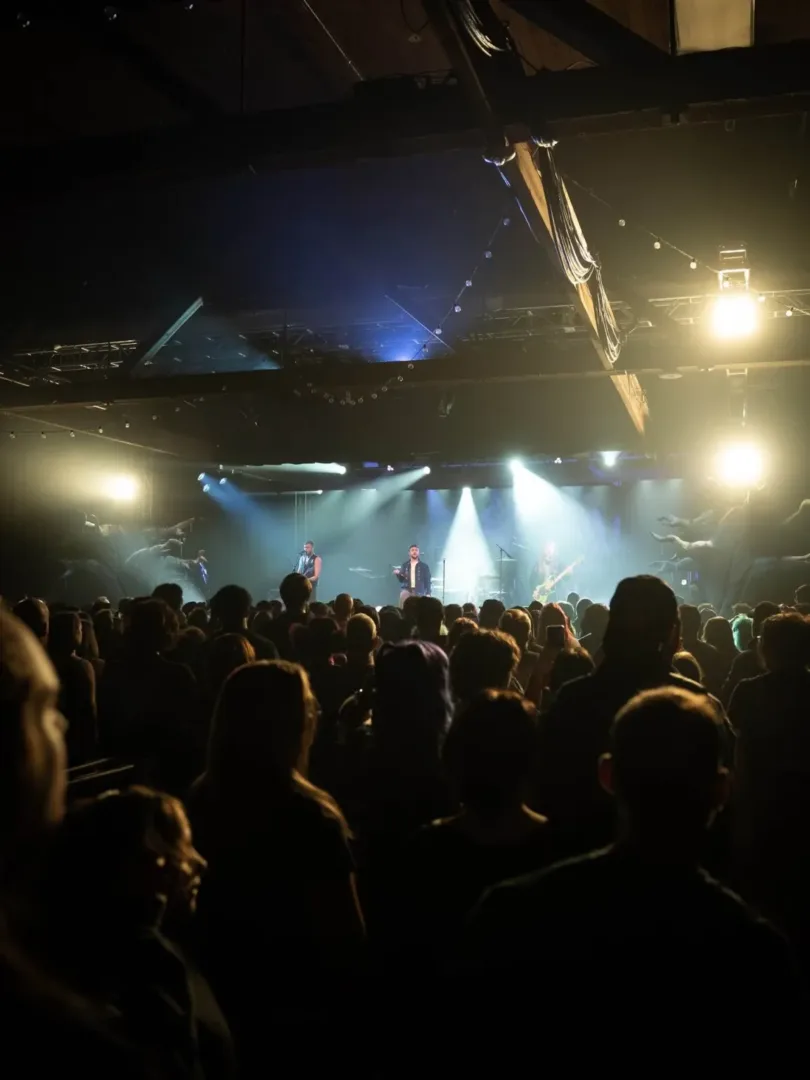
Seattle’s perpetual gray skies and rain aren’t just weather—they’re an atmosphere that seeps into the music. The long, dark winters create an introspective quality you hear in everything from grunge’s angst to the melancholic indie folk that thrives here today.
The city’s working-class roots and DIY ethos meant bands practiced in basements, played house parties, and built audiences organically rather than through industry machinery.
The tight-knit nature of the Seattle music scene meant everyone knew everyone. Musicians from different bands collaborated, shared equipment, attended each other’s shows, and pushed each other creatively.
This collaborative spirit, combined with affordable living (at least back then), allowed artists to focus on their craft without needing immediate commercial success. That freedom produced some of the most authentic and influential music of the past half-century.
Grunge: The Movement That Changed Everything
When Nirvana’s “Nevermind” hit number one in January 1992, it wasn’t just a band breaking through—it was Seattle announcing itself to the world. Grunge music in Seattle exploded from underground clubs to MTV, dragging flannel shirts, combat boots, and raw emotional honesty into mainstream consciousness.
But the movement didn’t start with major label deals; it started in tiny venues where bands like Green River, Mudhoney, and Mother Love Bone were crafting a sound that blended punk’s energy with metal’s heaviness and lyrics that rejected hair metal’s excess.
Sub Pop Records, founded in Seattle in 1986, was instrumental in defining and promoting the grunge sound. The label signed Soundgarden, Nirvana, and Mudhoney, releasing records that would become touchstones of the genre.
Meanwhile, venues like The Crocodile (opened 1991) and the original Off Ramp became breeding grounds where bands honed their craft in front of devoted local crowds before anyone outside the Pacific Northwest knew their names.
The Big Four and Beyond
Nirvana, Pearl Jam, Soundgarden, and Alice in Chains became grunge’s most commercially successful acts, but dozens of other Seattle bands contributed to the movement.
Screaming Trees, Tad, and Temple of the Dog all released defining records. The tragic aspect of grunge’s story—Kurt Cobain’s death in 1994, Andrew Wood’s earlier passing, Layne Staley’s struggles—added to the mythology but also reflected the darker undercurrents of the scene.
What made grunge music in Seattle so powerful was its rejection of rock star posturing. These weren’t bands trying to look cool or sell an image—they were expressing genuine frustration, alienation, and raw emotion.
That authenticity resonated globally and permanently altered Seattle’s identity. Today, tourists flock to Kurt Cobain’s former house in Madrona and the bench dedicated to him at Viretta Park, though locals treat these places with reverent quiet rather than spectacle.
Beyond Grunge: Seattle’s Diverse Musical Landscape
While grunge dominates the historical narrative, the Seattle music scene today is remarkably diverse. Hip-hop has deep roots here, with Sir Mix-A-Lot’s “Baby Got Back” becoming a global hit in 1992 (yes, the same year as grunge’s peak).
Macklemore and Ryan Lewis emerged from Seattle’s underground hip-hop scene to achieve massive mainstream success while maintaining local credibility. Today, artists like Porter Ray, DoNormaal, and Zaina Juliette represent the next generation of Seattle hip-hop talent.
Indie rock never disappeared after grunge faded. Death Cab for Cutie, The Postal Service, and Fleet Foxes all call Seattle home, each carving distinct sounds that owe nothing to grunge’s aesthetic.
The indie scene thrives in venues like Neumos and Barboza, where national touring acts mix with local bands on bills that showcase the city’s continued relevance in independent music.
Electronic and dance music also have strong followings, with venues like Q Nightclub and Kremwerk hosting everything from techno to experimental noise.
Jazz, Folk, and Classical Traditions
Jazz remains vibrant in Seattle, with the Earshot Jazz Festival bringing international talent every fall and local clubs like The Royal Room and Tula’s hosting world-class performances year-round.
The Seattle Jazz scene connects directly to the city’s historical roots, maintaining traditions while embracing contemporary innovations. Folk music thrives at venues like Tractor Tavern in Ballard, where singer-songwriters and Americana acts perform to attentive audiences.
Seattle Symphony at Benaroya Hall represents the city’s classical music excellence, while organizations like Town Hall Seattle bring diverse musical performances—from world music to avant-garde jazz—to audiences seeking adventurous programming.
This diversity means that regardless of your musical taste, Seattle offers world-class performances almost every night of the week.
Legendary Venues: Where Music Lives
Seattle music venues range from intimate 100-capacity clubs to massive arenas, each contributing to the ecosystem.
The Crocodile remains ground zero for rock and indie music—this is where Nirvana played one of their first Seattle shows, where Pearl Jam recorded live material, and where today’s local bands still dream of headlining.
The venue books national touring acts alongside local talent, maintaining the ethos that made it legendary. Getting there is easy via the Capitol Hill light rail station, about a 10-minute walk, with street parking notoriously difficult but nearby garages available.
Neumos, also in Capitol Hill, packs 600 people for shows ranging from punk to hip-hop to indie rock. Its upstairs lounge, Barboza, hosts more intimate performances and DJ nights.
The connected venues allow for flexible programming and have become essential stops for touring bands. Showbox, with locations at the Market (downtown near Pike Place) and in SoDo, has hosted everyone from Duke Ellington to Mudhoney over its 80+ year history.
Neighborhood Gems and Dive Bars
Tractor Tavern in Ballard is the city’s premier Americana, folk, and roots music venue, booking national acts in a 400-capacity space with excellent sound and sightlines.
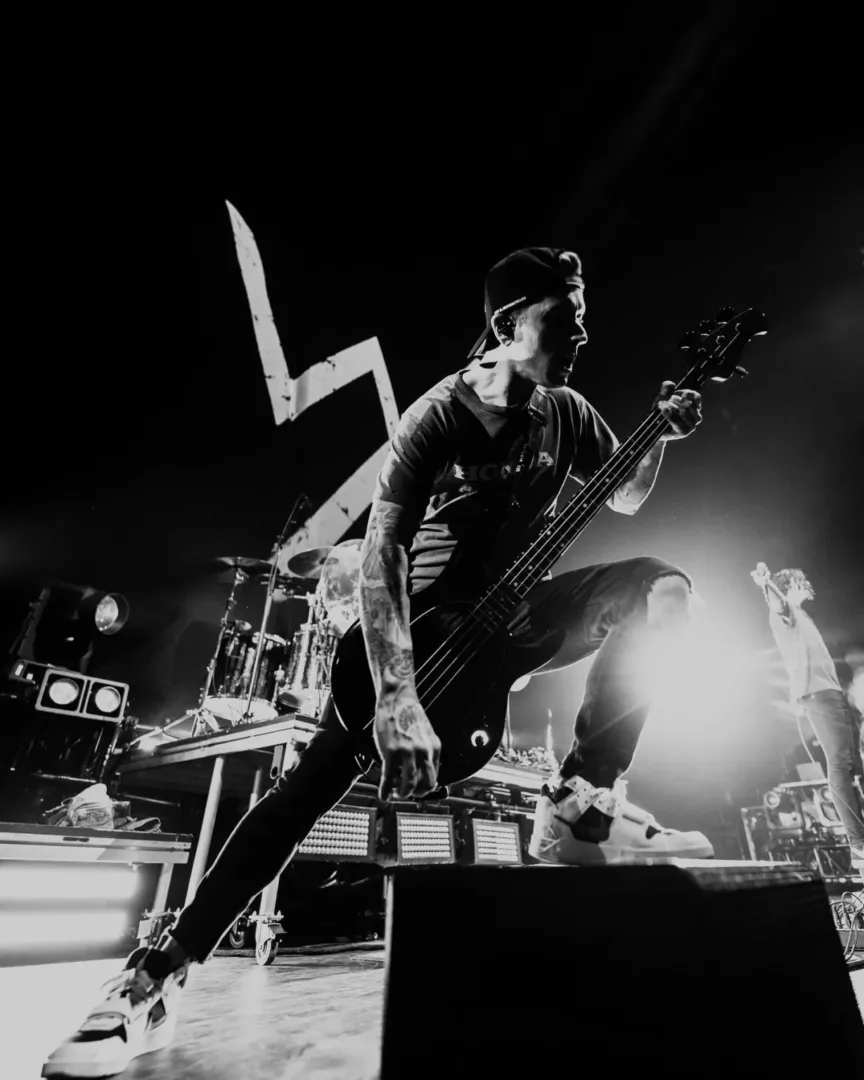
The Sunset Tavern, also in Ballard, represents the scrappy dive bar ethos—cheap beer, loud music, and bands playing inches from the audience.
These smaller venues often produce the most memorable shows because the intimacy creates a genuine connection between artists and audiences.
The Royal Room in Columbia City champions jazz and experimental music, with impeccable acoustics and a music-first philosophy (they don’t allow talking during performances).
Columbia City Theater, in the same neighborhood, blends music with theater and comedy, showcasing the Seattle arts scene’s interconnectedness. Getting to Columbia City is simple via light rail—park at any southern station and ride in, avoiding parking hassles entirely.
Accessing Venues: Transportation Tips
Most major Seattle music venues cluster in Capitol Hill, Belltown, and Ballard—neighborhoods with challenging parking but excellent transit access.
For Capitol Hill shows, take the light rail to the Capitol Hill station and walk 5-15 minutes to most venues.
Street parking requires patience and the ParkMobile or PayByPhone apps for meter payments. Ballard venues are harder via transit (bus routes from downtown take 20-30 minutes), but Uber/Lyft work well, and splitting costs with friends makes financial sense.
Downtown venues like Showbox are accessible via any bus or light rail route, with nearby parking garages charging $15-25 evenings. For SoDo venues (Showbox SoDo, stadiums for arena shows), light rail directly serves the area, and parking lots offer $10-20 rates.
My strategy for most shows: transit or rideshare there, rideshare home (late-night buses are infrequent). Budget $15-30 round-trip for transportation when planning your night—comparable to parking and way less stressful.
Music Festivals: Seattle’s Annual Celebrations
Seattle hosts dozens of music festivals annually, but a few stand out for their cultural impact and quality. Bumbershoot, held Labor Day weekend at Seattle Center, has been the city’s flagship music and arts festival since 1971.
Though it’s taken hiatuses and changed formats, when active, it brings major headliners and local acts across multiple stages. Seattle Center is accessible via monorail from downtown, bus routes, or light rail to Westlake, followed by a walk.
Capitol Hill Block Party every July transforms several blocks of Pike/Pine into an outdoor music venue with multiple stages. This festival embodies the neighborhood’s alternative spirit, booking indie rock, hip-hop, and electronic acts alongside local favorites.
Three-day passes provide all-access, and staying in the neighborhood or taking the light rail to the Capitol Hill station makes logistics simple. The festival atmosphere takes over the entire district—bars, clubs, and restaurants all participate in the celebration.
Genre-Specific Celebrations
Earshot Jazz Festival spans six weeks each October and November, presenting over 50 performances at venues citywide. It’s North America’s largest jazz festival by number of performances, bringing international legends and showcasing local talent.
Concerts happen in clubs, theaters, and concert halls, requiring different transportation strategies depending on venue—check each location’s access before booking tickets.
Folklife Festival over Memorial Day weekend at Seattle Center is free and community-focused, celebrating folk traditions from around the world.
It’s family-friendly and accessible, perfect for experiencing Seattle’s multicultural musical landscape without ticket costs.
Northwest Folklife represents the city’s commitment to preserving traditional music while remaining open to contemporary interpretations and fusions.
Festival Logistics and Planning
For major festivals, plan transportation ahead. Seattle music scene tour options exist for visiting music landmarks, but during festivals, public transit becomes essential.
Light rail, buses, and rideshare apps handle crowds reasonably well, though post-festival surges cause surge pricing and wait times.
My advice: leave slightly before the final headliner ends to beat crowds, or commit to staying late and grabbing food nearby while crowds dissipate.
Festival tickets range from free (Folklife) to $100+ per day (Bumbershoot). Single-day passes work if you’re targeting specific artists, but multi-day passes offer better value for deep dives.
Cashless payment systems dominate, so bring cards or phone payment options. Seattle weather in summer is generally reliable, but always bring a light jacket—evenings cool down significantly.
Icons and Innovators: Seattle’s Musical Legacy
Beyond the grunge big four, Seattle has produced remarkable artists across genres. Heart, the Wilson sisters’ rock band, came from Seattle and defined 1970s hard rock before reinventing themselves in the 80s.
Macklemore’s journey from underground Seattle rapper to Grammy winner exemplifies the city’s ability to nurture artists who stay true to their roots even after achieving mainstream success.
Brandi Carlile, though originally from rural Washington, is deeply embedded in the Seattle music community and represents the city’s continuing folk and Americana traditions.
Her multiple Grammy wins and collaborations with the Seattle Symphony showcase the cross-genre pollination that defines the Seattle music scene today.
Dave Matthews grew up partly in Seattle (though his band formed in Virginia), and Duff McKagan of Guns N’ Roses is a proud Seattle native who returned home and remains active in the local scene.
Emerging Artists Shaping Tomorrow
Current Seattle artists worth following include Enumclaw (indie rock with grunge undertones), Deep Sea Diver (Jessica Dobson’s project blending rock and electronic elements), and La Fonda (vintage soul meets modern production).
Hip-hop continues evolving with artists like Sam Lachow and Travis Thompson building significant local followings.
The electronic scene features innovative producers like Odesza (before they became arena-headliners) and Basecamp, who blend genres into distinctive Pacific Northwest sounds.
Finding emerging talent requires exploring beyond headliners. Attend shows at The Vera Project (all-ages DIY venue), check out open mics at Conor Byrne Pub in Ballard, and follow local music blogs like Seattle Sounds and Three Imaginary Girls.
The Seattle music scene bands making waves today might be tomorrow’s arena acts—getting in early means witnessing something special before everyone else catches on.

The Business of Music: Labels and Studios
Sub Pop Records remains Seattle’s most iconic label, though it’s no longer the scrappy independent it once was (Warner Music Group acquired 49% in the mid-’90s).
Still, Sub Pop continues signing and developing artists, maintaining its A&R reputation for discovering talent before anyone else notices.
The label’s flagship store in the Airport Way neighborhood sells exclusive releases, band merch, and Sub Pop history—worth visiting for serious music fans, though getting there requires driving or rideshare as it’s not transit-accessible.
Smaller labels like Hardly Art, Light in the Attic, and Suicide Squeeze carry on Seattle’s independent music tradition, signing local and national artists who might not fit major label molds.
These labels often throw showcases at local venues, providing opportunities to discover multiple artists in one night.
The label ecosystem supports the broader music scene by providing infrastructure for pressing records, booking tours, and handling business aspects that allow artists to focus on creating.
Recording Studios and Production
London Bridge Studio, where Pearl Jam recorded “Ten” and Soundgarden recorded “Louder Than Love,” closed in 2018, but other legendary studios remain. Robert Lang Studios in Shoreline hosted sessions for Nirvana, Foo Fighters, and countless other acts.
Today, smaller studios throughout Seattle offer affordable recording options for emerging artists, maintaining the tradition of local production rather than artists leaving for Los Angeles or Nashville.
The democratization of recording technology means many Seattle musicians produce from home studios, collaborating digitally and only booking professional studios for final mixing and mastering.
This shift has made music creation more accessible but also more competitive—quality production no longer guarantees standing out.
The Seattle music scene documentary “Hype!” captured the late-80s/early-90s explosion, and its themes about authenticity versus commercialization remain relevant as artists navigate streaming, social media, and changing industry economics.
Experiencing Seattle Music: A Practical Guide for Visitors
If you’re visiting Seattle specifically for music, timing matters. Summer offers festivals and consistent weather, but also the most tourists and the highest accommodation costs.
Fall and spring provide excellent music calendars with lower prices and fewer crowds. Winter shows have the most authentic local vibe—Seattleites don’t let rain stop them, and venues are packed with regulars rather than tourists.
Start your music exploration with a Seattle music scene tour or a self-guided walk through Capitol Hill and Belltown. Visit Elliott Bay Book Company and browse their extensive music book section, including multiple titles about the Seattle music scene book covering different eras.
Stop by Easy Street Records in Queen Anne or Sonic Boom in Ballard—both long-running independent record stores with knowledgeable staff who’ll recommend local artists based on your taste.
Museums and Historical Sites
Museum of Pop Culture (MoPOP) at Seattle Center dedicates significant space to Seattle music history, with permanent exhibits on Nirvana, Jimi Hendrix, and the Northwest music scene.
The interactive exhibits let you play instruments and understand musical concepts, making it engaging beyond just displays.
Admission is $32-38, but if you’re serious about understanding Seattle’s musical heritage, it’s worth the investment. Seattle Center is accessible via monorail, light rail to Westlake, plus a walk, or bus routes.
For grunge pilgrims, visit Kurt Cobain’s former house (don’t trespass—view from the street only) and the bench at Viretta Park, where fans leave tributes.
Linda’s Tavern on Capitol Hill is where Cobain was last seen before his death—it remains a neighborhood bar, not a shrine, so be respectful.
The crocodile-green Crocodile venue is itself a historical site, with walls covered in band stickers and posters spanning three decades.
Catching Live Shows Like a Local
Check EverOut (Seattle’s comprehensive events calendar) or Stranger listings for show schedules. Buy tickets in advance for nationally touring acts; local band shows usually accept cash at the door ($5-15).
Arrive early if you want good spots—Seattle crowds are polite but stake out positions early. Most venues are 21+ after certain hours, though some offer all-ages shows (check listings if you’re under 21 or traveling with teens).
Dress codes don’t exist at music venues—flannel, jeans, and comfortable shoes fit in perfectly. Bring cash for bar tabs and merch (many venues only accept cards at the entrance, cash at bars).
Support artists by buying merch directly from them after shows rather than online—they pocket more money, and you might get items signed.
The Seattle music scene movie “Singles” romanticized early-90s grunge culture; watching it provides context, though actual venues and experiences are grittier and more authentic than Hollywood portrayed.
Challenges and Evolution: The Scene Today
Gentrification and rising costs have dramatically impacted Seattle’s music scene. Affordable practice spaces have disappeared as industrial areas convert to tech offices and luxury condos.
Venue closures due to noise complaints from new residential developments threaten the ecosystem. The Funhouse, a beloved all-ages venue, closed in 2009. The Crocodile closed in 2007 but reopened under new ownership in 2009—a rare success story in an era of closures.
Streaming has changed how artists make money, pushing them toward constant touring rather than record sales. Seattle musicians increasingly balance day jobs with music, unable to sustain themselves through art alone like previous generations sometimes could.
The pandemic devastated live music, with venues closing permanently and artists pivoting to online streams or abandoning music entirely. Recovery has been slow, with audiences and performers cautiously returning, but the landscape has been forever changed.
Preserving and Supporting Local Music
Organizations like Seattle Music Commission advocate for musician protections, venue preservation, and cultural funding. Grassroots efforts focus on creating affordable practice spaces and protecting existing venues from development pressures.
Supporting local music means buying tickets, attending shows, purchasing merch, and streaming artists’ music—direct financial support helps artists sustain careers in an expensive city.
The Seattle music scene today adapts to challenges while maintaining its creative core. House shows and DIY spaces pop up constantly, keeping the underground ethos alive even as official venues struggle.
Social media allows artists to build audiences without traditional gatekeepers, though breaking through digital noise presents its own challenges.
The next chapter of Seattle music will look different from grunge’s heyday, but the city’s creative spirit and collaborative culture ensure music remains central to its identity.
Final Notes: Living the Music
After years of chasing shows across Seattle, I’ve learned that the Seattle music scene isn’t something you just observe—you participate in it. Strike up conversations with strangers at shows. Support the openers, not just headliners.
Explore venues outside your comfort zone and genres you wouldn’t normally choose. Some of my most memorable nights happened at shows I stumbled into randomly, where a band I’d never heard of completely rewired my understanding of what music could be.
Transportation logistics shouldn’t stop you from experiencing live music. Plan routes ahead, use apps to pay for parking or check transit schedules, and build in buffer time.
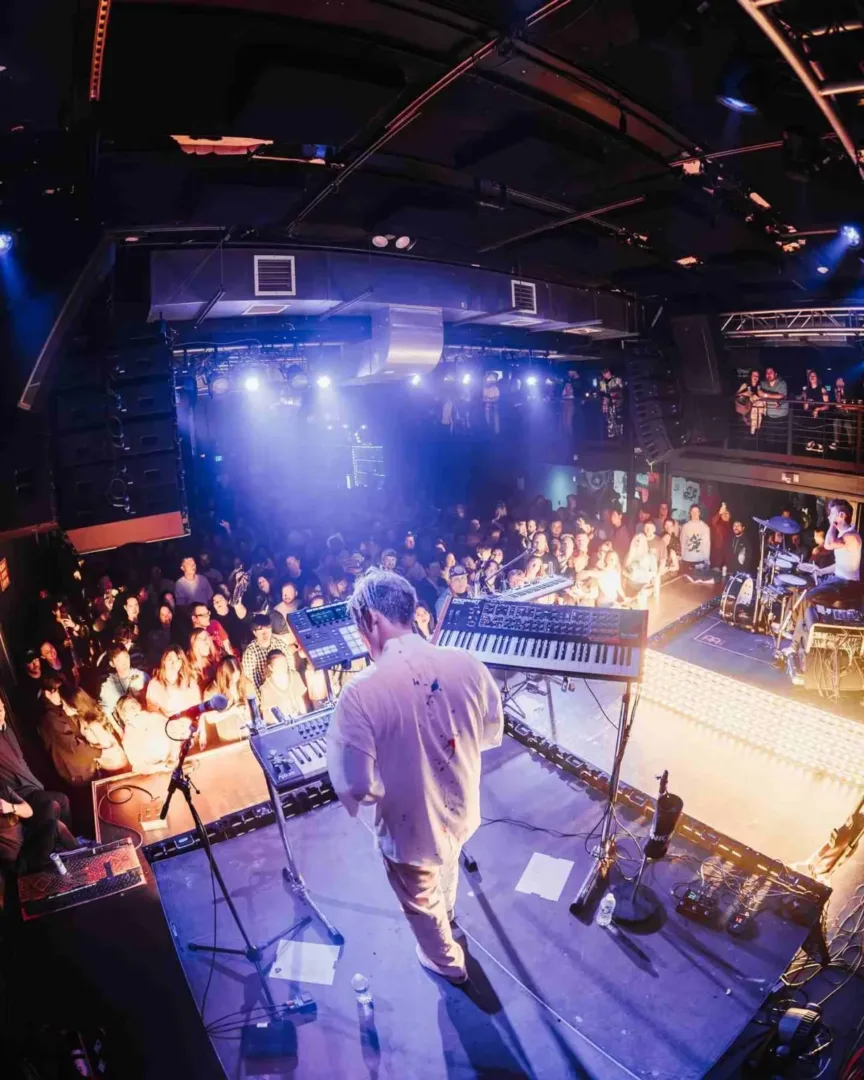
The effort pays off when you’re pressed against a stage at Neumos, feeling bass vibrate through your chest, surrounded by people who chose to be exactly where you are.
That’s when Seattle’s musical magic becomes real—not as history or reputation, but as living, breathing culture you’re part of creating.
The venues, festivals, and artists detailed in this guide are starting points, not comprehensive lists. Seattle’s music scene is too vast and constantly evolving to be captured completely.
Use this as your foundation, then dive deeper based on your interests. Follow local music writers on social media, talk to record store employees, and most importantly, say yes when someone invites you to check out their friend’s band.
The next legendary Seattle act might be playing a half-empty bar on a Wednesday night, waiting for people like you to discover them.
Support live music. Tip bartenders. Buy merch. Tell artists you appreciate their work. These small actions sustain the ecosystem that makes Seattle’s music scene possible.
And when you leave Seattle, take that ethos with you—support local music wherever you are, because every city’s scene needs people who show up, pay attention, and care deeply about art for art’s sake.
That’s the real Seattle legacy: not just the music we made famous, but the values that created the conditions for that music to exist in the first place.


