Discovery Park Seattle Guide: Trails, Lighthouse, Parking & Best Views
Picture this: I’m standing on a windswept bluff. The Olympic Mountains rise majestically across the Puget Sound. Bald eagles circle overhead. Behind me, forest trails wind through centuries-old trees. Below, waves crash against a wild beach leading to a historic lighthouse.
This isn’t a remote wilderness hours from civilization—it’s Discovery Park Seattle, tucked within Seattle’s city limits. It offers 534 acres of natural sanctuary that feels worlds away from the urban bustle.
As Seattle’s largest park, I’ve discovered Discovery Park defies expectations. Where else can I move from dense Pacific Northwest forest to open meadows to dramatic sea cliffs within a single afternoon?
Whether you’re a first-time visitor planning your Seattle itinerary, a local seeking weekend adventure, or a nature photographer chasing that perfect shot, Discovery Park delivers experiences that rival destinations requiring far more travel time.
This complete guide will show you exactly how to make the most of this extraordinary urban wilderness.
What Makes Discovery Park Seattle Special?
I’ve found Discovery Park isn’t just the biggest Seattle park—it’s a masterclass in ecosystem diversity packed into one remarkable location. Within those 534 acres, I encounter nearly every landscape the Pacific Northwest offers:
- Temperate rainforest with towering Douglas firs
- Wind-sculpted coastal bluffs
- Sandy beaches strewn with driftwood
- Meadows that explode with wildflowers each spring
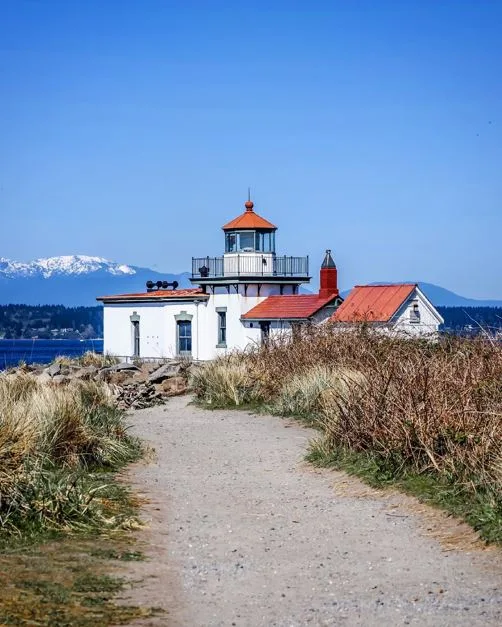
Seattle’s Most Important Wildlife Refuge
The park serves as Seattle’s most significant wildlife refuge. It’s designated as an Important Bird Area where over 270 species have been documented. On any given visit, I might:
- Spot a great blue heron stalking the shallows
- Hear the distinctive call of pileated woodpeckers echoing through the forest
- Watch harbor seals bobbing in the waves offshore
Genuinely Wild Despite Being in the City
What I find truly sets Discovery Park apart is how it manages to feel genuinely wild despite being surrounded by a city of 750,000 people. The thoughtful trail design and the park’s sheer size create pockets of solitude.
The only sounds are birdsong, rustling leaves, and distant waves. It’s this unexpected escape that keeps me returning year after year. It leaves visitors wondering why more people don’t know about this gem.
Discovery Park Seattle History: From Military Base to Urban Wilderness
The story of how Discovery Park came to exist is as compelling as the park itself.
Fort Lawton Era
For 72 years, this land served military purposes as Fort Lawton. It was established in 1900 on what was then considered remote wilderness far from downtown Seattle.
During both World Wars, thousands of troops passed through for training. The fort even held German and Italian prisoners of war during World War II. This adds another layer to its complex history.
The Fight to Save the Land
By the 1960s, Fort Lawton’s military significance had faded. The Army declared much of the land surplus. What happened next reflected the environmental consciousness gaining momentum during that era.
Rather than allowing the prime real estate to become housing developments or commercial properties, community activists fought back. Community activists, city leaders, and conservationists rallied to preserve the land as public parkland.
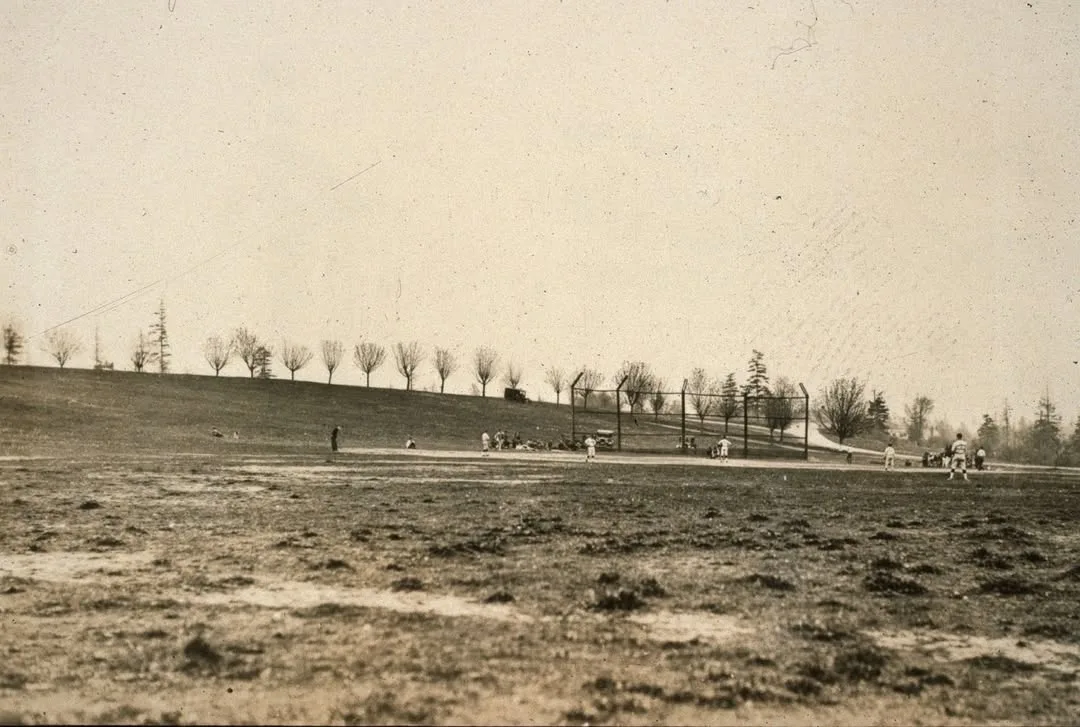
Birth of Discovery Park
Their efforts succeeded. In 1973, Discovery Park Seattle officially opened to the public. It was named to celebrate humanity’s ongoing journey of discovering and understanding the natural world. The transformation from military installation to nature park wasn’t instant. It required:
- Removing buildings, roads, and infrastructure
- Painstakingly restoring native plant communities
- Replacing what had been displaced during decades of military use
Ongoing Restoration
I’ve witnessed how this restoration work continues today. The park service:
- Actively removes invasive species
- Plants native trees and shrubs
- Works to recreate the diverse ecosystems that existed before European settlement
When I walk Discovery Park’s trails, I’m witnessing an ongoing experiment in urban rewilding. It’s proof that nature, given even half a chance, will reclaim and revitalize.
Planning Your Visit to Discovery Park Seattle Washington
Discovery Park Seattle Address and Getting There
Discovery Park is located at 3801 Discovery Park Boulevard, Seattle, WA 98199, in the Magnolia neighborhood—one of Seattle’s quieter residential areas perched on a bluff northwest of downtown.
- By Car from Downtown Seattle: I head north on Elliott Avenue, which becomes 15th Avenue W. I turn left on W Emerson Street, then right on Gilman Avenue W, which becomes W Government Way. I follow signs to Discovery Park Boulevard. The drive takes 15-20 minutes in normal traffic.
- From I-5: I take the 45th Street exit (Exit 169), head west to 15th Avenue W, turn left and follow the directions above.
- By Public Transit: I take Metro bus routes 33 or 24 to the Magnolia neighborhood, though I’m prepared for a walk—the park’s size means public transportation only gets me to the edges. The #33 stops nearest to the main entrance.
- Cycling: I enjoy the relatively quiet streets through Magnolia as a dedicated cyclist, though I expect some hills. Bike racks are available at the visitor center.
Discovery Park Seattle Hours and Best Times to Visit
Discovery Park opens daily from 4:00 AM to 11:30 PM year-round. This gives me flexibility to catch sunrise (highly recommended) or enjoy evening hikes during long summer days.
The visitor center operates on more limited hours, typically Tuesday through Sunday from 8:30 AM to 5:00 PM. Hours may vary seasonally—call ahead if you want to start there.
Best Times by Season
| Season | Best For | Tips |
| Spring (April-May) | Wildflowers peak, migrating birds arrive, mild temperatures | Weekday mornings offer most solitude |
| Summer (June-August) | Warmest weather, best beach days | Arrive before 9 AM or after 5 PM to avoid parking issues |
| Fall (September-November) | Fewer crowds, dramatic fall colors, excellent hiking weather | Many locals consider this the sweet spot |
| Winter (December-March) | Wild winter storms, most solitude | Come prepared for rain and wind |
I’ve learned early morning visits any time of year offer the best wildlife viewing and photography light, plus guaranteed parking.
Discovery Park Seattle Parking: Where to Park and What to Expect
I’ve found parking can be Discovery Park’s biggest frustration during peak times, so I plan accordingly.
Main Parking Areas
- Visitor Center Lot: The primary parking area with approximately 100 spaces. Located at the official entrance on Discovery Park Boulevard. I’ve seen this fill quickly on nice weekend days.
- North Parking Lot: Smaller lot with about 30 spaces, accessed from the north end of the park. Good option when the main lot is full.
- South Parking: Limited overflow parking near the south meadow entrance.
All parking lots are free, and there are no permits required—a refreshing change from many Seattle parks.
Peak Time Strategy: On summer weekends and sunny days year-round, I’ve found the main lot can fill by 10 AM. If I arrive to a full lot, I try the north parking area or consider street parking along Discovery Park Boulevard or nearby residential streets (I observe all posted signs).
Accessibility: Designated accessible parking spaces are available at the visitor center lot, closest to facilities and main trailheads.
Discovery Park Seattle Tickets and Entrance Fees
Here’s excellent news: Discovery Park is completely free to enter and explore. There are no entrance fees, trail fees, or charges for parking. This accessibility is one of the park’s greatest assets.
The Environmental Learning Center occasionally charges nominal fees for specialized programs, workshops, or guided nature walks, but all trails, beaches, and natural areas remain free to the public every day of the year.
Exploring Discovery Park Seattle Trails
With over 11 miles of maintained trails ranging from easy strolls to more challenging beach access routes, I’ve found Discovery Park’s trail system offers something for every ability level.
The trails wind through distinctly different ecosystems. This means I can completely change my environment just by choosing a different path.

The Loop Trail: Your Gateway to Discovery Park
The 2.8-mile Loop Trail serves as Discovery Park Seattle’s signature experience and the perfect introduction for first-time visitors. I’ve found this well-maintained path circumnavigates much of the park, offering samples of everything Discovery Park offers.
Starting from the visitor center, I travel through dense forest where sword ferns carpet the understory and massive Douglas firs tower overhead. The trail then emerges into open meadows with sweeping views of Puget Sound and the Olympic Mountains. I traverse the dramatic south bluff with its commanding vistas before descending slightly through mixed woodland.
- Difficulty: Easy to moderate, with gentle elevation changes totaling about 300 feet. I’ve found the trail is wide, well-marked, and suitable for families with children who can comfortably walk three miles.
- Time Required: Most hikers complete the loop in 1.5 to 2 hours at a leisurely pace with stops for photos and views. Power walkers can finish in under an hour.
- Highlights: I’ve discovered the Loop Trail excels at variety. I experience forest solitude, expansive meadow views, dramatic overlooks, and glimpses of shoreline—all without the crowds that flock to the beach trail.
Beach Trail to West Point Lighthouse
The most popular route in Discovery Park Seattle, the Beach Trail descends from the main park area down to the beach and iconic West Point Lighthouse. I’ve found this is the hike that appears in countless Instagram posts and travel guides—and for good reason.
- Distance: Approximately 1 mile one-way from the Loop Trail junction to the lighthouse, though your starting point affects total distance.
- Terrain: The descent to the beach involves switchbacks with an elevation loss (and subsequent gain on return) of about 250 feet. While well-maintained, I’ve noticed the trail can be slippery after rain. The beach itself is sandy and rocky, requiring sturdy footwear.
What Makes It Special: I’ve experienced how this trail delivers that quintessential Pacific Northwest moment—emerging from forest onto a wild beach with a historic lighthouse standing sentinel against the dramatic backdrop of the Olympic Mountains. The beach extends in both directions, inviting exploration, while the lighthouse offers perfect photography opportunities.
Timing: I allow 2-3 hours round-trip when I want time to explore the beach, photograph the lighthouse, and search tide pools. The climb back up is moderately strenuous—I pace myself.
Hidden Gem Trails for Solitude Seekers
- Wolf Tree Nature Trail: This short 0.5-mile interpretive loop showcases old-growth forest features, including several massive Douglas firs that predate European settlement. Numbered markers correspond to a guide available at the visitor center. I’ve found it’s rarely crowded and offers a peaceful forest experience without the elevation changes of longer trails.
- South Meadow Paths: A network of unofficial but well-worn trails crisscross the expansive south meadow. I’ve explored these paths which offer some of the Discovery Park Seattle’s best wildflower viewing in spring and wide-open views of the Sound. Access from the south parking area.
- North Bluff Trail: For those seeking dramatic coastal views without descending to the beach, I’ve found the north bluff trail delivers spectacular overlooks while remaining relatively level. I watch for eagles riding thermal currents along the bluff.
Trail Comparison at a Glance
| Trail Name | Distance | Difficulty | Highlights |
| Loop Trail | 2.8 miles | Easy | Complete park overview, forests, meadows, bluffs |
| Beach Trail | 1 mile (one-way) | Moderate | Lighthouse, beach access, coastal views |
| Wolf Tree Trail | 0.5 miles | Easy | Old-growth forest, interpretive stations |
| North Bluff | 1.2 miles | Easy | Coastal overlooks, eagle watching |
Trail Tips and What to Bring at Discovery Park Seattle
- Footwear: Real hiking boots aren’t necessary for most Discovery Park trails, but I skip the flip-flops. Trail runners or sturdy walking shoes with good tread work well, especially on the beach trail where surfaces vary from dirt to sand to slippery rocks.
- Weather Preparation: I’ve learned Seattle’s weather changes quickly. I layer clothing and bring a waterproof jacket even on sunny days—those coastal bluffs can be windy and surprisingly cool. In summer, I bring sun protection; the meadows and beaches offer little shade.
- Water and Snacks: No water is available on the trails themselves. I carry enough water for my planned hike duration, plus extra. The climb back from the beach works up a thirst.
- Trail Etiquette: I stay on established trails to protect sensitive plants and prevent erosion. I yield to uphill hikers. I pack out all trash. I keep dogs leashed (required) and pick up after them.
Discovery Park Seattle Map: Navigating the Park
Before hitting the trails, I grab a park map—it’s essential for navigating Discovery Park’s size and complexity.
Maps are available free at the Environmental Learning Center/Visitor Center near the main parking area. I can also download a PDF version from Seattle Parks’ website before my visit.
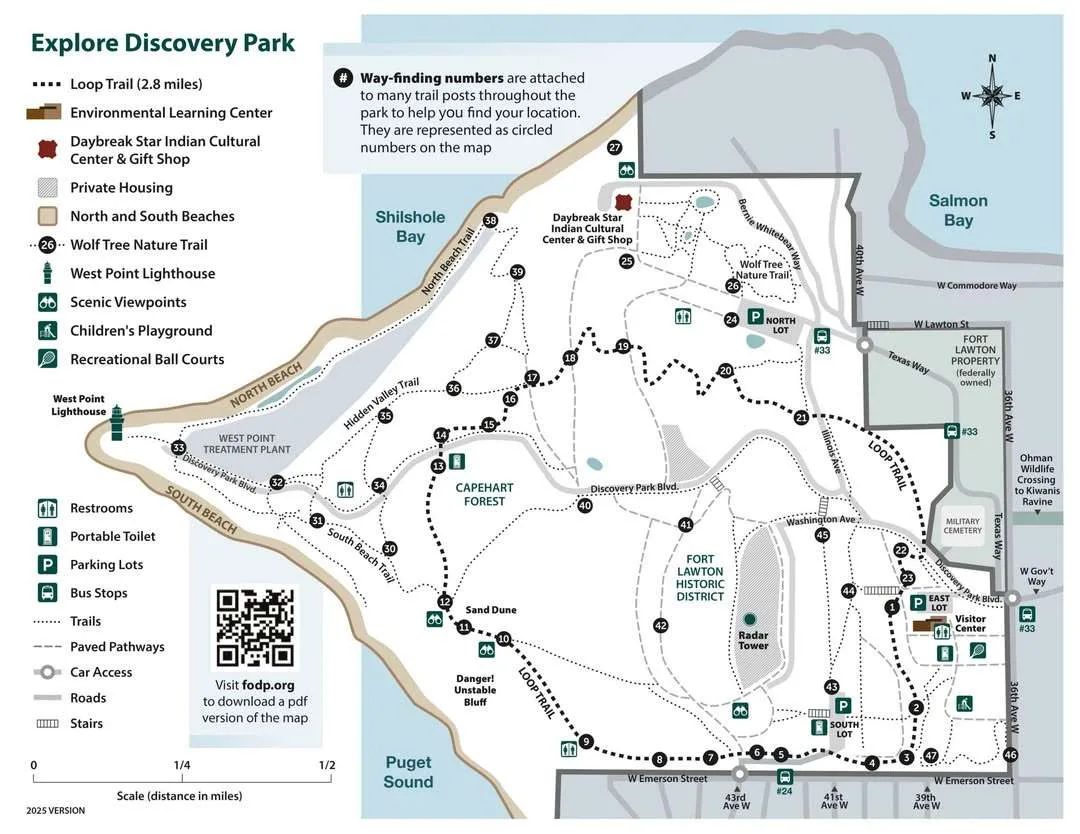
Why You Need a Map
I’ve found the map proves invaluable because Discovery Park’s trail system, while well-marked, includes numerous junctions and interconnecting paths.
Without a map, I might:
- Spend extra time backtracking
- Miss features I wanted to see
Key Landmarks for Orientation
- Visitor Center: My starting point and reference. Most trail descriptions use this as mile zero.
- South Meadow: The expansive open area visible from the Loop Trail, impossible to miss.
- West Point: The northwest corner where the lighthouse sits—the park’s geographic focal point.
- North Bluff: The dramatic cliffs along the northern boundary.
Pro Tip: I take a photo of the map on my phone before starting. Cell service can be spotty in the deeper forest areas, but a photo doesn’t require connectivity. The map also helps me plan loops based on time available—I can create 1-hour, 2-hour, or half-day routes by combining different trail segments.
West Point Lighthouse Discovery Park Seattle: A Historic Beacon
Standing proudly at Discovery Park’s northwest corner, I’ve discovered the West Point Lighthouse represents more than just a photogenic landmark. It’s the oldest lighthouse in the Puget Sound region and a testament to maritime history.
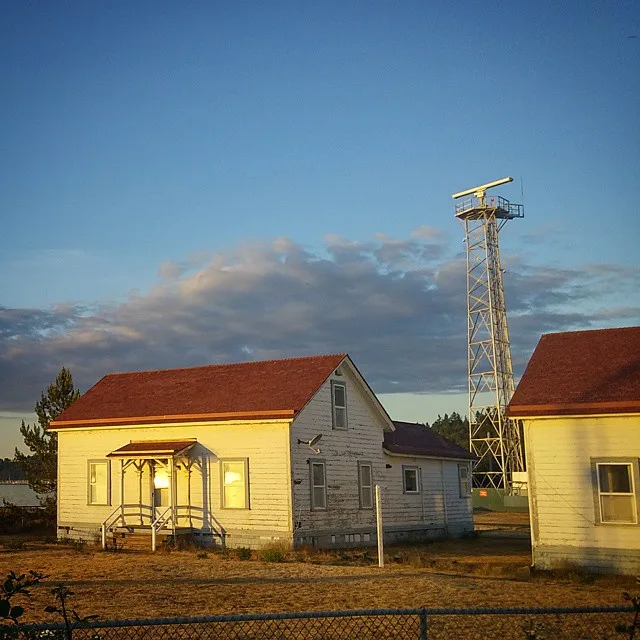
A Working Lighthouse Since 1881
Built in 1881, the lighthouse guided vessels navigating the challenging waters where Puget Sound meets the Strait of Juan de Fuca.
Its distinctive white tower stands:
- 27 feet tall
- Light 78 feet above sea level
- Used a fourth-order Fresnel lens visible for 16 miles in clear conditions
Still Active Today
Unlike many historic lighthouses that have been shut down, West Point remains an active aid to navigation. It’s now automated and maintained by the Coast Guard.
I’ve observed the light still flashes white every five seconds, continuing its 140-year mission of keeping mariners safe.
Architecture and Design
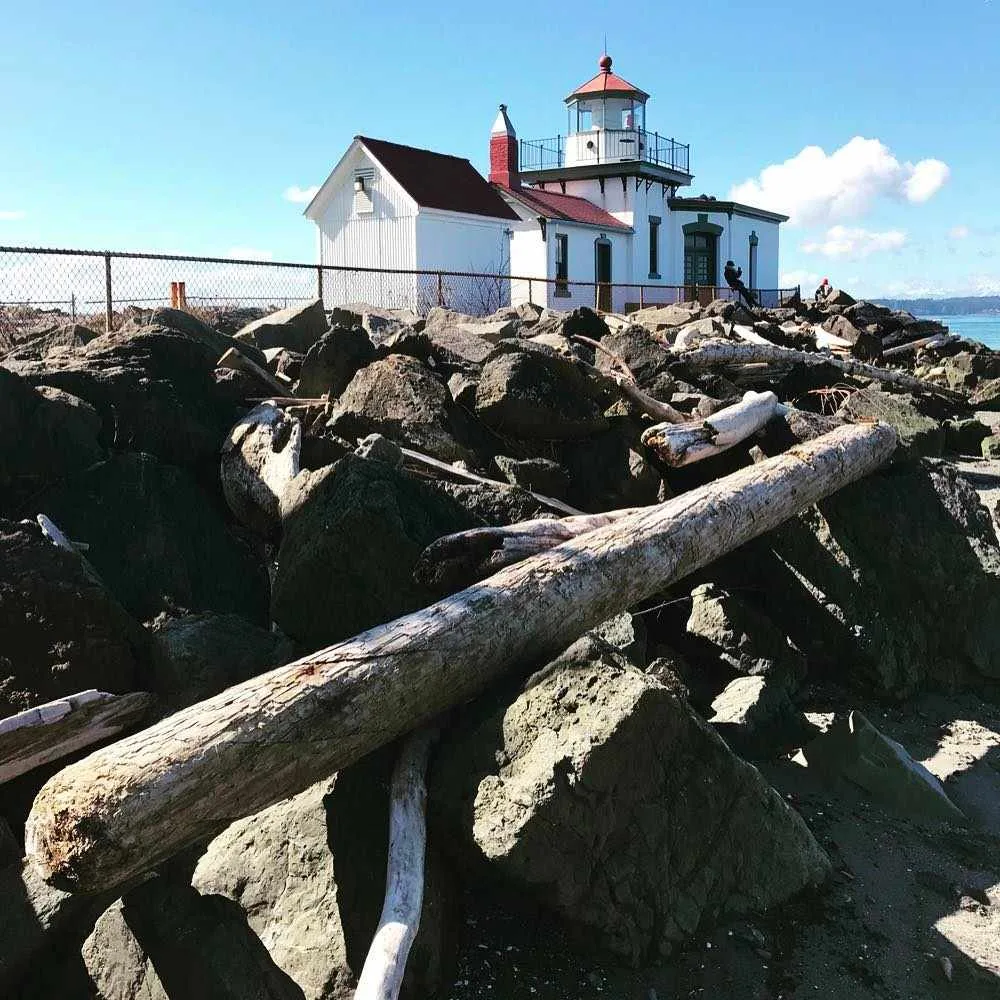
The lighthouse features classic Victorian-era architecture with its attached keeper’s house. While the interior isn’t open to public tours, I find the exterior offers plenty to admire and photograph.
The compound includes several outbuildings and a treatment plant (less photogenic but historically significant).
Best Viewing and Photography
I’ve learned the beach provides multiple vantage points.
- For Classic Shots: I position myself on the beach southeast of the lighthouse to capture it against the Olympic Mountains. During low tide, I can walk closer on exposed sand.
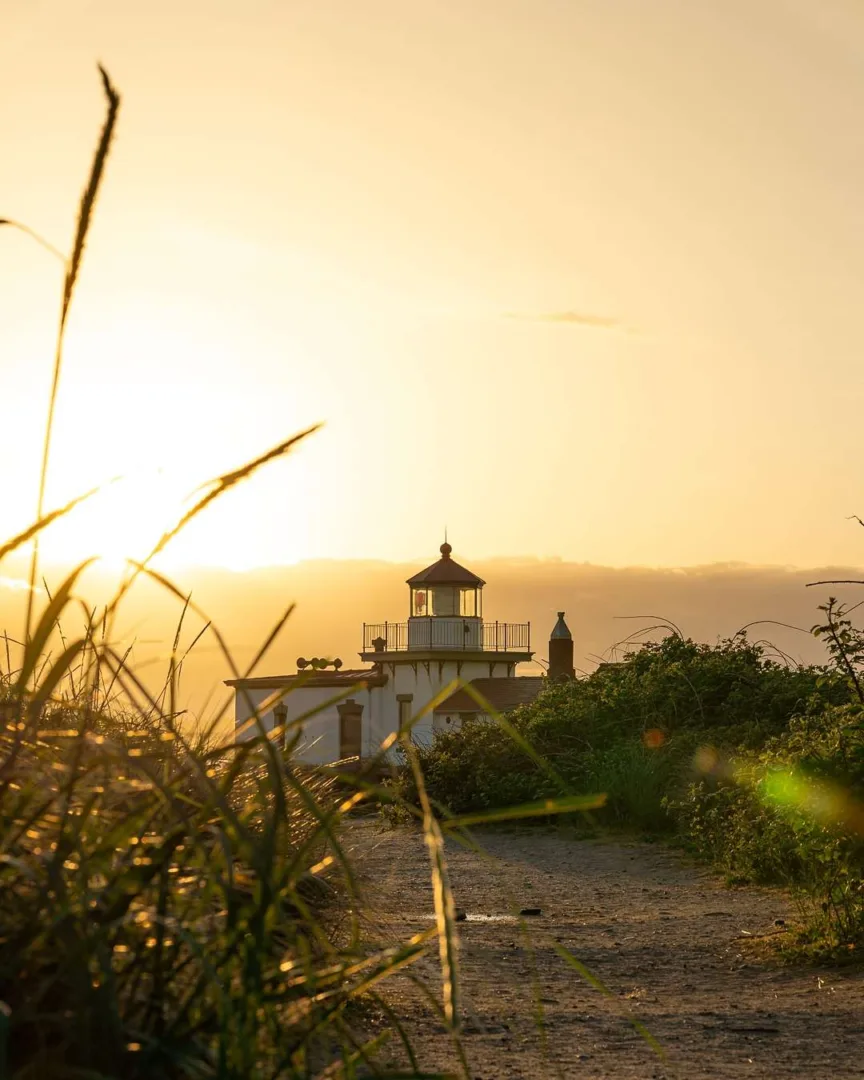
- Sunset Photography: Sunset photography here is spectacular, with the lighthouse silhouetted against colorful skies.
Beyond the Lighthouse
The beach surrounding West Point invites exploration beyond just lighthouse viewing. I’ve found:
- Driftwood logs create natural seats for picnicking or contemplation
- Tide pools teem with marine life during low tides
- Endless views across Puget Sound toward the Olympics provide that sense of escape that makes Discovery Park Seattle special
Access Note: The lighthouse area remains open during daylight hours, but the building itself is not open for interior tours. I respect Coast Guard property boundaries, which are clearly marked.
Seasonal Experiences at Discovery Park
I’ve witnessed Discovery Park Seattle transform with the seasons, each offering distinct experiences worth planning around.
Discovery Park Seattle Fall: Autumn Colors and Migration
Fall wraps Discovery Park in golds, russets, and deep greens as deciduous trees reach peak color. I’ve noticed the vine maples scattered through the forest create pockets of brilliant red and orange against the evergreen backdrop—particularly stunning in October when the low-angle light enhances the colors.
This season marks the Pacific Flyway migration, when thousands of birds pass through on their journey south. I observe waterfowl congregate in offshore waters visible from the bluffs. Raptors, including hawks and eagles, become more numerous as northern birds arrive for winter.
I’ve found photography conditions excel in fall. The softer light, dramatic cloud formations, and possibility of fog create moody, evocative scenes. I arrive early for mist rising from the forest—it happens frequently in September and October mornings.
Best months: Late September through November. I find weekdays offer solitude even during peak color.
Discovery Park Seattle Winter: Stormy Seas and Serene Solitude
Winter reveals Discovery Park’s wild side. I’ve witnessed storm systems rolling off the Pacific create dramatic wave action visible from the bluffs and beaches. The lighthouse takes on additional significance during winter storms, a beacon of safety against churning seas.
Ultimate Solitude
This season offers the park’s greatest solitude—I might hike for an hour seeing nobody else. The forests feel cathedral-quiet, rain dripping from branches the only sound. When snow does fall (a few times each winter), I’ve seen the park become a winter wonderland within the city.
Winter Bird Watching
Winter bird watching peaks with species like:
- Dunlins
- Sanderlings
- Surf scoters present in large numbers
I’ve noticed bald eagles increase in December through February, drawn by salmon runs and beach-cast fish.
What to Wear: I bring waterproof everything—jacket, pants, and boots. Layers are essential since I’ll warm up hiking even in cold temperatures. I bring microspikes if snow or ice is forecasted; those beach trail switchbacks become treacherous when slick.
Expected Conditions: Rain is likely, but Seattle’s winter rain typically falls as steady drizzle rather than downpours. Temperatures range from 35-50°F. I’ve found the park feels most authentically Pacific Northwest during winter months.
Spring Awakening: Wildflowers and Baby Wildlife
Spring brings renewal to Discovery Park Seattle, with wildflowers carpeting the meadows from April through June. I look for camas lilies creating blue-purple waves across the south meadow, joined by lupine, Indian paintbrush, and shooting stars. I time my visit for late April to catch peak bloom.
I’ve seen baby wildlife appear everywhere—fuzzy goslings following parents across meadows, fawns occasionally spotted at forest edges, and shore birds tending nests along the beach. Eagles and great blue herons raise young in nests visible with binoculars.
The forest floor erupts with trilliums, bleeding hearts, and other native understory flowers. I’ve found the Wolf Tree Trail showcases this particularly well.
Spring weather proves unpredictable—I might experience sunshine, clouds, and showers within a single hike. The payoff is lush greenery and incredible freshness after winter rains.
Summer at Discovery: Peak Visitation and Beach Days
Summer delivers Discovery Park’s warmest, sunniest weather, bringing crowds but also the best conditions for beach exploration. I’ve observed low tides expose vast stretches of sand and tide pools, perfect for families with children searching for starfish, crabs, and anemones.
The meadows bloom with late-season wildflowers, while the forests provide welcome shade during rare hot spells. I notice eagles and herons remain active, now teaching their young to hunt and fish.
I’ve experienced how sunset at the beach becomes a social event, with dozens of people gathering to watch the Olympic Mountains glow in alpenglow. The longest days (sunset near 9 PM in late June) allow for after-work hikes with plenty of daylight remaining.
Summer challenges: Parking difficulties on nice weekends, more trail congestion, and occasional heat (when Seattle hits 80+°F). I combat this by arriving early, visiting weekdays, or timing my visit for morning or evening rather than midday.
Wildlife and Nature at Discovery Park Seattle
I’ve learned Discovery Park’s designation as an Important Bird Area reflects its significance as habitat in an increasingly urbanized landscape. Over 270 bird species have been documented here—an impressive list including year-round residents, seasonal migrants, and occasional vagrants that thrill birdwatchers.
Birds You’re Likely to See
- Bald Eagles: Present year-round but most numerous in winter. I watch the snags and tall trees along the bluffs—eagles perch there scanning for prey.
- Great Blue Herons: I observe these statuesque hunters patrol the beaches and shallows. A rookery exists within the park, though its location isn’t publicized to protect nesting birds.
- Pileated Woodpeckers: I listen for their distinctive loud calls and rapid drumming in the forest. These crow-sized woodpeckers excavate rectangular holes in dead trees.
- Red-tailed Hawks: I commonly see them riding thermals above the meadows, hunting for small mammals.
- Shorebirds and Waterfowl: I’ve found the beaches attract numerous species depending on season—sandpipers, plovers, gulls, and cormorants. Offshore, I watch for loons, grebes, and diving ducks.
- Mammals: While less conspicuous than birds, I’ve encountered Discovery Park Seattle hosts raccoons, rabbits, squirrels, and occasionally coyotes. Deer are sometimes spotted in the early morning. Harbor seals frequent the waters off West Point, often visible from the beach hauled out on rocks or bobbing in the kelp beds.
- Marine Life: Low tide reveals a vibrant intertidal zone. I’ve explored tide pools containing sea stars, anemones, hermit crabs, and small fish trapped by receding water. I observe the “look but don’t touch” rule—these creatures are fragile, and disturbing them violates park regulations.
Ethical Wildlife Viewing
- I maintain distance—never approach or feed wildlife
- I use binoculars or zoom lenses rather than getting closer
- I keep dogs leashed and under control to avoid disturbing birds and mammals
- I observe quietly; loud voices startle wildlife and diminish other visitors’ experiences
- I never remove shells, rocks, or marine life from beaches
Discovery Park Seattle Reviews: What Visitors Are Saying
I’ve looked at thousands of visitor reviews that reveal consistent themes about the Discovery Park experience.
What People Love Most at Discovery Park Seattle
The overwhelming sentiment centers on unexpected wilderness so close to the city. I’ve read reviewers repeatedly express surprise at the park’s size, diversity, and how quickly they forget they’re in Seattle. The lighthouse hike earns particular praise, with visitors describing it as a “must-do” Seattle experience that rivals more famous attractions.
Locals appreciate Discovery Park as a year-round escape where they can hike, clear their heads, and observe changing seasons without driving hours to reach mountain trails. The free access and ample trails for all fitness levels receive frequent positive mentions.
Common Surprises and Delights
Many visitors don’t expect the variety of landscapes—they arrive thinking “park” and discover they’re traversing multiple distinct ecosystems. I’ve noticed the wildlife sightings surprise people, particularly eagle encounters and the tide pool diversity. First-time visitors frequently comment that they could have spent more time than planned and wish they’d allocated a longer visit.
Constructive Criticism
The most frequent complaint involves parking challenges during peak times, validating my earlier advice about arriving early or visiting off-peak. Some visitors note the beach trail climb back up is more strenuous than anticipated—fair criticism that highlights the importance of wearing appropriate shoes and being reasonably fit.
A few reviews mention trail signage could be clearer at certain junctions, reinforcing why grabbing that map is worthwhile. Weather catches underprepared visitors off guard—locals know to layer and bring rain gear, but tourists sometimes arrive in inadequate clothing.
Insider Tips from Frequent Visitors
- Bring binoculars even if you’re not a serious birder—you’ll want them
- Check tide tables if beach exploration is your goal; low tide is dramatically better
- The best photos happen in the first or last hour of daylight
- Pack a picnic and plan to stay longer than you think—there’s more to explore than you expect
- Download the map PDF before arriving since cell service is spotty
Activities and Attractions Within Discovery Park Seattle
Beyond hiking, I’ve discovered Discovery Park offers diverse ways to engage with nature.
Beach Exploration and Tide Pooling
The beaches stretching from West Point invite hours of exploration. I’ve found low tide exposes extensive tide pools teeming with marine life—I bring a field guide to identify species. I check tide charts before my visit; the best tide pooling occurs during minus tides when maximum shoreline is exposed.
The beach walk itself is therapeutic—I collect interesting driftwood, watch waves, scan for sea glass. Some visitors I’ve met bring sketch pads or journals, using the beach as open-air studio space.
Bird Watching
With over 270 species recorded, I can spend entire days here as a serious birder.
Prime Locations
| Location | What to Watch For |
| The bluffs | Raptors and eagles |
| Beach and offshore waters | Shorebirds, waterfowl, and seabirds |
| Forest edges | Woodland species meet meadow species |
| South meadow | Grassland birds |
I’ve found peak migration periods (April-May and September-October) offer the greatest diversity. Early morning consistently provides the most active bird behavior.
Photography Opportunities
I’ve discovered Discovery Park is a photographer’s paradise regardless of skill level.
Compelling Subjects Include
- West Point Lighthouse from multiple angles and lighting conditions
- Olympic Mountain views across Puget Sound
- Forest detail shots—moss, ferns, fungus, tree bark textures
- Wildlife portraits with telephoto lenses
- Meadow wildflowers in macro
- Dramatic weather and storm photography from the bluffs
The variety of environments means I can fill a memory card without walking more than a mile.
Picnic Areas
Designated picnic spots with tables are scattered throughout, but I often opt for scenic improvisation—a driftwood log on the beach, a meadow blanket, or forest resting spot. No shelters or reservable facilities exist, maintaining the natural atmosphere.
Environmental Learning Center
Located near the main parking area, the center offers educational exhibits, natural history displays, and occasional programs including guided nature walks, bird walks, and youth education programs. I check their schedule for special events. Hours are Tuesday-Sunday, 8:30 AM-5:00 PM, though this may vary seasonally.
Cultural Loop
A lesser-known feature, the Cultural Loop trail includes interpretive elements highlighting Duwamish and Suquamish tribal history and the area’s significance to Coast Salish peoples long before Fort Lawton existed. This adds important historical context to my visit.
Practical Information for a Great Visit to Discovery Park
Facilities and Amenities
- Restrooms: Public restrooms are located at the visitor center (open during center hours) and at the north parking area (seasonally available). These are the only facilities—I plan accordingly before heading onto remote trails.
- Water Fountains: Available at the visitor center during operating hours. No water is available on trails, so I carry adequate water for my planned activities.
- Visitor Center: The Environmental Learning Center serves as the official visitor center, offering maps, information, exhibits, and restrooms. Staff can answer my questions and provide current conditions updates. Open Tuesday-Sunday, 8:30 AM-5:00 PM (hours may vary; call 206-386-4236 to confirm).
- Accessibility: The visitor center is fully accessible. I’ve learned some trails, including portions of the Loop Trail, are wheelchair accessible, though terrain limits access to more remote areas like the beach. Contact the park directly for specific accessibility information regarding your needs.
Rules and Regulations
I follow Discovery Park’s regulations that exist to protect both natural resources and visitor experience:
- Dogs: Allowed but must remain leashed at all times. Maximum 6-foot leash. I clean up after my pet and pack out waste. Some sensitive habitat areas prohibit dogs entirely—I observe posted signs.
- No Camping: The park closes at 11:30 PM. No overnight camping, sleeping in vehicles, or fires are permitted.
- Stay on Trails: In meadows and sensitive habitat areas, I stay on established trails to prevent erosion and protect native plants. The beach is free to roam.
- Leave No Trace: I pack out all trash. I do not collect plants, rocks, shells, or marine life. I leave natural and historical features undisturbed.
- Drones: Prohibited without special permit.
- Smoking: Prohibited throughout the park.
Safety Tips
I’ve found Discovery Park is generally safe, but awareness of natural hazards enhances my visit:
- Weather Changes: Conditions can shift rapidly, especially near the coast. I’ve experienced morning sunshine give way to afternoon wind and rain. I carry layers and rain protection regardless of the forecast.
- Cliff Edges: The bluffs offer spectacular views but are unstable and dangerous. I stay behind barriers and fencing. I never approach cliff edges for photos—people have been injured and killed ignoring this warning.
- Tide Awareness: If I explore beaches extensively, I know the tide schedule. Getting trapped by rising tide against cliffs is a real danger. I leave the beach before incoming tide blocks my return route.
- Cell Service: I’ve found coverage is spotty to nonexistent in many areas, particularly the forest and beach. I don’t rely on my phone for navigation or emergencies. I download maps beforehand and tell someone my plans.
- Wildlife: I’ve occasionally seen coyotes—I don’t approach and keep dogs close. Aggressive behavior is extremely rare but possible if coyotes habituate to human food. I never feed wildlife.
- Uneven Terrain: I watch my footing, especially on the beach trail where roots, rocks, and occasional mud create trip hazards.
Nearby Attractions and Making a Day of It
I’ve discovered Discovery Park pairs beautifully with other North Seattle and Magnolia area destinations for a full day of exploration.
- Hiram M. Chittenden Locks (Ballard Locks): Just 10 minutes away, I watch boats navigate between Puget Sound and Lake Union while salmon swim up the fish ladder (July-November peak viewing). Free admission, beautiful gardens, and the visitor center provides fascinating engineering history.
- Magnolia Village: This charming neighborhood commercial district offers cafes, restaurants, and shops perfect for my post-hike meals. Local favorites include Serendipity Cafe for coffee and Mondello Ristorante for Italian fare.
- Golden Gardens Park: Another excellent beach park 15 minutes north, offering a different shoreline experience with fire pits and volleyball courts.
- Fishermen’s Terminal: I visit Seattle’s working waterfront where the fishing fleet docks. I grab fish and chips, watch boats come and go, and experience authentic maritime culture.
These combinations allow me to experience diverse aspects of Seattle’s waterfront culture and natural spaces within a relatively compact area—ideal for visitors trying to maximize their time.
Conclusion: Your Discovery Park Adventure Awaits
As the sun dips toward the Olympic Mountains, painting Discovery Park’s meadows in honey-gold light, I understand what makes this place extraordinary. It’s not just Seattle’s largest park—it’s a genuine wilderness experience hidden within city limits, offering the rare gift of solitude and natural beauty without hours of travel.
Whether I’m standing on the bluff watching eagles soar, exploring tide pools beneath the historic lighthouse, or simply breathing deep the forest air scented with Douglas fir and salt water, Discovery Park delivers something increasingly rare: authentic connection with the Pacific Northwest’s wild character.
Before you visit, download the park map from Seattle Parks’ website, check the tide tables if beach exploration interests you, and verify visitor center hours if you want the latest trail conditions. Dress in layers, pack water and snacks, and arrive with enough time to truly explore—this isn’t a park you’ll want to rush through.
534 acres of forest, meadow, beach, and bluff await your discovery. The trails are calling. The lighthouse stands ready for your camera. The eagles are circling overhead. All that’s missing is you.