
A Seattle Art Lover’s Weekend: Galleries, Free Museums and Taking a Piece Home
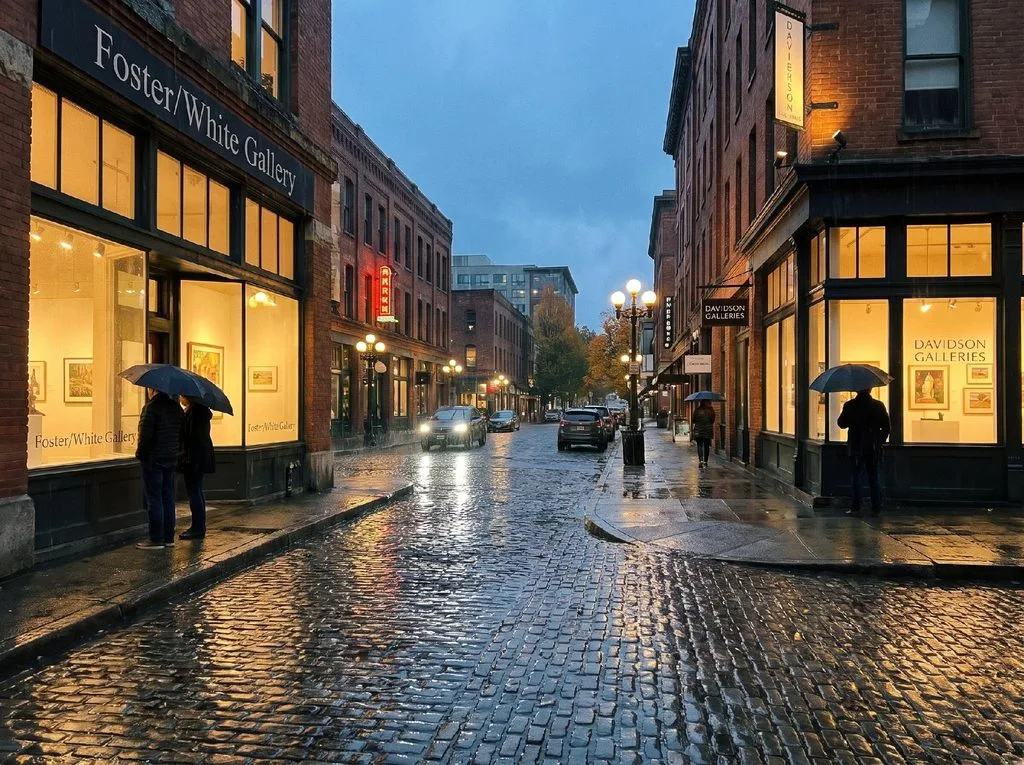
Seattle’s gray months are gallery season, and I’ve stopped fighting it. When the drizzle settles in around October, I trade hiking boots for a good umbrella and spend my weekends wandering between warm, well-lit rooms full of paintings, glass and sculpture. It’s the cheapest, driest way to see the city.
The best part is how easy it is to build a trip around art here. Some of the best stops are free, the neighborhoods are walkable, and a coffee shop is never more than a block away. Here’s how I’d spend a weekend, from the gallery crawl in Pioneer Square to the question every art lover eventually faces: how do you get a piece home?
Start With Pioneer Square on a First Thursday
The First Thursday Art Walk is the reason to plan your trip around the first week of the month. The neighborhood’s galleries open their doors in the evening for free, self-guided browsing, and it’s one of the oldest art walks in the country. Openings run roughly 5 to 8 PM, so start early and work your way through the old brick blocks. Greg Kucera, Foster/White, J. Rinehart and Gallery 110 are all worth a stop, and each one feels completely different from the last.
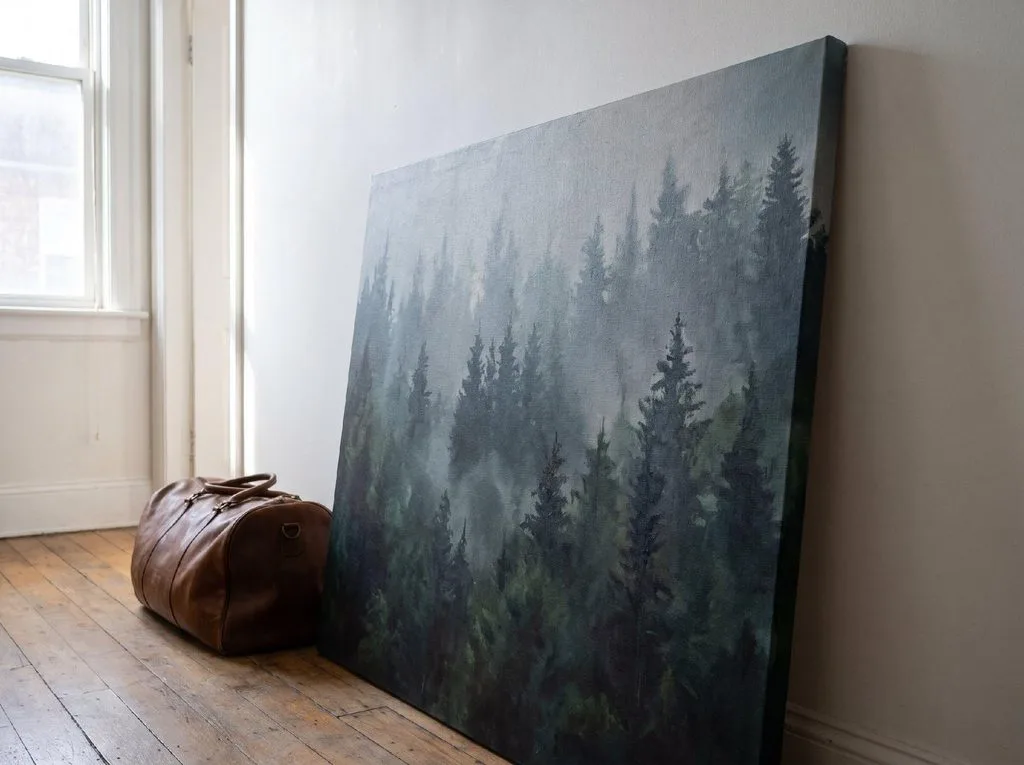
Pioneer Square also teaches you something practical about buying art on the road. Most travelers fall for a painting and then freeze at the thought of the flight home. Framed pieces under glass are a headache in a carry-on, while a canvas art painting can be taken off its stretcher, rolled flat and tucked into a tube, which makes it one of the easiest ways to bring a big image home. Forest and coastal scenes in deep greens, slate blues and foggy grays also suit the Pacific Northwest palette, so a piece you buy here will keep reminding you of the rain.
Don’t feel pressure to buy anything on your first lap. Walk the whole route, note the artists you keep returning to, and circle back before the galleries close. Most staff are happy to talk about the artist, the materials and how a piece gets shipped.
Why Seattle Takes Art So Seriously
The city’s art habit isn’t just a hobby; it’s part of the economy. The National Endowment for the Arts reported in 2025 that arts and cultural industries made up 9.8% of Washington’s state economy in 2023, the highest share in the country, according to NEA and BEA data. That’s a big number for a state people mostly associate with coffee and software.
You can feel it on the street. Murals cover the sides of buildings, small galleries fill storefronts, and locals treat a gallery opening as a perfectly normal Thursday night.
The Free and Cheap Museum Route
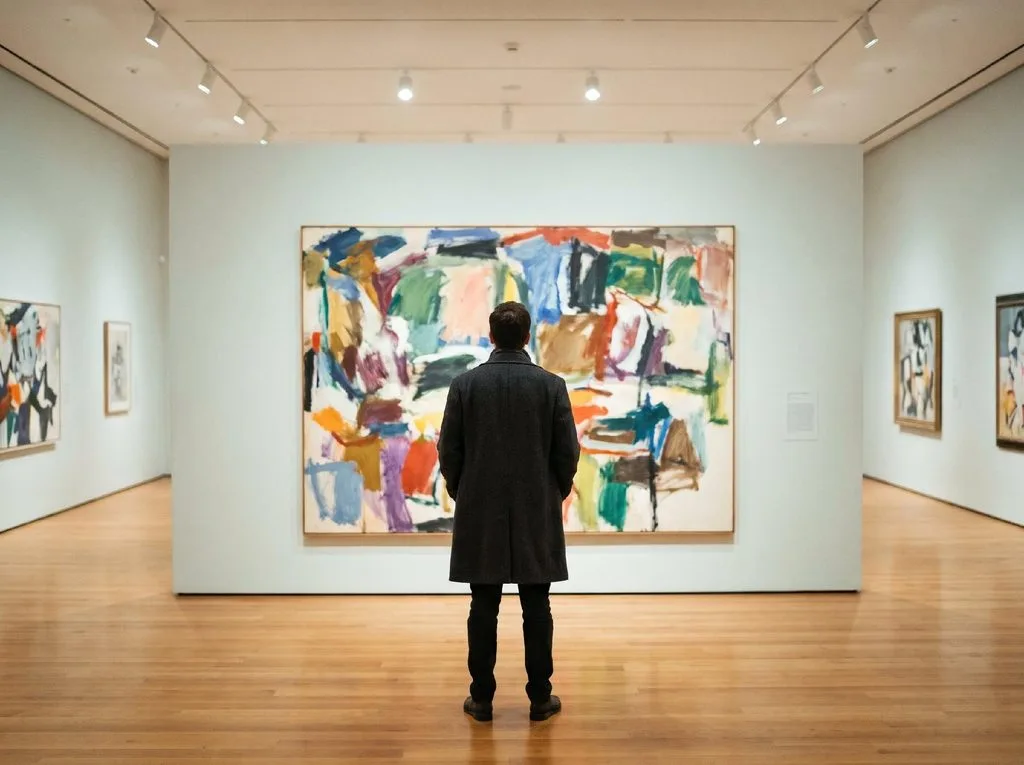
Once you’ve had your fill of commercial galleries, switch to the museums. The Frye Art Museum on First Hill is always free, and it’s one of the most relaxed places in the city to spend an hour. Its salon-style walls are packed floor to ceiling, which means you’ll see far more paintings than the size of the building suggests. The Seattle Art Museum offers free admission on first Thursdays, and Olympic Sculpture Park on the waterfront is free to walk through. Check each museum’s site before you go, since hours change with the season.
North of the ship canal, the Henry Art Gallery sits on the University of Washington campus. If you’re pairing it with lunch and a wander, our ideas for the University District cover where to eat nearby.
Neighborhoods That Pair Art With Coffee
Capitol Hill is my favorite place to let an afternoon drift. Between the Seattle Asian Art Museum in Volunteer Park, independent shops and a long run of cafes, you can fill a day without ever checking a map. Our Capitol Hill neighborhood guide lists the stops I’d hit in order.
Queen Anne and West Seattle are quieter. Their small neighborhood galleries often show local painters at friendlier prices, and you’re more likely to chat with the person who made the work. I’d rather spend an hour in one of those rooms than a whole afternoon in a crowded downtown shop.
How to Buy Art as a Visitor Without Regret
Buying art when you’re traveling is exciting and risky in equal measure. A few habits keep me out of trouble:
- Ask for the artist’s name, the medium and the year. A good gallery will have all three ready.
- Measure the wall at home before you leave, and take a photo of the space on your phone.
- Decide how you’ll get it home first. Rolled canvases fit in a tube, while framed originals usually need to be shipped by the gallery.
- Set a budget before the first opening, because it’s easy to get carried away with a glass of wine in your hand.
Affordable work isn’t second-tier work either. The Art Basel and UBS Art Market Report 2026 found that works under $50,000 account for 63% of online auction value, so most of the market moves at prices well below the headline-grabbing sales. A limitation worth knowing: prints and canvases rarely hold resale value the way a signed original from an established artist might, so buy what you’ll enjoy looking at every day.
Hanging Your Find at Home
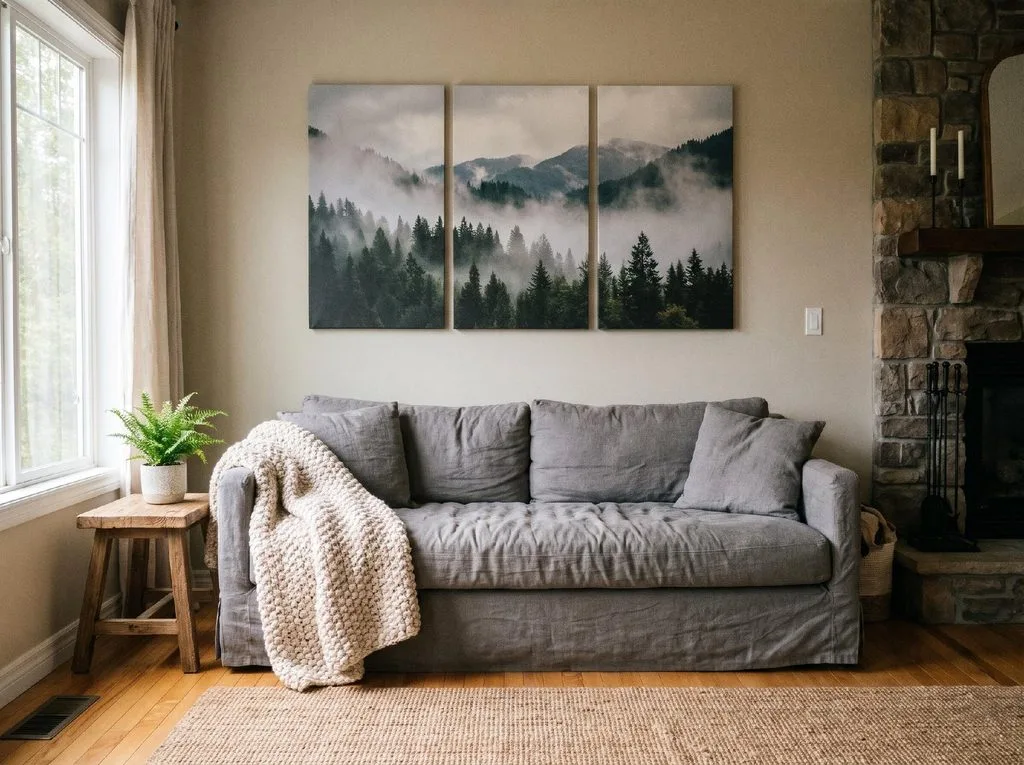
Hang your piece within a week of getting home, or it’ll sit in the hallway for a year. I’ve made that mistake. Go bigger than feels comfortable; a large canvas over a sofa should cover roughly two-thirds of the furniture’s width. Center it so the middle of the artwork sits around 57 inches from the floor, and avoid direct afternoon sun, which fades pigment over time.
If one painting looks lonely, give it company. Pair a single nature scene with a few smaller frames in matching tones, and the whole wall starts to feel like a little souvenir of the trip. Still planning the rest of your visit? Our guide to 45 things to do in Seattle fills in everything between gallery stops.
Bringing the City Home
A weekend of art in Seattle doesn’t need a big budget, a rental car or any expertise. Show up on a first Thursday, give the free museums a morning, and let the neighborhoods set your pace. If a painting follows you out the door, you’ll have a reminder of a rainy weekend well spent.