Exploring historic cities by car brings unforeseen navigation and transit hazards
Driving through unfamiliar metropolitan corridors brings unexpected navigation challenges. These complex environments prompt road travelers to prioritize defensive driving and safety.
When you steer your car into an older metropolitan center, sensory overload quickly takes over. Tight streets, crowded sidewalks, and unpredictable local drivers turn a relaxing vacation into an intense test of nerves.
You must navigate confusing one-way grids while listening to rapid-fire digital map prompts. Adopting proactive defensive driving habits gives you the clarity needed to protect your trip and avoid severe road hazards.
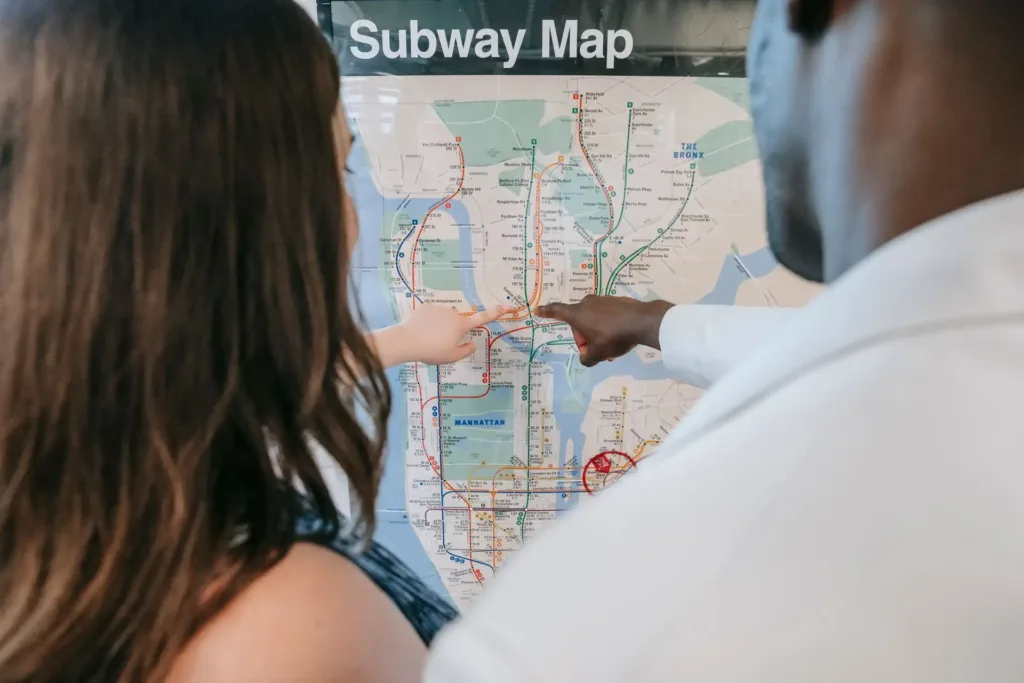
Protecting Your Legal Rights Following an Out-of-State Crash
Traveling across state borders leaves you vulnerable to unfamiliar municipal codes and regional traffic regulations. If an unexpected collision in a congested downtown intersection causes severe injury, consulting an attorney immediately after the car accident protects your rights under state liability laws. Regional legal advocates understand municipal court procedures, comparative negligence standards, and strict insurance filing limits.
Securing experienced legal counsel shields you from aggressive insurance claims adjusters. Adjusters often press visiting drivers into accepting discounted settlements before doctors determine the full scope of long-term injuries. Professional representation preserves your right to pursue fair financial recovery for medical treatment, vehicle damage, and missed wages.
Why Do Historic Street Grids Overwhelm Visiting Drivers?
Centuries-old street designs create unique obstacles that modern highways never prepare you to handle. Original cart paths and colonial wagon lanes now carry heavy commercial vans, delivery cyclists, and daily commuters. When lane markings fade or disappear beneath cobblestones, you must guess lane boundaries while managing aggressive local drivers.
Sudden construction detours frequently disrupt planned itineraries across older boroughs. Delivery trucks double-park along delivery zones, forcing you to cross into oncoming traffic lanes without clear visibility. Missing a single turn can trap you on an elevated expressway or a tolled bridge, increasing your stress behind the wheel.
National Highway Traffic Safety Administration data reported by AAA Newsroom indicates that driver distraction contributes to more than 9% of fatal vehicular crashes nationwide. Taking your eyes away from the road for even 2 seconds leaves you zero time to brake for a darting pedestrian or an abrupt traffic stop.
How Do Modern Distractions Magnify Urban Driving Risks?
Smartphone navigation apps present their own set of dangerous compromises in high-density downtown settings. GPS signals bounce between tall stone facades, producing delayed directions that instruct you to turn when intersections have already passed. When you glance down at your phone screen to verify an upcoming exit, your vehicle travels blind through crowded crosswalks.
Distracted driving among fellow motorists compounds your roadway vulnerability. Research from the AAA Foundation for Traffic Safety reveals that 37% of drivers admit to reading text messages behind the wheel, while 28% send texts and 11% check social media feeds. Because thousands of commuters take these risks simultaneously, you face constant threats from inattentive motorists who miss red lights or drift across lanes.
What Key Vehicle Checks Protect Your Rental Experience?
Rental cars frequently present unexpected controls that trip up visiting motorists. Stepping into a strange automobile requires deliberate preparation before you leave the rental garage and enter dense downtown traffic flows.
- Examine tire conditions: Inspect tread depth and inflation pressure to avoid blowouts on crumbling city asphalt.
- Master dashboard displays: Locate hazard lights, wipers, and defrosters before driving so you avoid hunting for switches while steering.
- Adjust mirror positions: Eliminate vehicle blind spots to track aggressive urban cyclists approaching your passenger doors.
- Inspect body panels: Photograph pre-existing scratches and dents to prevent erroneous repair bills from rental agencies after your trip.
Practical Habits for Handling Complex Metropolitan Traffic
Defensive driving requires active spatial management in crowded historic corridors. Maintaining wide following distances gives you a safety cushion when erratic commuters slam their brakes without warning. You must scan crosswalks continuously, watching for pedestrians who step between parked vehicles.
Timing your daily travels makes a dramatic difference in collision exposure. Scheduling your drives outside morning and evening rush hours removes thousands of stressed commuters from your path. When traffic thins, you gain the extra seconds necessary to decipher confusing signs and navigate multilane roundabouts.
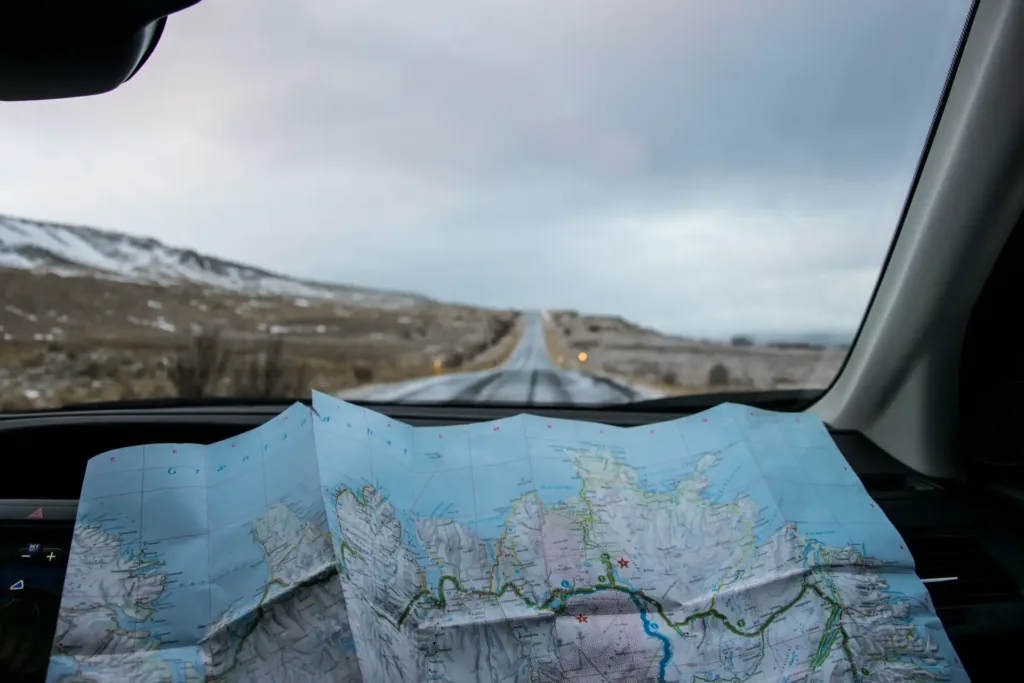
How Should You Manage Multi-Party Insurance Claims After an Incident?
Urban collisions rarely involve simple, two-car scenarios. Multiple passenger cars, rideshare drivers, and commercial delivery fleets often share blame in multi-vehicle pileups. Determining who pays requires untangling competing insurance policies with vastly different liability limits.
Always demand a formal police crash report from responding patrol officers. Insurance companies scrutinize municipal police reports to establish official timelines, driver statements, and preliminary fault determinations. Keeping the investigating officer’s badge number and incident report code lets you track the official case file.
Traveling through historic city streets offers memorable cultural sights, but dense traffic networks demand sharp defensive awareness. Proactive roadway protocols and legal knowledge keep minor travel mishaps from becoming permanent financial burdens.