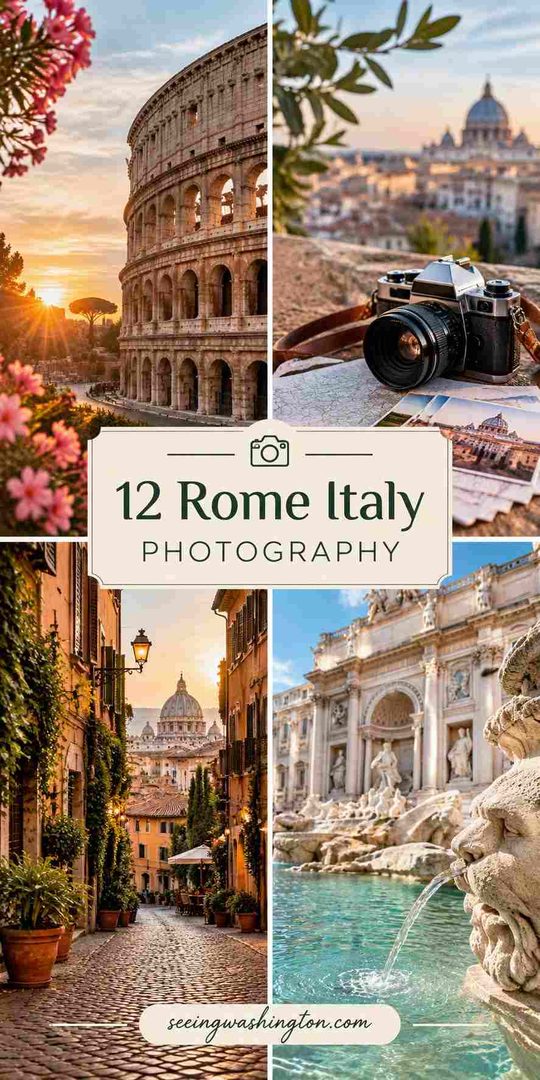
12 Rome Italy Photography: Iconic Spots for Beautiful Photos
There is a funny thing about photographing Rome: you can spend an hour looking for the perfect landmark shot and then fall in love with a photograph of a tiny street corner instead. A sunlit doorway, an old scooter, a café table, or a weathered wall can suddenly look like a scene from a movie. That is the real magic of rome italy photography.
The city gives you famous subjects, but it also rewards you for slowing down and noticing what everyone else walks past. You do not need professional equipment to enjoy it. The trick is knowing when to chase the big views and when to turn your attention toward the smaller details.
1. Trastevere Street Corners
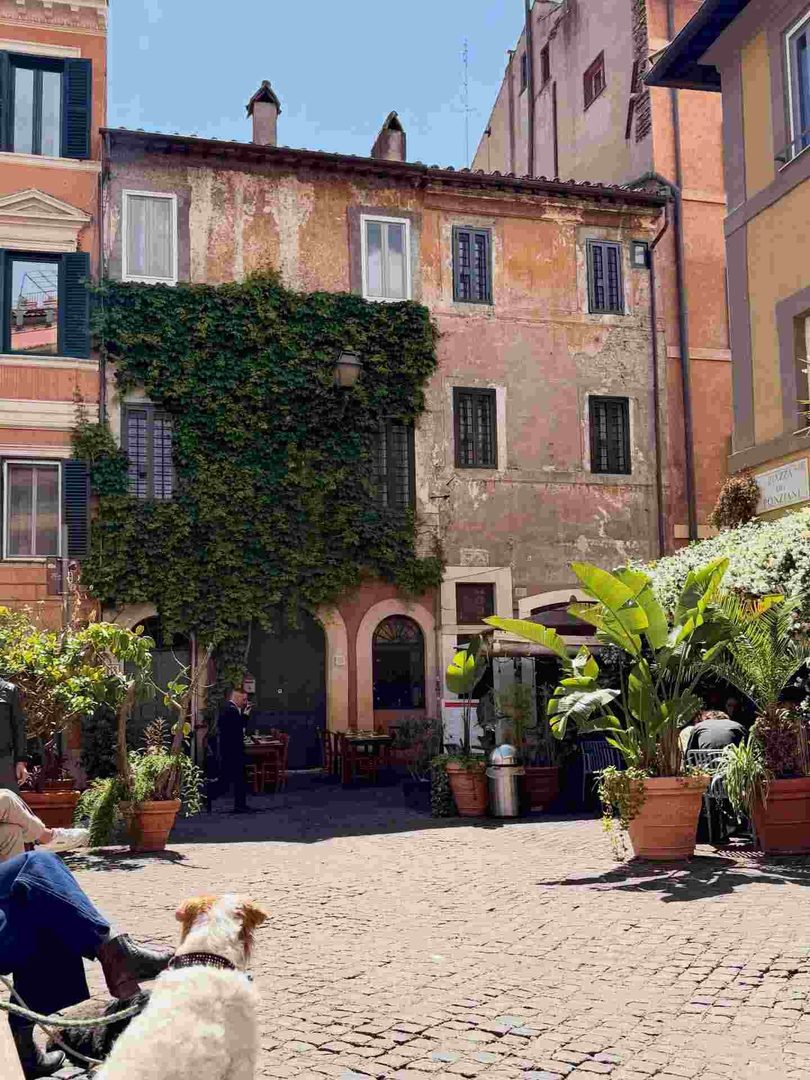
Trastevere is full of small details that make wonderful photographs. Look for colorful shutters, weathered walls, hanging plants, and narrow corners where the buildings create interesting layers. Early morning gives the streets a quieter feeling and softer light. For rome italy photography, these everyday details can feel more authentic than simply photographing famous landmarks from the usual viewpoint.
2. Spanish Steps Details
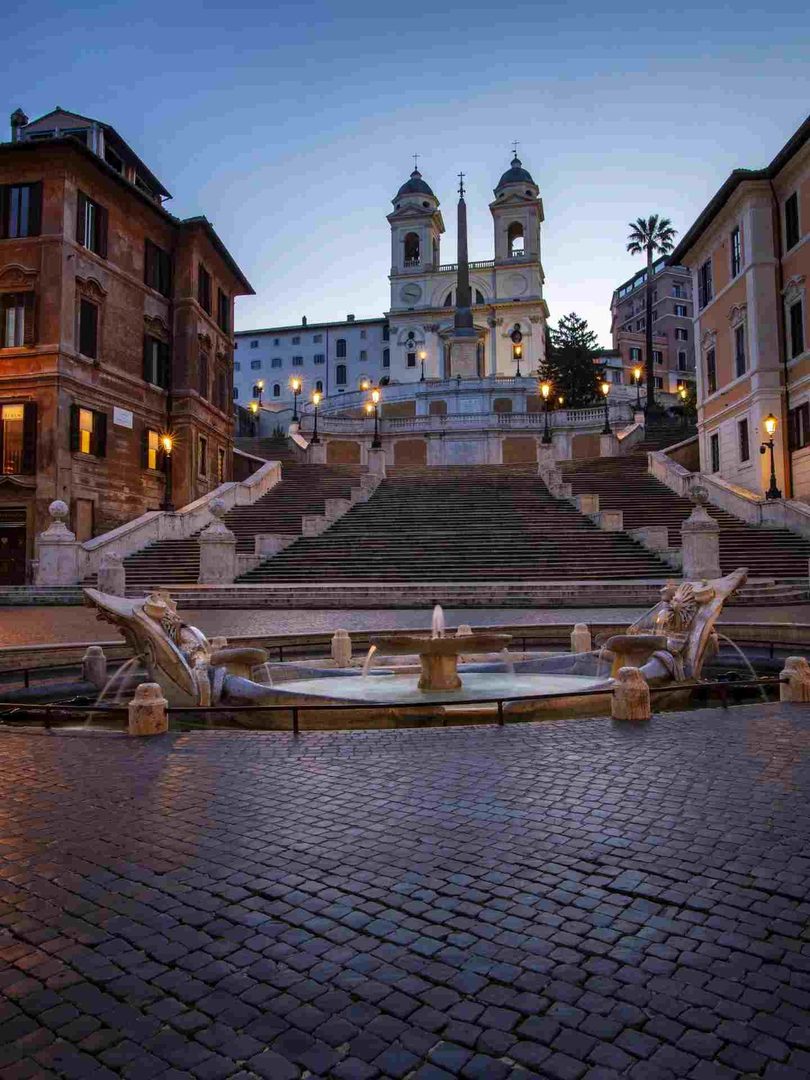
Instead of photographing the Spanish Steps from far away, focus on the smaller details around them. Capture the sweeping curves, stone textures, nearby balconies, or people moving naturally through the space. Morning light can create beautiful shadows across the steps. A close composition can make your rome italy photography feel more artistic while still clearly showing where you are.
3. Trevi Fountain Closeups
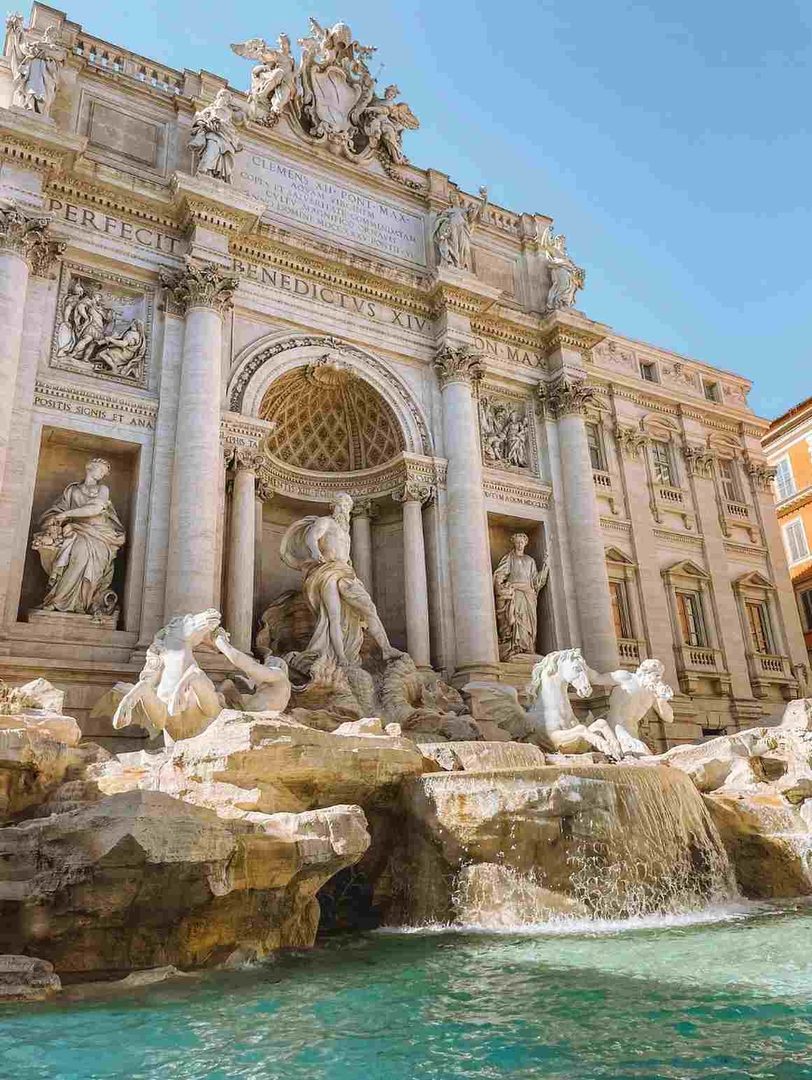
The Trevi Fountain offers plenty of opportunities beyond the classic full view. Zoom in on carved figures, flowing water, weathered stone, and small architectural details. Try photographing the fountain from different angles rather than standing directly in front of it. Reflections in the water can add another layer to the frame. These closeups bring a more intimate feeling to your collection.
4. Vatican Dome Perspectives
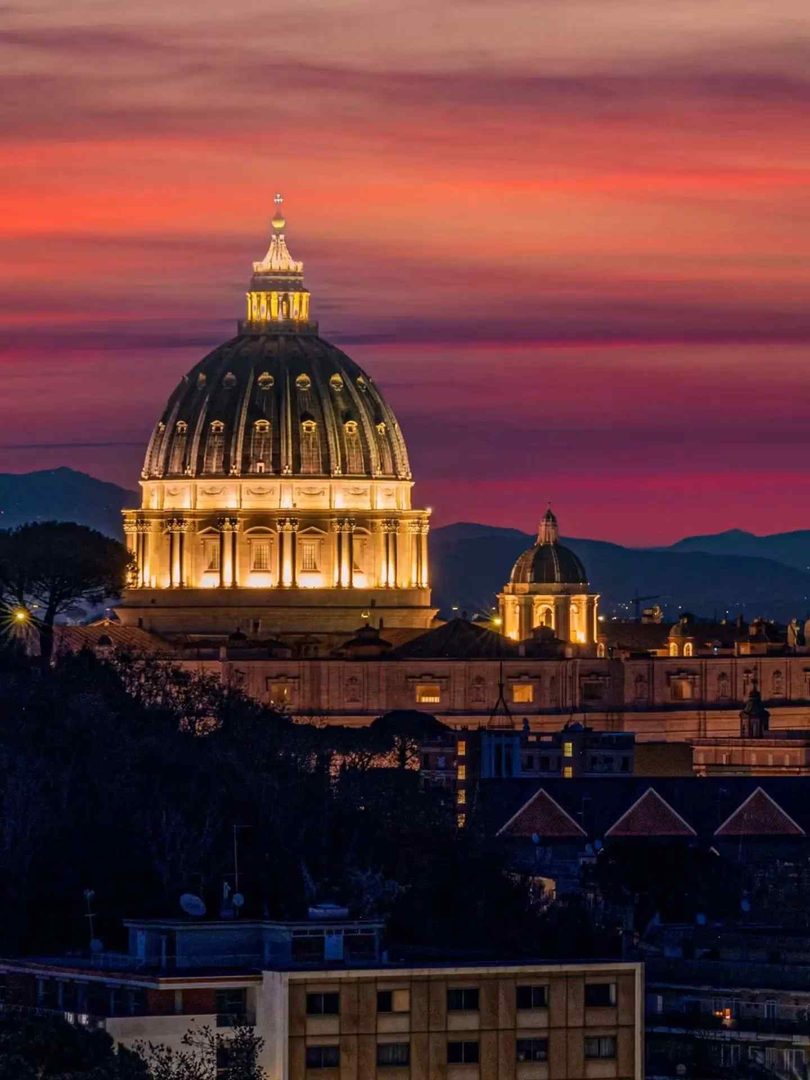
The dome of St. Peter’s Basilica can look completely different depending on your viewpoint. Frame it between nearby buildings, photograph it from a distant street, or use surrounding architecture to create a natural border. Late afternoon light can emphasize the dome’s curves and details. This approach gives rome italy photography a sense of depth instead of relying on one predictable landmark shot.
5. Roman Forum Framing
The Roman Forum becomes more interesting when you photograph it through arches, columns, or gaps between ancient structures. Look for compositions where one ruined building leads your eye toward another. Warm sunlight can highlight the old stone beautifully. I’d also try a lower viewpoint to make the remaining columns feel more dramatic. It’s a great place to experiment with layered architectural photography.
6. Piazza Navona Details
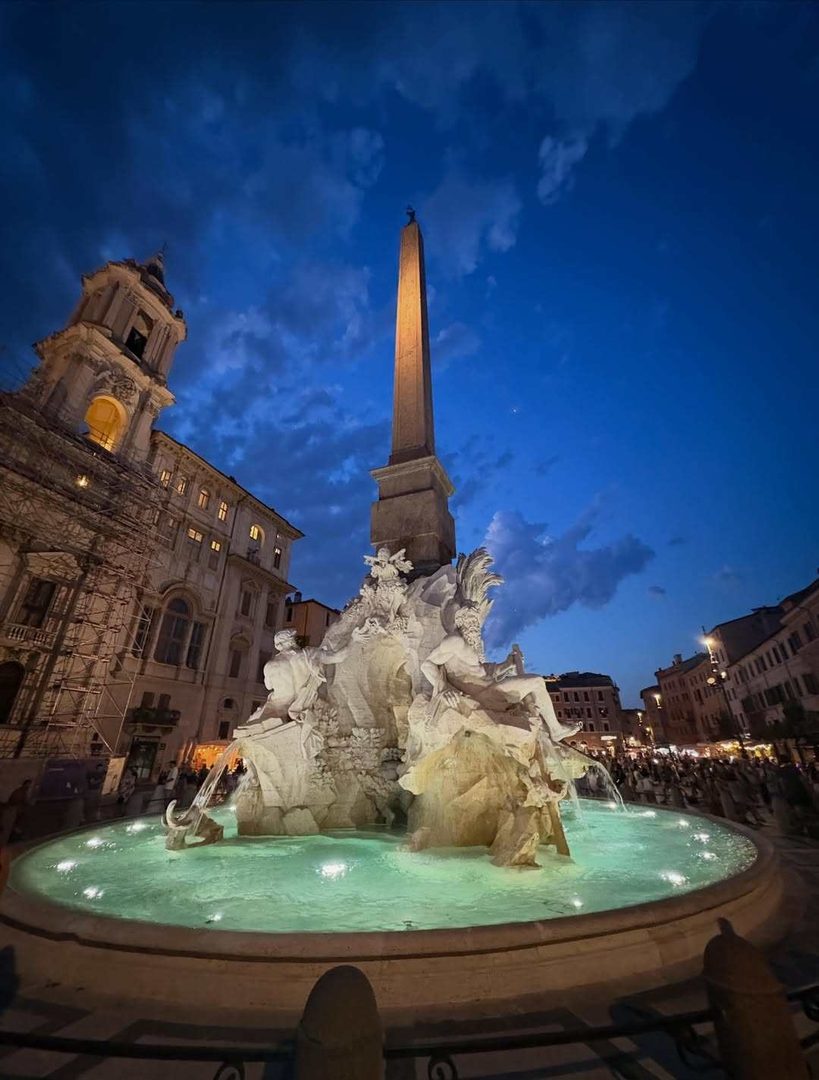
Piazza Navona is packed with photographic details, from fountains and statues to colorful façades and balconies. Rather than capturing the entire square every time, move closer and isolate interesting textures or architectural shapes. The changing light throughout the day can completely alter the mood. For rome italy photography, small details here can give your photos a more personal and less touristy appearance.
7. Orange Garden Views
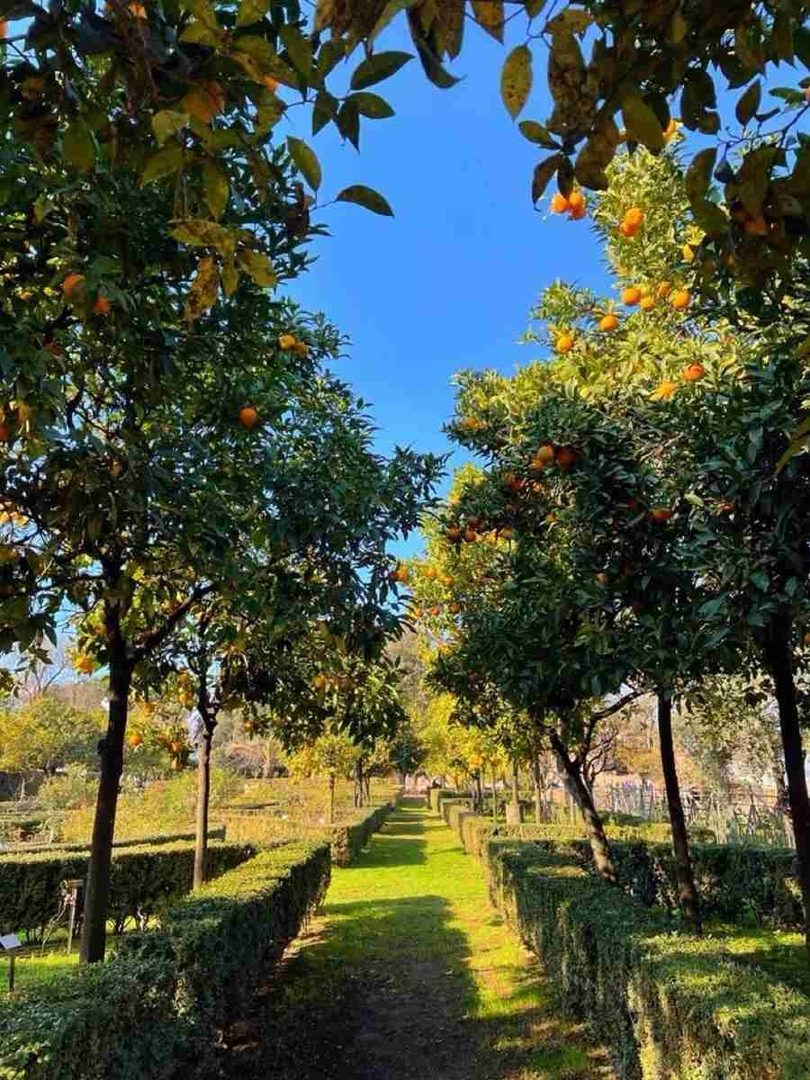
The Orange Garden offers a beautiful elevated view toward Rome. Capture the city through the garden’s trees, gates, or pathways instead of photographing the skyline alone. The warm colors of sunset can make the distant rooftops especially atmospheric. Try including a little foreground detail to create depth. This is one of those locations where a wider composition can really show the scale of Rome.
8. Villa Borghese Pathways
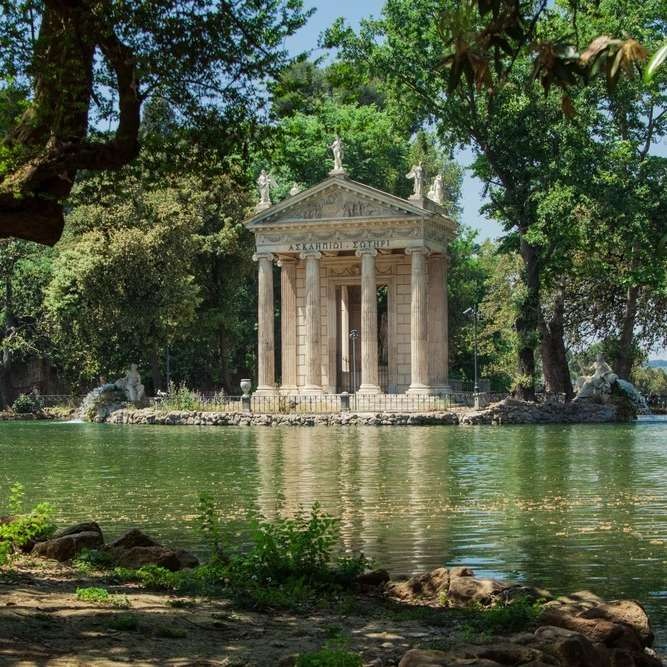
Villa Borghese gives you a break from the dense architecture of central Rome. Photograph tree-lined paths, old stone features, quiet benches, and patches of sunlight between the branches. Early morning can make the park feel particularly peaceful. You can also use the winding paths as leading lines. This rome italy photography idea works well when you want a softer, more natural side of the city.
9. Ancient Doorway Details
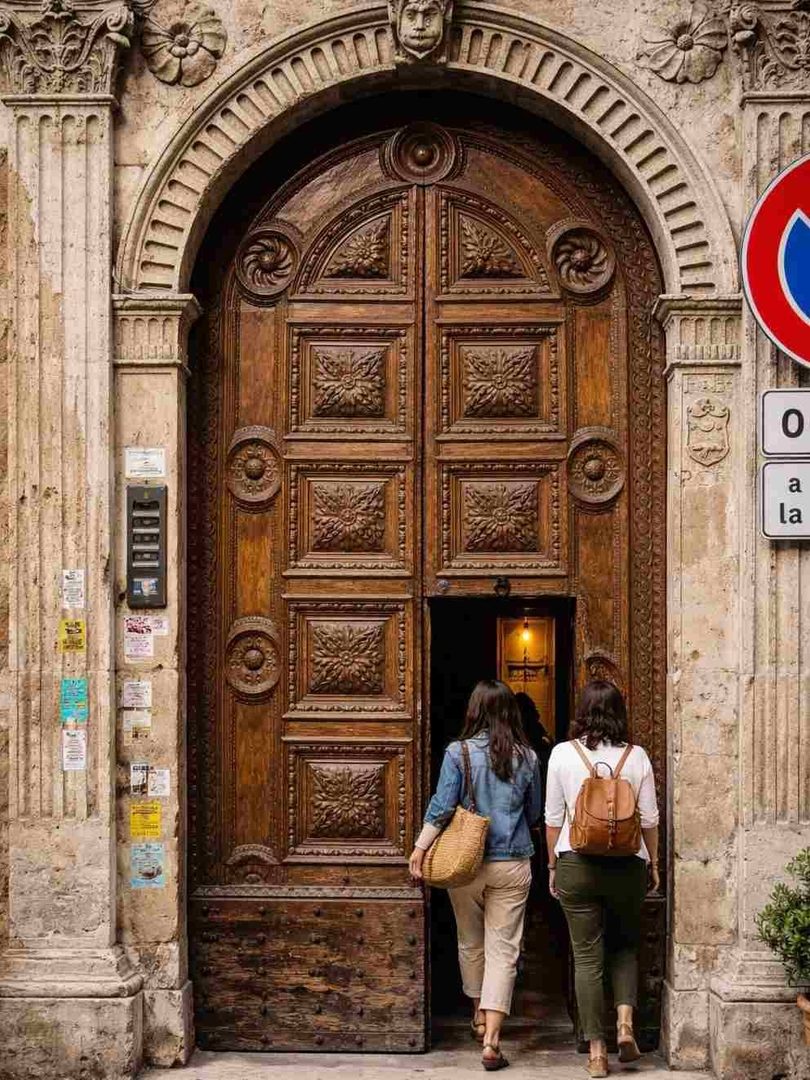
Old doorways are easy to overlook while walking through Rome, but they can make beautiful standalone photographs. Look for carved frames, brass knockers, faded paint, stone arches, and unusual handles. Try filling most of the frame with the doorway itself rather than showing the entire building. These small architectural discoveries can add character and variety to a Rome photography collection.
10. Rome Vespa Streets
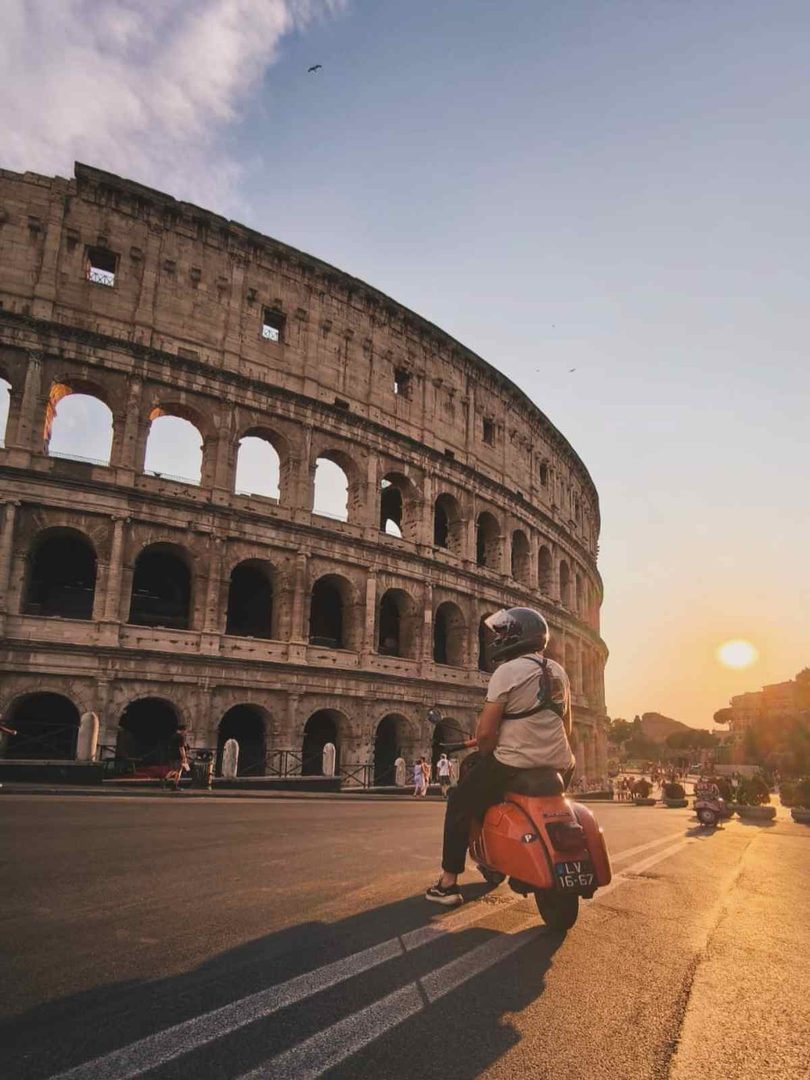
A Vespa parked beside an old building instantly adds an unmistakably Italian touch to a street photograph. Look for colorful scooters against textured walls, narrow lanes, or traditional storefronts. Wait for natural movement if you want people or passing traffic in the background. Combining these everyday details with classic architecture can make rome italy photography feel lively rather than staged.
11. Italian Café Scenes
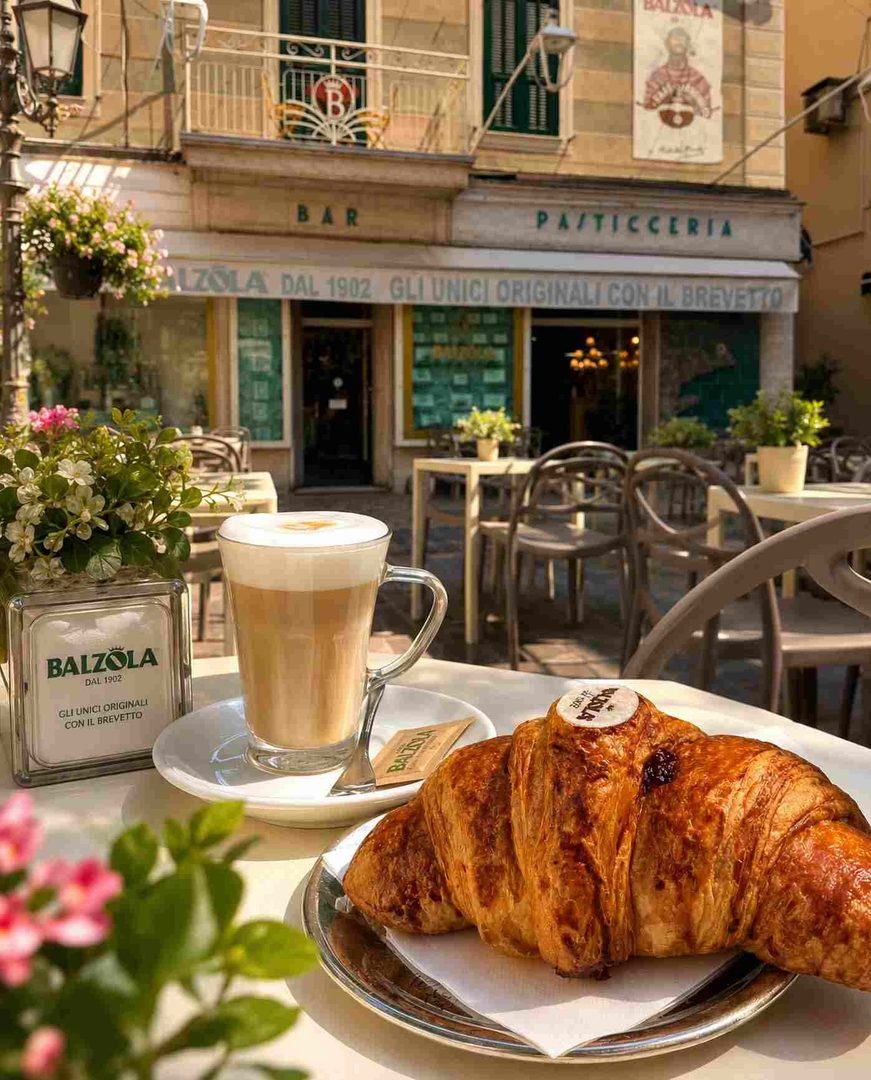
Outdoor cafés offer plenty of opportunities for relaxed street photography. Focus on small moments such as espresso cups, outdoor tables, handwritten menus, or people chatting beneath umbrellas. Morning and late afternoon often provide softer light. I’d avoid making every frame too perfect and leave some natural movement in the scene. That casual approach can make your photos feel more like memories than posed shots.
12. Trastevere Evening Streets
When evening arrives, Trastevere takes on a completely different atmosphere. Warm lights spill from restaurants and homes while narrow streets become filled with people. Try capturing glowing doorways, illuminated balconies, and reflections on slightly polished stone streets. A little grain or lower-light texture can add mood. For rome italy photography, these evening scenes offer a romantic ending to a day of exploring the city.
Final Thoughts
Rome gives you almost endless photographic possibilities, from monumental architecture and dramatic interiors to tiny doors, and ordinary moments. The key is to give yourself permission to photograph more than the obvious attractions.
With rome italy photography, the most rewarding approach is often simple, change your viewpoint, and let the city surprise you. And if your favorite photograph from Rome ends up being a random doorway you almost walked past, do not be surprised.